Love this? Save it for later!
Share the inspiration with your friends
The dough yields under your thumb like a warm pillow, soft and impossibly tender, and that is the whole point. You know how most breads fight back? They resist the squeeze, offering a crusty defiance or a dense, chewy resistance. Not this one. The moment you touch a warm loaf of Soft Pan de Muerto with Orange Blossom Glaze, it surrenders completely. It feels less like baking and more like wrapping your hands around a memory. I remember the first time I tried to make this at home, standing in my kitchen with flour dusting my nose, trying to coax life into a ball of dough that refused to rise. It felt heavy, stubborn, almost rude. But after a few hours of patience, that same dough puffed up, fragrant with anise and orange, and I realized I wasn’t just making bread. I was making something that holds space.
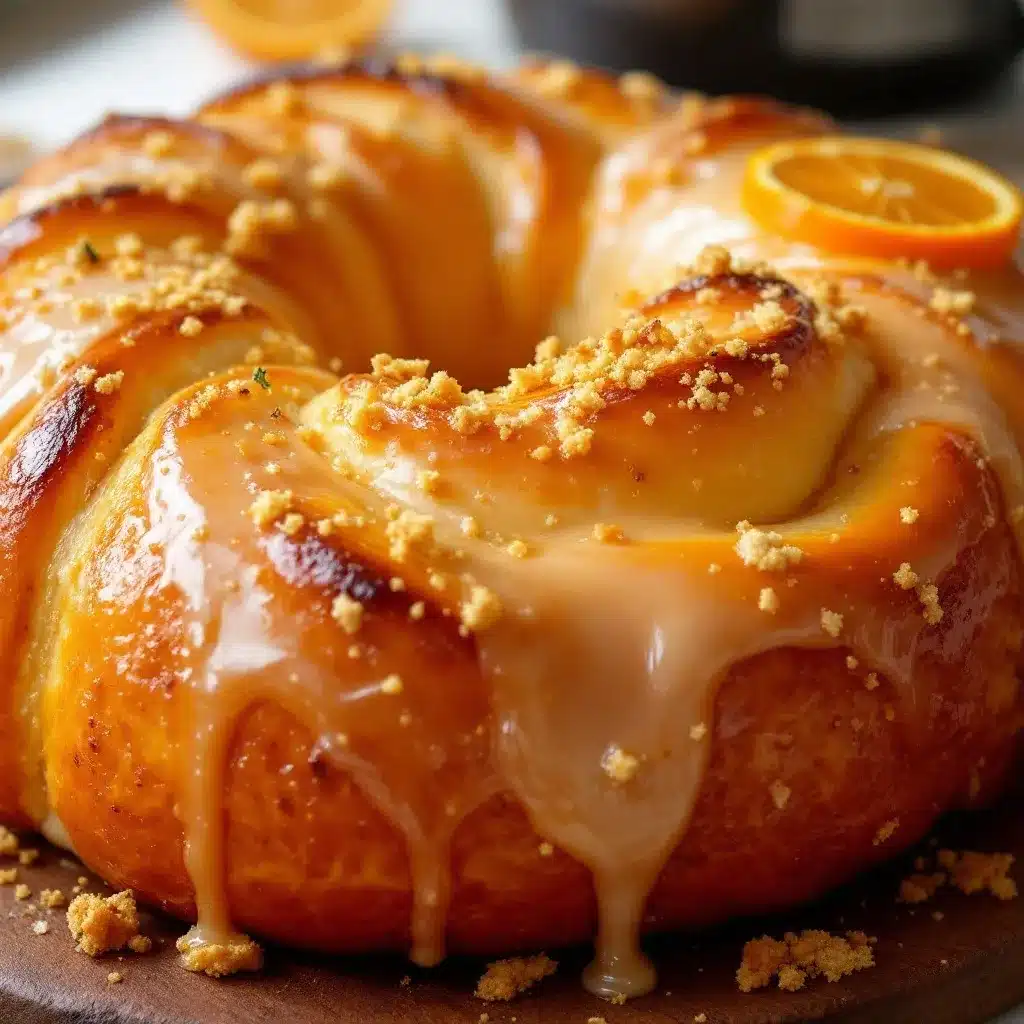
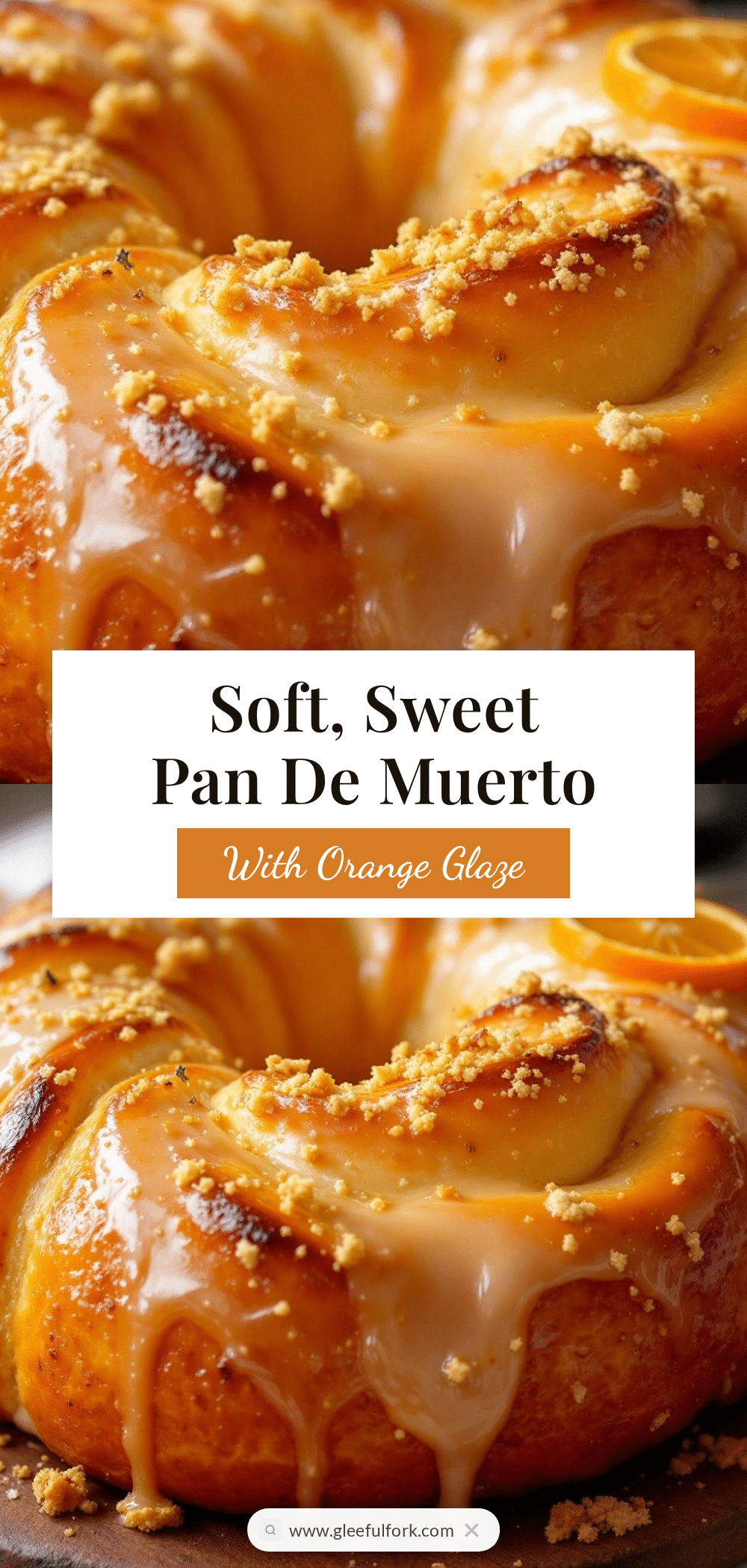
There is a specific weight to this bread. It sits in your palm with a gentle heaviness, promising comfort before you even take a bite. The texture is the star here, really. It’s not about crunch or crust; it’s about that pillowy, cloud-like interior that melts on your tongue. When you pull the “bones” off the top, the strands stretch just enough to show you the air pockets inside—tiny, perfect bubbles that trap the scent of citrus and spice. Honestly, it’s the kind of bread that makes you pause mid-chew, looking at your hands like you’ve pulled off a magic trick. You know, people often talk about flavor first, but with this recipe, the texture is what sticks with you. It’s the difference between a dry crumb and a moist, yielding crumb that clings gently to your lips.
I spent years buying the dried-out, store-bought versions from the Mexican grocery store, wondering why they always tasted like cardboard soaked in sugar. It wasn’t until I started focusing on the hydration of the dough and the warmth of the yeast that everything changed. The key is letting the dough breathe, letting it rest without rushing it. When you finally pull that loaf out of the oven, the surface should look matte and soft, not shiny or hard. That matte finish is your signal that the inside is going to be tender. I still remember bringing a batch to a gathering, and the way everyone reached for the bread before the main dish. It wasn’t just food; it was an invitation to slow down. There’s a quiet pride in holding a loaf that feels so alive, so soft, and knowing you made it happen with your own two hands.
Why You’ll Love This Recipe
This isn’t just another bread recipe you’ll find buried in a cookbook from the nineties. This Soft Pan de Muerto with Orange Blossom Glaze is the result of dozens of test batches, failed rises, and one very sticky kitchen floor. I’ve refined this method to ensure that even if you’ve never kneaded dough in your life, you can pull off a bakery-quality loaf. The secret lies in balancing the richness of the butter and eggs with the aromatic punch of anise and orange zest. It’s a flavor profile that feels familiar yet sophisticated, hitting that sweet spot between a brioche and a traditional sweet bread.
- Quick & Easy : While it requires rising time, the active hands-on work is minimal. You spend more time waiting than doing, which is perfect for busy weeknights or lazy weekends when you want to feel productive without the stress.
- Simple Ingredients : No fancy flours or hard-to-find spices. You likely already have yeast, flour, butter, and eggs in your pantry. The orange blossom water is the only specialty item, and it’s worth the trip.
- Perfect for Celebrations : Whether it’s Día de los Muertos, a holiday breakfast, or just a Tuesday that needs cheering up, this bread fits any occasion. It brings a festive spirit without being overly complicated.
- Crowd-Pleaser : Kids love the sweet, soft texture, and adults appreciate the subtle anise and citrus notes. It’s a safe bet for potlucks and a showstopper for family dinners.
- Unbelievably Delicious : The combination of the tender crumb and the fragrant glaze creates a sensory experience that is pure comfort. It’s next-level sweet bread that feels luxurious.
What makes this recipe different is the glaze. Many traditional recipes skip the glaze or use a simple sugar dusting, but adding an orange blossom glaze elevates the aroma and adds a moist finish that keeps the bread soft for days. It’s not just good—it’s the kind of bread that makes you close your eyes after the first bite. It’s comfort food reimagined—faster than sourdough, softer than baguettes, but with the same soul-soothing satisfaction. Perfect for impressing guests without stress, or turning a simple meal into something memorable.
What Ingredients You Will Need
This recipe relies on a handful of wholesome, accessible ingredients to deliver bold flavor and satisfying texture without the fuss. The beauty of Soft Pan de Muerto with Orange Blossom Glaze is that it uses pantry staples you probably already have. The magic happens in the ratios and the technique, not in obscure ingredients. We are aiming for a rich, enriched dough, similar to brioche but with distinct cultural spices.
- All-Purpose Flour : 3 to 3.5 cups (360-420g). I recommend King Arthur Brand for its consistent protein content, which helps the bread rise evenly without becoming too tough.
- Active Dry Yeast : 2 packets (about 4.5 tsp or 14g). If you can find instant yeast, it works too, but active dry needs that initial proofing step to ensure it’s alive.
- Whole Milk : 1 cup (240ml). Room temperature is crucial here. Cold milk will kill the yeast, so let it sit out for a bit.
- Unsalted Butter : 1/2 cup (115g), softened. This adds the richness and tenderness. Salted butter can be used, but reduce the added salt in the recipe.
- Large Eggs : 2 large eggs, room temperature. These provide structure and color. One egg is for the dough, one is for the egg wash.
- Granulated Sugar : 1/3 cup (65g). This feeds the yeast and adds sweetness. Don’t reduce this too much, or the rise will suffer.
- Anise Seeds : 1 teaspoon, lightly crushed. This is the traditional flavor backbone. Crushing them releases the essential oils.
- Orange Zest : From 1 large orange. Fresh zest is non-negotiable. Bottled zest lacks the volatile oils that make the bread smell incredible.
- Orange Blossom Water : 1-2 tablespoons. This is the star of the glaze and adds a floral note that defines the bread’s character. Do not use orange extract; it’s too artificial.
- Confectioners’ Sugar : 1 cup (120g) for the glaze. Sifted to avoid lumps.
- Pinch of Salt : 1/2 teaspoon. Balances the sweetness and strengthens the gluten.
If you are dairy-free, you can swap the milk for oat milk and the butter for a high-quality plant-based butter, though the texture will be slightly less rich. For a gluten-free option, use a 1:1 gluten-free flour blend with xanthan gum, but expect a denser crumb. The anise seeds can be substituted with fennel seeds if you prefer a milder licorice flavor, but anise is traditional for a reason.
Equipment Needed
You don’t need a fancy kitchen to make this bread. A large mixing bowl is essential—I prefer a glass or ceramic bowl because you can see the dough expanding clearly. A wooden spoon or a sturdy silicone spatula will help with the initial mixing. For kneading, a clean countertop or a large cutting board works best. If you have a stand mixer with a dough hook, it will save you about 10 minutes of arm work, but hand kneading gives you better feel for the dough’s texture.
A bench scraper is incredibly useful for managing sticky dough. It helps you fold the dough over itself without adding extra flour, which can dry out the bread. I learned the hard way that too much flour is the enemy of soft bread. For baking, a standard 9×5 inch loaf pan is perfect. If you want the traditional round shape with “bones,” you can skip the pan and shape the dough on a parchment-lined baking sheet. A pastry brush is needed for the egg wash and the glaze. Make sure your brush is clean and dry. Finally, a fine-mesh sieve is helpful for sifting the confectioners’ sugar for a smooth glaze.
Preparation Method
- Proof the Yeast (5 minutes) : In a small bowl, combine the warm milk, 1 tablespoon of sugar, and the yeast. Stir gently and let it sit for 5-10 minutes until it becomes foamy. If it doesn’t foam, your yeast is dead, and you need to start over. This step ensures your bread will rise.
- Mix the Dough (10 minutes) : In a large bowl, whisk together the flour, remaining sugar, salt, crushed anise seeds, and orange zest. Make a well in the center and pour in the yeast mixture, the egg, and the softened butter. Mix with a wooden spoon until a shaggy dough forms. It will look messy, and that’s okay.
- Knead the Dough (10-12 minutes) : Turn the dough onto a lightly floured surface. Knead by pushing the dough away from you with the heel of your hand, folding it back over, and turning it. Add flour sparingly—only if it’s sticking badly. The dough should be soft and slightly tacky, like a Post-it note, not sticky like glue. If using a stand mixer, use medium-low speed for 8 minutes.
- First Rise (1-2 hours) : Place the dough in a lightly oiled bowl, cover with plastic wrap or a damp towel, and let it rise in a warm spot until doubled in size. This usually takes 1.5 hours. Don’t rush this step; the flavor develops during the rise.
- Shape the Bread (15 minutes) : Punch down the dough gently to release air. Divide it into two equal pieces. Roll each piece into a long rope about 12 inches long. For the traditional look, place one rope horizontally and one vertically on a parchment-lined baking sheet. Create “bones” by rolling small pieces of dough into thin strands and placing them across the main ropes. Press the ends firmly into the base so they don’t fall off during baking.
- Second Rise (45-60 minutes) : Cover the shaped dough loosely and let it rise again until puffy. It doesn’t need to double, just look airy and expanded. Preheat your oven to 350°F (175°C) during the last 20 minutes of this rise.
- Bake (30-35 minutes) : Brush the top gently with the beaten egg wash. Bake for 30-35 minutes until the top is golden brown and the bread sounds hollow when tapped on the bottom. If the top browns too quickly, cover it with foil for the last 10 minutes.
- Make the Glaze (5 minutes) : While the bread bakes, whisk together the confectioners’ sugar and orange blossom water until smooth. Add more water drop by drop if it’s too thick. It should be pourable but not watery.
- Glaze and Cool (30 minutes) : As soon as the bread comes out of the oven, brush the warm glaze over the top. The heat helps the glaze soak in slightly. Let the bread cool on a wire rack for at least 30 minutes before slicing. This prevents the crumb from becoming gummy.
Cooking Tips & Techniques
The biggest mistake people make with enriched doughs is adding too much flour. It’s tempting to keep adding flour until the dough stops sticking to your hands, but this bread needs to be soft. A slightly sticky dough results in a lighter, airier crumb. If you must add flour, do it by the tablespoon. Another tip is to ensure your kitchen is warm. Yeast loves warmth. If your kitchen is cold, place the dough in the oven with the light turned on (but the oven off) to create a warm, draft-free environment.
When shaping the “bones,” make sure they are thick enough to hold their shape but thin enough to bake through. If they are too thick, they might remain doughy in the center. Press them firmly into the base dough so they adhere properly. Also, don’t skip the egg wash. It gives the bread that beautiful, professional golden sheen. For the glaze, apply it while the bread is still warm, not hot. Hot bread will melt the glaze entirely, and cold bread won’t absorb it properly. Warm is the sweet spot.
I once overproofed a batch of this bread, and it collapsed in the oven. It tasted fine, but the texture was dense. To avoid this, watch the dough, not the clock. If it looks puffy and jiggly, it’s ready. If it looks flat and spreads out, it’s overproofed. Trust your eyes. Multitasking is key here. While the dough rises, you can prep the glaze ingredients or clean your workspace. This makes the process feel less like a chore and more like a rhythm.
Variations & Adaptations
This recipe is quite forgiving, allowing for several fun variations. For a citrus twist, swap the orange zest for lemon zest and use lemon juice instead of orange blossom water in the glaze. It creates a brighter, sharper flavor profile. If you want a more traditional taste, add a splash of anise liqueur, like Sambuca, to the dough. Just reduce the milk slightly to account for the liquid. For a chocolate lover’s version, fold in 1/2 cup of dark chocolate chips during the last minute of kneading. The chocolate melts slightly into the crumb, creating pockets of richness.
For a healthier option, you can substitute half of the all-purpose flour with whole wheat flour. This adds a nutty flavor and more fiber, though the bread will be denser. If you are avoiding dairy, use coconut oil instead of butter and almond milk instead of cow’s milk. The texture will be slightly different, but the flavor remains delightful. I also like to add a pinch of nutmeg or cinnamon to the dough for a winter spice variation. It pairs beautifully with the orange and anise, making it perfect for the holidays.
Serving & Storage Suggestions
This bread is best served warm, sliced thick. It pairs wonderfully with a cup of hot chocolate or coffee. For a festive presentation, serve it on a wooden board with fresh fruit and cheese. The orange blossom glaze makes it feel elegant enough for a dinner party. As for storage, wrap the cooled bread tightly in plastic wrap and then in aluminum foil. It can be stored at room temperature for up to 3 days. For longer storage, freeze it. Slice the bread before freezing so you can thaw individual portions. To reheat, wrap a slice in foil and warm it in a 300°F oven for 10 minutes, or microwave it for 20 seconds. The flavors actually meld and deepen after a day, making it even better on day two.
Nutritional Information & Benefits
Each slice of Soft Pan de Muerto with Orange Blossom Glaze contains approximately 220 calories, with 6g of protein and 4g of fat. It is a source of carbohydrates for energy and contains small amounts of iron and calcium from the flour and milk. The orange zest provides vitamin C, and the anise seeds have digestive properties. While it is a sweet bread, using whole milk and butter adds satiety, helping you enjoy a smaller portion. It is not gluten-free or dairy-free by default, but substitutions can be made. Personally, I view this as a treat to be shared and enjoyed mindfully, rather than a daily staple. It brings joy, which is a benefit in itself.
Conclusion
Making Soft Pan de Muerto with Orange Blossom Glaze is an act of love, both for yourself and those you share it with. The process is meditative, and the result is deeply satisfying. I hope you try this recipe and find your own moments of peace in the kitchen. Don’t be afraid to experiment with the glaze or the spices. Make it yours. If you do, please come back and leave a comment. I love hearing how your baking turned out and seeing your photos. Share this recipe with a friend who loves baking, or tag me on social media. Happy baking, and may your bread always be soft.
FAQs
Can I make this bread ahead of time?
Yes, you can shape the dough and let it do its second rise in the fridge overnight. When you’re ready to bake, let it sit at room temperature for an hour to warm up, then bake as directed. This can actually improve the flavor.
Why did my bread not rise?
This usually happens if the yeast was dead or the milk was too hot. Always proof your yeast first to ensure it’s active. Also, check that your milk wasn’t above 110°F, as high heat kills yeast.
Can I use instant yeast instead of active dry?
Yes, you can. You can mix it directly with the flour without proofing it in milk first. The rise time might be slightly faster, so keep an eye on the dough.
How do I store the glaze?
Glaze is best made fresh. If you have leftover glaze, store it in an airtight container in the fridge for up to 2 days. Re-whisk it before using, as it may separate.
Is orange blossom water the same as orange extract?
No, they are very different. Orange blossom water is a floral, delicate essence, while orange extract is stronger and more artificial. Using extract will make the bread taste like candy. Stick to authentic orange blossom water for the best result.
Pin This Recipe!
Soft Pan de Muerto: Best Easy Homemade Recipe

A soft, pillowy homemade Pan de Muerto with an aromatic orange blossom glaze. This enriched bread features a tender crumb infused with anise and orange zest, perfect for celebrations or comforting breakfasts.
- Prep Time: 45 minutes
- Cook Time: 30-35 minutes
- Total Time: 3 hours 15 minutes
- Yield: 2 loaves 1x
- Category: Bread
- Cuisine: Mexican
Ingredients
- 3 to 3.5 cups (360-420g) All-Purpose Flour
- 2 packets (about 4.5 tsp or 14g) Active Dry Yeast
- 1 cup (240ml) Whole Milk, room temperature
- 1/2 cup (115g) Unsalted Butter, softened
- 2 Large Eggs, room temperature (1 for dough, 1 for wash)
- 1/3 cup (65g) Granulated Sugar
- 1 teaspoon Anise Seeds, lightly crushed
- Orange Zest from 1 large orange
- 1–2 tablespoons Orange Blossom Water
- 1 cup (120g) Confectioners’ Sugar, sifted
- 1/2 teaspoon Salt
Instructions
- Proof the yeast: In a small bowl, combine warm milk, 1 tablespoon of sugar, and yeast. Let sit for 5-10 minutes until foamy.
- Mix the dough: In a large bowl, whisk flour, remaining sugar, salt, crushed anise seeds, and orange zest. Add yeast mixture, 1 egg, and softened butter. Mix until a shaggy dough forms.
- Knead the dough: Turn onto a lightly floured surface and knead for 10-12 minutes until soft and slightly tacky. Alternatively, use a stand mixer on medium-low for 8 minutes.
- First rise: Place dough in an oiled bowl, cover, and let rise in a warm spot for 1-2 hours until doubled in size.
- Shape the bread: Punch down dough and divide into two equal pieces. Roll into 12-inch ropes. Arrange in a cross shape on a parchment-lined sheet. Create ‘bones’ by rolling small dough strands and pressing them onto the main ropes.
- Second rise: Cover shaped dough and let rise for 45-60 minutes until puffy. Preheat oven to 350°F (175°C) during the last 20 minutes.
- Bake: Brush top with beaten egg wash. Bake for 30-35 minutes until golden brown and hollow when tapped. Cover with foil if browning too quickly.
- Make the glaze: While baking, whisk confectioners’ sugar and orange blossom water until smooth and pourable.
- Glaze and cool: Brush warm glaze over the hot bread immediately after removing from oven. Cool on a wire rack for at least 30 minutes before slicing.
Notes
Ensure milk is room temperature to activate yeast without killing it. Do not add too much flour during kneading; the dough should be soft and slightly tacky. For dairy-free options, substitute milk with oat milk and butter with plant-based butter. For gluten-free, use a 1:1 gluten-free flour blend. The glaze should be applied while the bread is warm, not hot or cold.
Nutrition
- Serving Size: 1 slice
- Calories: 220
- Sugar: 12
- Sodium: 150
- Fat: 4
- Saturated Fat: 2
- Carbohydrates: 35
- Fiber: 1
- Protein: 6
Keywords: Pan de Muerto, Mexican bread, orange blossom glaze, anise bread, holiday baking, soft bread, homemade bread, Día de los Muertos