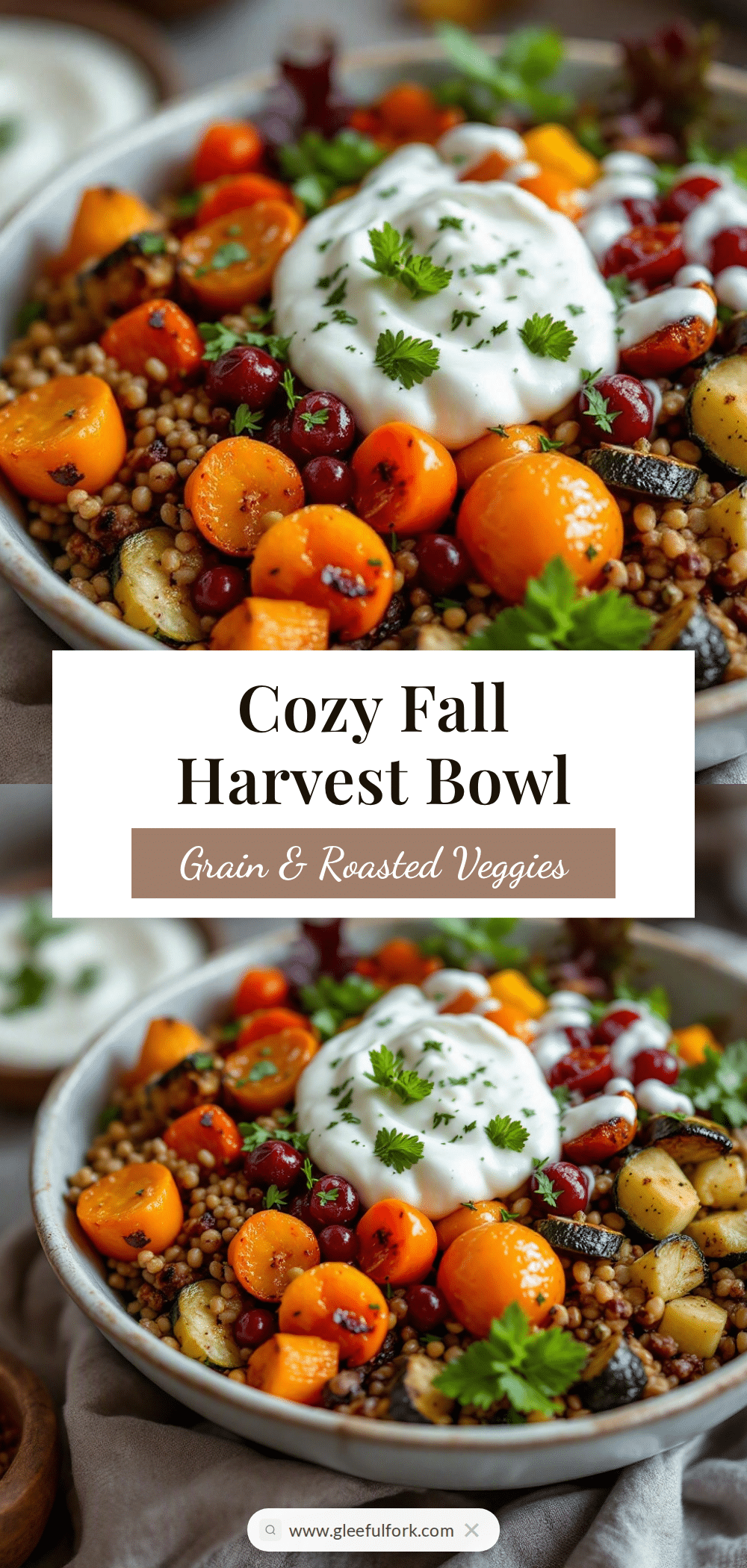
Love this? Save it for later!
Share the inspiration with your friends
For a while, I just accepted that grain bowls were something you order at a trendy café for fifteen dollars and then feel vaguely disappointed by the portion size. They always looked so beautiful in the photos—those perfect rows of colorful vegetables, the glossy drizzle of dressing, the scattered seeds—but mine at home never quite measured up. Either the grains were mushy or the vegetables turned out limp, and somehow the whole thing felt like a sad desk lunch instead of the cozy, satisfying meal I was chasing.
It wasn’t until a chilly October afternoon, when I had a fridge full of root vegetables and a stubborn craving for something warm and nourishing, that I stopped trying to replicate the café version. I roasted everything on one sheet pan (because honestly, who wants to wash extra dishes?), tossed the grains in a simple maple-tahini dressing while they were still warm, and piled it all into a bowl that felt less like a salad and more like a hug. That was the moment this cozy fall harvest grain bowl with roasted vegetables became my go-to for those crisp, golden afternoons when you just want to eat something that tastes like the season.
The trick, I learned, is not to overthink it. The vegetables get sweet and caramelized in the oven, the grains soak up all that nutty dressing, and every forkful has a little bit of crunch, a little bit of creaminess, and a whole lot of comfort. This isn’t one of those recipes that requires a special trip to three different stores. It’s the kind of meal that makes you wonder why you ever paid someone else to make it.
Why You’ll Love This Recipe
I have tested this cozy fall harvest grain bowl with roasted vegetables more times than I can count, adjusting the roasting times, swapping grains, and tweaking the dressing until it hit that perfect balance of savory, sweet, and tangy. Here is why I keep coming back to it—and why I think you will too.
- Simple Ingredients, Big Flavor: Everything on the ingredient list is something you can find at any grocery store. No obscure spices or hard-to-find specialty items. Just honest, seasonal produce and pantry staples that come together to taste like so much more than the sum of their parts.
- Perfect for Meal Prep: This bowl actually gets better as the flavors meld together. Roast a big batch of vegetables on Sunday, cook a pot of farro or wild rice, and you have the foundation for several days of satisfying lunches that don’t get soggy or sad.
- Crowd-Pleasing Flexibility: I have served this at a casual weeknight dinner and also brought it to a Friendsgiving potluck where it disappeared before the mac and cheese. Everyone from my vegetable-skeptical nephew to my paleo-obsessed cousin has gone back for seconds.
- Naturally Wholesome: This bowl is packed with fiber, vitamins, and healthy fats without trying too hard. It fills you up without weighing you down, which is exactly what I want on a busy fall day.
- That Dressing, Though: The maple-tahini dressing is the kind of thing you will want to put on everything. It is creamy, slightly sweet, and just a little bit savory, with a consistency that clings to every grain and vegetable perfectly.
What Ingredients You Will Need
This cozy fall harvest grain bowl with roasted vegetables relies on a handful of seasonal ingredients that work together to create layers of texture and flavor. Most of these are things you might already have in your kitchen, especially if you tend to stock up on fall produce.
For the Roasted Vegetables:
- 1 medium butternut squash, peeled and cubed into ½-inch pieces (look for one that feels heavy for its size—it will be sweeter)
- 2 medium sweet potatoes, cubed (I prefer the orange-fleshed variety for their natural sweetness)
- 1 red onion, cut into wedges (the sweetness intensifies as it roasts)
- 2 tablespoons olive oil
- 1 teaspoon smoked paprika
- ½ teaspoon ground cumin
- Salt and black pepper to taste
For the Grains:
- 1 cup farro (or wild rice, or brown rice—use what you love)
- 2 cups vegetable broth or water (broth adds more flavor)
- Pinch of salt
For the Maple-Tahini Dressing:
- ¼ cup tahini (stir it well before measuring—the oil separates)
- 2 tablespoons maple syrup (use the real stuff, not pancake syrup)
- 2 tablespoons lemon juice (freshly squeezed makes a difference)
- 1 small garlic clove, minced
- 3 to 4 tablespoons warm water (to thin it to your preferred consistency)
- Salt to taste
For the Toppings:
- ¼ cup toasted pepitas (pumpkin seeds)
- ¼ cup dried cranberries or chopped dried apricots
- 2 ounces crumbled feta cheese (optional, but highly recommended)
- A handful of fresh parsley or cilantro, roughly chopped
If you want to keep this vegan, simply skip the feta or swap it for a sprinkle of nutritional yeast. The roasted vegetables and tahini dressing are already plant-based, so this is an easy adaptation.
Equipment Needed
You do not need anything fancy to pull off this cozy fall harvest grain bowl with roasted vegetables. A few basic tools will get the job done beautifully.
- Large sheet pan: A half-sheet pan (about 18 by 13 inches) is ideal for spreading the vegetables in a single layer so they roast instead of steam. If you crowd them, they will get soggy.
- Medium saucepan: For cooking the farro or whatever grain you choose. A pot with a tight-fitting lid helps the grains cook evenly.
- Chef’s knife and cutting board: A sharp knife makes quick work of cubing squash and sweet potatoes. I learned the hard way that a dull knife is a recipe for frustration (and occasionally, a bandage).
- Mixing bowls: One for tossing the vegetables with oil and spices, and another for whisking the dressing.
- Whisk or small jar: For emulsifying the dressing. A jar with a tight lid works great—just shake it vigorously.
If you do not have a sheet pan, you can use a large baking dish, though the vegetables might take a few extra minutes to brown. And if farro is not in your pantry, quinoa or barley work beautifully too.
Preparation Method
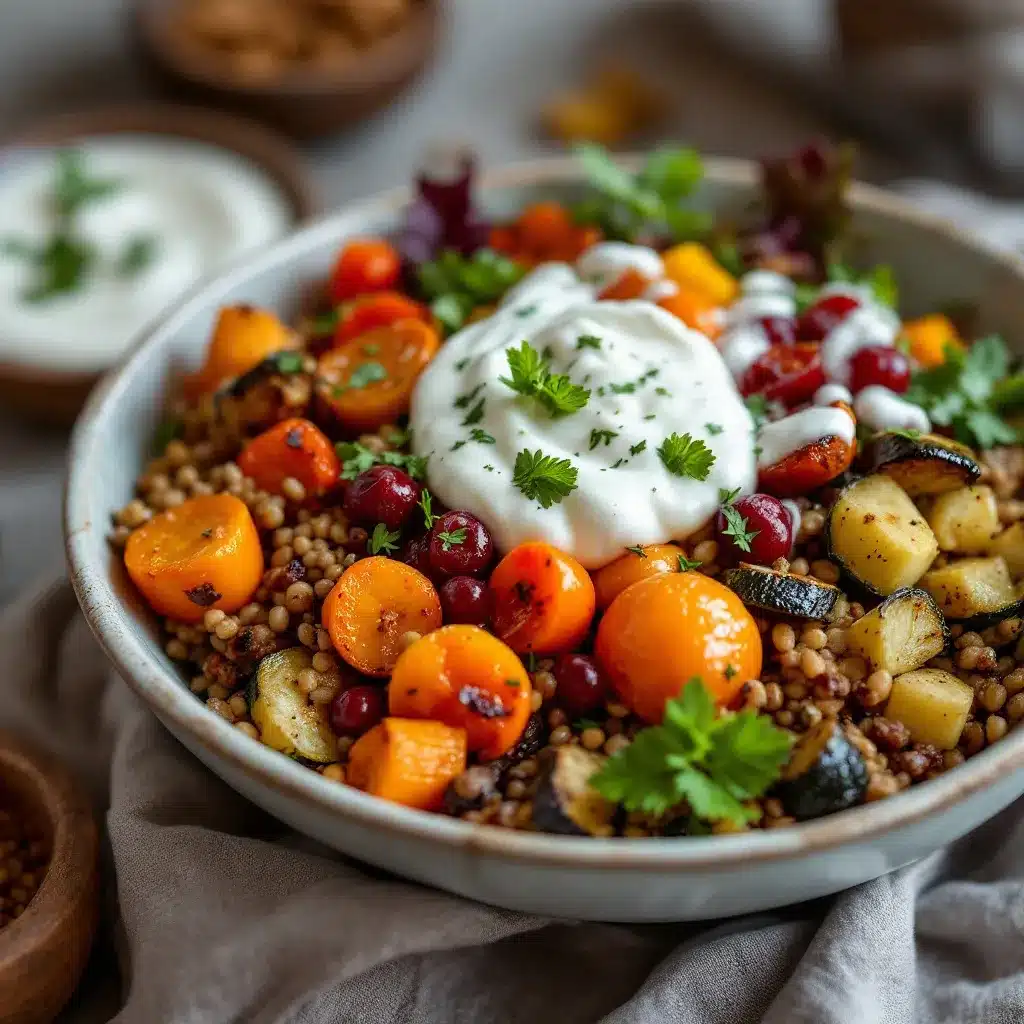
This cozy fall harvest grain bowl with roasted vegetables comes together in about 45 minutes, most of which is hands-off oven time. Here is how I do it.
- Preheat your oven to 400°F (200°C). While it heats up, line a large sheet pan with parchment paper for easier cleanup. Trust me on this—roasted squash can be stubborn.
- Prep the vegetables. Peel and cube the butternut squash and sweet potatoes into uniform ½-inch pieces. Cut the red onion into wedges about the same thickness. In a large bowl, toss everything with the olive oil, smoked paprika, cumin, and a generous pinch of salt and pepper. Spread the vegetables in a single layer on the prepared sheet pan. Do not overcrowd—use two pans if needed.
- Roast the vegetables. Place the pan in the oven and roast for 25 to 30 minutes, flipping halfway through. You want the edges to be caramelized and the centers to be tender when pierced with a fork. The smell in your kitchen right now is going to be incredible.
- Cook the farro. While the vegetables roast, rinse the farro under cold water. In a medium saucepan, combine the farro with the vegetable broth (or water) and a pinch of salt. Bring to a boil, then reduce the heat to low, cover, and simmer for about 25 to 30 minutes, or until the grains are tender but still chewy. Drain any excess liquid and fluff with a fork.
- Make the dressing. In a small bowl or jar, whisk together the tahini, maple syrup, lemon juice, and minced garlic. Add warm water one tablespoon at a time, whisking until the dressing is smooth and pourable. It should be thick enough to coat the back of a spoon but thin enough to drizzle. Season with salt to taste. If it tastes bitter, add another splash of maple syrup—good tahini should not be bitter, but sometimes it needs a little balancing.
- Toast the pepitas. In a small dry skillet over medium heat, toast the pepitas for 2 to 3 minutes, shaking the pan frequently, until they are fragrant and starting to pop. Remove from the heat immediately so they do not burn.
- Assemble the bowls. Divide the warm farro among serving bowls. Top with the roasted vegetables, then drizzle generously with the maple-tahini dressing. Sprinkle with toasted pepitas, dried cranberries, crumbled feta (if using), and fresh herbs. Serve warm.
A quick note: I like to toss the farro with a little of the dressing before adding the vegetables. It helps the grains absorb the flavor and keeps the bowl from feeling dry.
Cooking Tips & Techniques
After making this cozy fall harvest grain bowl with roasted vegetables at least a dozen times, I have picked up a few tricks that make a real difference. Here is what I wish someone had told me sooner.
Cut your vegetables the same size. This is the single most important tip for even roasting. If some pieces are smaller than others, they will burn before the bigger ones are done. I aim for ½-inch cubes and I am not precious about perfection, but consistency matters.
Do not skip the parchment paper. I once tried to roast butternut squash directly on a bare sheet pan and spent twenty minutes scrubbing caramelized sugar off the metal. Parchment paper saves your sanity and makes cleanup a breeze.
Let the farro rest. After cooking, let the farro sit covered for about five minutes before fluffing. This allows the steam to finish the cooking process and makes the grains fluffier. I used to skip this step and wondered why my farro was sometimes gummy.
Warm the dressing slightly. If you have time, warm the tahini dressing gently before drizzling. Cold dressing can seize up when it hits warm vegetables. I just microwave it for ten seconds or set the jar in a bowl of hot water while the vegetables finish roasting.
Season in layers. Salt the vegetables before roasting, season the farro cooking liquid, and add a pinch of salt to the dressing. Each layer of seasoning builds flavor. I learned this from a chef friend who said, “Salt is not the enemy of health—bland food is.”
One mistake I made early on: I undercooked the sweet potatoes because I was afraid of burning them. Now I give them the full 30 minutes and let them get those dark, caramelized edges. That is where the flavor lives.
Variations & Adaptations
One of the best things about this cozy fall harvest grain bowl with roasted vegetables is how adaptable it is. Here are a few ways I have tweaked it depending on what is in my fridge or who is coming to dinner.
Make it gluten-free. Swap the farro for quinoa, millet, or brown rice. All of these work beautifully and maintain that hearty, satisfying texture. I have used wild rice too, and it adds a lovely nutty flavor.
Add protein. This bowl is already quite filling, but if you want to bulk it up, add a handful of chickpeas to the sheet pan during the last 15 minutes of roasting. Or top the finished bowl with a soft-boiled egg, grilled chicken, or crumbled crispy tofu. I have done all three and each version feels like a completely different meal.
Swap the vegetables seasonally. In the fall, I use butternut squash and sweet potatoes, but you can easily substitute Brussels sprouts (halved), carrots, parsnips, or even cauliflower. In winter, I have used roasted beets and turnips. The dressing works with just about any roasted vegetable combination.
Change up the dressing. If tahini is not your thing, try a simple lemon vinaigrette with a teaspoon of Dijon mustard, or a balsamic glaze for a tangier finish. I once made a version with a creamy roasted garlic dressing that was absolutely decadent.
Make it nut-free. Tahini is made from sesame seeds, so it is naturally nut-free, but if you need to avoid seeds as well, swap the pepitas for sunflower seeds or simply leave them off.
I have also tried adding a handful of fresh spinach to the bottom of the bowl before piling on the warm farro and vegetables. The heat wilts the spinach slightly, adding another layer of greens without any extra work.
Serving & Storage Suggestions
This cozy fall harvest grain bowl with roasted vegetables is best served warm, right after assembly. The contrast between the warm grains, the tender roasted vegetables, and the cool, creamy dressing is absolutely perfect. I like to serve it in wide, shallow bowls so you can see all the colorful layers.
If you are making this for a crowd, set up a “bowl bar” with the farro, roasted vegetables, dressing, and toppings in separate bowls. Let everyone build their own. It makes for a fun, interactive meal and accommodates different dietary preferences effortlessly.
For leftovers: Store the farro, roasted vegetables, and dressing separately in airtight containers in the refrigerator. They will keep for up to four days. The vegetables might lose a little bit of their crispness, but the flavor actually deepens overnight.
To reheat: I recommend reheating the farro and vegetables together in a skillet over medium heat with a splash of water or broth. Cover the skillet for a minute or two to let the steam revive the grains. Add the dressing fresh—do not reheat it, as tahini can become grainy.
Freezer-friendly: The roasted vegetables freeze well for up to three months. The farro also freezes beautifully. Thaw overnight in the refrigerator and reheat as directed. The dressing is best made fresh, but you can freeze it in a small jar and whisk it well after thawing.
One thing I have noticed: the flavors in this bowl get more complex after a day in the fridge. The maple-tahini dressing seeps into the farro and the vegetables meld together in a way that is honestly even more delicious. Do not be afraid of leftovers.
Nutritional Information & Benefits
This cozy fall harvest grain bowl with roasted vegetables is as nourishing as it is delicious. Here is a rough estimate per serving (based on four servings, without optional feta).
- Calories: Approximately 420
- Protein: 11 grams
- Fat: 16 grams (mostly from tahini and olive oil—healthy fats)
- Carbohydrates: 62 grams
- Fiber: 12 grams
- Sugar: 14 grams (naturally occurring from vegetables and maple syrup)
Health highlights: Butternut squash and sweet potatoes are packed with vitamin A (beta-carotene), which supports eye health and immune function. Farro is an ancient grain rich in fiber, iron, and magnesium. Tahini provides calcium and healthy fats, while pepitas add zinc and protein. This bowl is naturally vegetarian and can easily be made vegan or gluten-free.
Dietary considerations: This recipe is dairy-free if you skip the feta, and can be made nut-free by omitting or swapping the pepitas. It is also relatively low in saturated fat and contains no refined sugars beyond the small amount of maple syrup in the dressing.
I personally love that this bowl keeps me full for hours without that heavy, sluggish feeling. It is the kind of meal that supports an active afternoon without demanding a nap afterward.
FAQs
Can I use a different grain instead of farro?
Absolutely. Quinoa, brown rice, wild rice, barley, or even couscous all work well. Just adjust the cooking time according to the package instructions. I have made this with all of them at one point or another, and each version has its own charm.
How do I prevent the tahini dressing from being bitter?
Good tahini should not be bitter, but sometimes brands vary. If your dressing tastes bitter, add a little more maple syrup or a pinch of salt to balance it out. You can also try a different brand of tahini—I have found that Middle Eastern brands tend to be smoother and less bitter.
Can I make this recipe ahead of time for meal prep?
Yes, and I actually recommend it. Roast the vegetables and cook the farro up to four days in advance. Store them separately in the refrigerator. Assemble the bowls just before serving, adding the dressing and toppings fresh. The flavors meld beautifully over time.
Is this recipe suitable for a vegan diet?
It is naturally vegan if you skip the feta cheese or use a plant-based alternative. The dressing is already vegan, and the grains and vegetables are entirely plant-based. It is a great option for vegan meal prep or entertaining.
What can I substitute for butternut squash?
Any winter squash works well—acorn squash, delicata squash (which does not need peeling), or even pumpkin. You can also use carrots, parsnips, or sweet potatoes alone. The key is to cut everything into similar-sized pieces for even roasting.
Conclusion
This cozy fall harvest grain bowl with roasted vegetables has become a staple in my kitchen for good reason. It is the kind of recipe that feels both special and completely unfussy—a warm, nourishing bowl that captures everything I love about autumn in every single bite. The sweet, caramelized vegetables, the chewy farro, the creamy tahini dressing with just a hint of maple—it all comes together in a way that is greater than the sum of its parts.
I hope you make this your own. Swap in your favorite grains, use whatever vegetables are sitting in your crisper drawer, and adjust the dressing to your taste. That is the beauty of a bowl like this—it is forgiving, flexible, and always satisfying.
If you try this cozy fall harvest grain bowl with roasted vegetables, I would love to hear about it. Leave a comment below and let me know how it turned out, or share your own variations. And if you are looking for another warm, satisfying meal for chilly days, you might enjoy this comforting vegan BBQ jackfruit sandwich or these crispy loaded twice-baked potato casserole. Happy cooking, and here is to cozy bowls and even cozier evenings.
Pin This Recipe!