Love this? Save it for later!
Share the inspiration with your friends
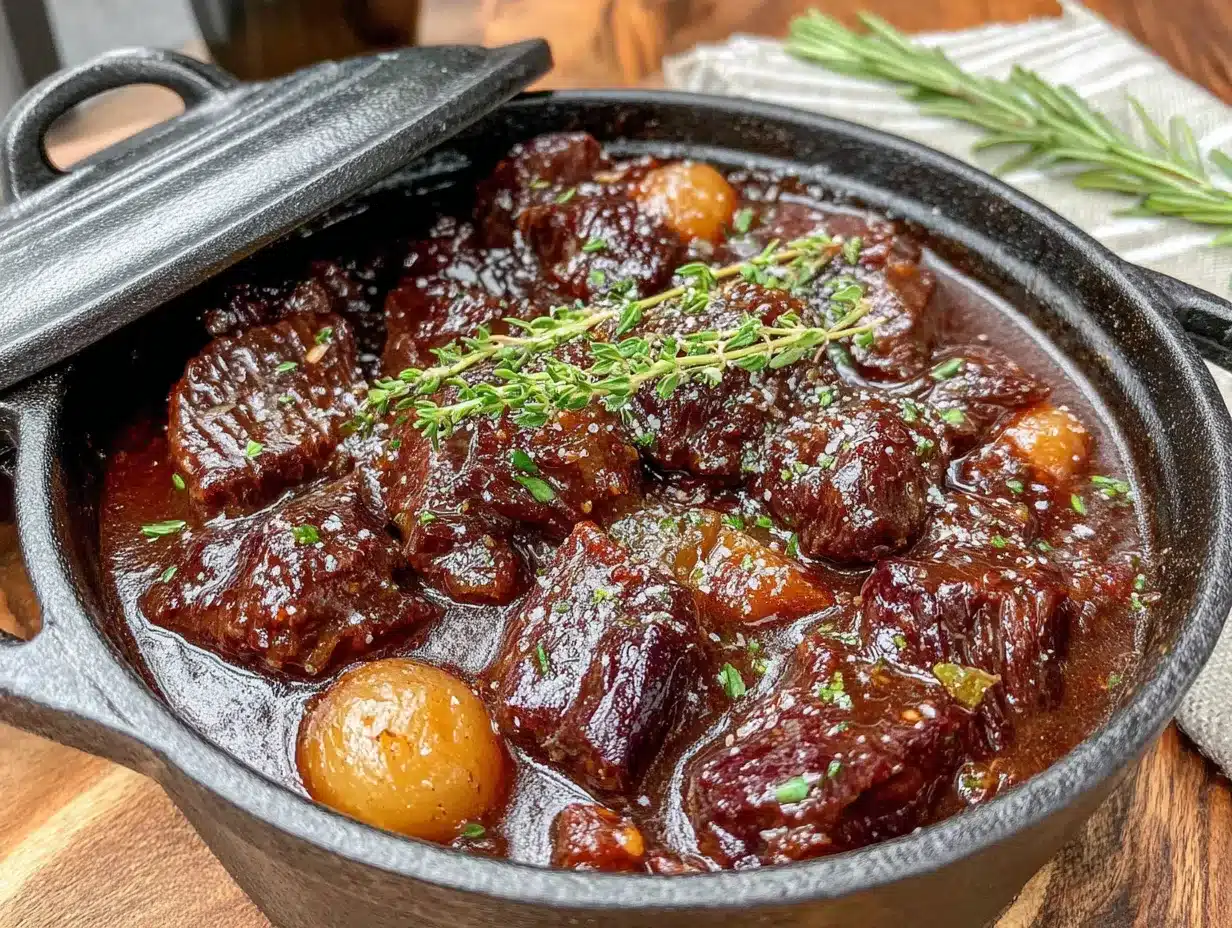
This was supposed to be a completely different meal. I had this vision of a light, brothy beef soup with chunks of carrots and celery—the kind you sip on a rainy Tuesday. But my grocery delivery swapped my regular sweet potatoes for a massive butternut squash, and honestly, I was already running late for a work call. So I just chopped the squash, tossed it in the pot, and figured I’d deal with the consequences later. What came out of that Dutch oven was nothing like the plan—and better. Way better.
The beef got tender in a way I hadn’t managed before, and the squash practically melted into the broth, creating this velvety, almost sweet richness that coated every single bite. I stood at the stove, tasting it straight from the ladle, and let me tell you—I forgot all about that original soup idea. The funny thing is, I almost threw the squash in the freezer to save for another week. You know that feeling when you’re just done with the day and you don’t want to experiment? That was me. But I pushed through, and this cozy Dutch oven beef and butternut squash stew became the recipe I now make every single fall.
It’s one of those meals that fills your kitchen with this deep, savory aroma that makes everyone wander in asking, “What’s for dinner?” The beef gets fall-apart tender, the squash adds this natural sweetness that balances the savory broth, and the whole thing comes together in one pot with minimal fuss. I’ve made it for friends who swore they didn’t like butternut squash, and they went back for seconds. Honestly, that’s the best kind of recipe—the one that surprises you and everyone around the table.
Why You’ll Love This Recipe
I’ve tested this stew at least a dozen times, tweaking the seasoning, adjusting the cook time, and even trying different cuts of beef. What I landed on is the version I genuinely believe is the best. It’s not just another beef stew recipe—it’s the one that makes you close your eyes after the first bite.
- One-Pot Wonder: Everything cooks in a single Dutch oven, which means less cleanup and more time relaxing. The pot does all the heavy lifting.
- Simple Ingredients: No fancy grocery store trips needed. Beef chuck, butternut squash, onions, garlic, broth, and a few pantry spices are all you need.
- Perfect for Cozy Nights: This stew was made for chilly evenings, lazy Sundays, or any day you need a warm hug in a bowl.
- Crowd-Pleaser: I’ve served this to picky eaters, vegetable skeptics, and serious foodies—everyone loves it. The squash adds sweetness without being overpowering.
- Unbelievably Tender Beef: The low-and-slow cooking method breaks down the beef until it’s fork-tender and practically melts in your mouth.
What makes this stew different from the rest is the way the butternut squash breaks down into the broth. Most stew recipes use potatoes or carrots, but the squash creates this silky, slightly sweet base that thickens naturally without any flour or cornstarch. It’s a small twist that completely changes the texture and flavor. Plus, the beef is seared in batches to develop that deep, caramelized crust before it simmers—a step I never skip, even when I’m in a hurry.
This recipe isn’t just good—it’s the kind that makes you want to text your friends and tell them to make it too. It’s comfort food reimagined: heartier, more flavorful, and somehow still simple enough for a weeknight. Perfect for impressing guests without stress, or turning a simple Tuesday into something memorable.
What Ingredients You Will Need
This recipe uses simple, wholesome ingredients to deliver bold flavor and satisfying texture without the fuss. Most of these are pantry staples or easy to find at any grocery store.
For the Stew Base
- 2 pounds beef chuck, cut into 1.5-inch cubes (look for well-marbled pieces for the most tenderness)
- 1 medium butternut squash, peeled, seeded, and cut into 1-inch cubes (about 3-4 cups)
- 1 large yellow onion, diced
- 4 cloves garlic, minced (fresh is best, but jarred works in a pinch)
- 3 tablespoons tomato paste (adds richness and depth)
- 4 cups beef broth, low-sodium (I prefer Pacific Foods or Swanson for consistent flavor)
- 1 cup dry red wine, like Cabernet Sauvignon or Merlot (optional, but adds incredible depth; skip it and use extra broth if needed)
- 2 tablespoons olive oil, divided
For Seasoning
- 1 teaspoon salt, plus more to taste
- 1/2 teaspoon black pepper, freshly ground
- 1 teaspoon dried thyme (or 2 teaspoons fresh thyme leaves)
- 1 teaspoon smoked paprika (adds a subtle smokiness)
- 1/2 teaspoon ground cinnamon (trust me—it pairs beautifully with the squash)
- 2 bay leaves
For Thickening (Optional)
- 2 tablespoons all-purpose flour (or use 1 tablespoon cornstarch mixed with 2 tablespoons cold water for a gluten-free option)
Ingredient Selection Tips: For the beef, look for chuck roast with good marbling—the fat renders during cooking and keeps the meat moist. Avoid pre-cut stew meat from the store if possible; it’s often cut from random parts and can be tough. Ask your butcher to cut a chuck roast into cubes, or do it yourself at home. For the squash, choose one that feels heavy for its size with firm, unblemished skin. If you’re short on time, many stores sell pre-cut butternut squash cubes in the produce section.
Substitution Guidance: No butternut squash? Use sweet potatoes or carrots instead. The sweetness will be slightly different but still delicious. For a gluten-free version, skip the flour thickener and let the squash naturally thicken the stew—it works beautifully. If you don’t drink wine, just add an extra cup of beef broth plus a tablespoon of balsamic vinegar for acidity.
Equipment Needed
You don’t need a fancy kitchen to make this stew, but a few key tools make the process smoother. The star of the show is a Dutch oven—I use a 6-quart Lodge enameled cast iron pot, and it’s been worth every penny. The even heat distribution and tight-fitting lid are perfect for slow braising. If you don’t have a Dutch oven, a heavy-bottomed stockpot or a large oven-safe pot with a lid works too.
You’ll also need a sharp chef’s knife for cutting the beef and squash—dull knives make the prep frustrating and dangerous. A wooden spoon or silicone spatula for stirring, and tongs for flipping the beef while searing. A vegetable peeler makes quick work of the squash skin. And don’t forget a cutting board—preferably one with a groove to catch juices.
If you’re on a budget, skip the enameled Dutch oven and use a stainless steel pot instead. The browning won’t be quite as even, but it’ll still work. I started with a hand-me-down stockpot and made this stew for years before upgrading. The recipe is forgiving.
Preparation Method
This stew comes together in about 2 hours, but most of that time is hands-off simmering. Here’s how to make it perfect every time.
- Prep the beef and squash. Pat the beef cubes dry with paper towels—this is crucial for good browning. Season them generously with 1 teaspoon salt and 1/2 teaspoon pepper. Peel the butternut squash, scoop out the seeds, and cut it into 1-inch cubes. Set the squash aside for now.
- Sear the beef in batches. Heat 1 tablespoon olive oil in your Dutch oven over medium-high heat until it shimmers. Add half the beef cubes in a single layer—don’t crowd the pot. Let them sear undisturbed for 3-4 minutes until a deep brown crust forms. Flip and sear the other side for another 2-3 minutes. Transfer the seared beef to a plate and repeat with the remaining oil and beef. This step builds the foundation of flavor, so don’t rush it.
- Sauté the aromatics. Reduce the heat to medium. Add the diced onion to the pot and cook for 4-5 minutes, scraping up any browned bits from the bottom. The onions should soften and turn translucent. Add the minced garlic and cook for 30 seconds until fragrant—don’t let it burn.
- Bloom the tomato paste and spices. Stir in the tomato paste, dried thyme, smoked paprika, and ground cinnamon. Cook for 1-2 minutes, stirring constantly. The tomato paste will darken and smell rich. This step deepens the overall flavor.
- Deglaze the pot. Pour in the red wine (or extra broth) and scrape the bottom of the pot with your wooden spoon to release all the flavorful browned bits. Let the liquid simmer for 2-3 minutes until slightly reduced.
- Add the broth and beef. Pour in the beef broth, add the bay leaves, and return the seared beef to the pot along with any accumulated juices. Bring the stew to a gentle boil, then reduce the heat to low, cover, and let it simmer for 45 minutes.
- Add the butternut squash. After 45 minutes, gently stir in the cubed butternut squash. Cover the pot again and continue simmering for another 30-40 minutes, until the squash is tender when pierced with a fork and the beef is fall-apart tender.
- Thicken the stew (optional). If you prefer a thicker broth, mix 2 tablespoons all-purpose flour with 1/4 cup cold water until smooth. Stir this slurry into the stew and let it simmer uncovered for 5 minutes. The stew will thicken as it cooks.
- Finish and serve. Remove the bay leaves. Taste the stew and adjust seasoning with additional salt and pepper if needed. The squash will have partially broken down, creating a naturally thick and velvety broth. Serve hot with crusty bread or over mashed potatoes.
Sensory Cues: At step 2, the beef should sizzle loudly when it hits the pot—if it doesn’t, the pot isn’t hot enough. At step 5, the wine should bubble immediately when poured in. At step 7, the squash should offer slight resistance when pierced but yield easily. The final stew should look rich and dark, with the broth clinging to the meat and vegetables.
Cooking Tips & Techniques
I’ve burned my fair share of stews and learned a few things along the way. Here are the tips I wish someone had told me earlier.
Don’t skip the searing step. I know it’s tempting to just dump everything in the pot and walk away, but that brown crust on the beef is pure flavor. It creates the foundation of the entire stew. I once tried skipping it when I was in a rush, and the stew tasted flat and one-dimensional. Never again.
Cut the squash into even pieces. If some cubes are much larger than others, they’ll cook unevenly—some will be mushy while others are still hard. Aim for 1-inch cubes and take the extra minute to make them uniform. Your future self will thank you.
Use low heat for simmering. A vigorous boil will toughen the beef and make the squash fall apart into mush. You want gentle bubbles breaking the surface, not a rolling boil. If your stovetop runs hot, use a heat diffuser or move the pot to a smaller burner.
Let it rest before serving. This stew actually tastes better the next day. The flavors meld overnight, and the beef becomes even more tender. If you have time, make it a day ahead, refrigerate it, and reheat gently. The squash will continue to thicken the broth beautifully.
Skim the fat if needed. Depending on the beef’s marbling, you might see a layer of fat on top after cooking. Use a spoon to skim it off, or blot the surface with a paper towel. I usually leave a little for flavor, but it’s personal preference.
Variations & Adaptations
This stew is flexible, and I’ve tried several variations over the years. Here are my favorites.
Slow Cooker Version: Sear the beef and sauté the aromatics on the stovetop, then transfer everything except the squash to a slow cooker. Cook on low for 6-8 hours or high for 3-4 hours. Add the squash during the last 45 minutes of cooking. The texture will be slightly different—less caramelized—but still delicious for busy days.
Instant Pot Version: Use the sauté function to sear the beef and cook the aromatics. Add all ingredients except the squash, then pressure cook on high for 35 minutes. Quick release, add the squash, and pressure cook for another 5 minutes. Quick release again and serve. It’s faster but still satisfying.
Vegetarian Adaptation: Swap the beef for 2 cans of chickpeas (drained and rinsed) or 3 cups of hearty mushrooms like cremini or portobello. Use vegetable broth instead of beef broth. The cooking time reduces to about 25 minutes after adding the squash. I’ve made this version for vegetarian friends, and it’s become its own beloved recipe.
Spicy Twist: Add 1 teaspoon of chipotle powder or a diced jalapeño with the onions for a smoky heat. The sweetness of the squash balances the spice beautifully. I tried this on a whim during a cold January, and it was exactly what I needed.
Herb Swap: Replace thyme with rosemary or sage for a different flavor profile. Rosemary adds a piney, aromatic quality that pairs wonderfully with beef and squash. Use 1 teaspoon dried rosemary, crushed between your fingers before adding.
Serving & Storage Suggestions
This stew is best served hot, straight from the pot. Ladle it into deep bowls and top with a sprinkle of fresh parsley or thyme leaves for color. A dollop of sour cream or Greek yogurt adds a nice tangy contrast to the rich broth.
What to Serve With It: Crusty bread is non-negotiable—it’s perfect for sopping up every last drop of broth. I also love serving this over creamy mashed potatoes or buttered egg noodles. For a lighter option, a simple green salad with a lemon vinaigrette cuts through the richness. A glass of the same red wine you used in the stew is the perfect pairing.
Storage Instructions: Let the stew cool completely before transferring it to an airtight container. It will keep in the refrigerator for up to 4 days. The flavors actually deepen and improve over time, so don’t be afraid to make it ahead.
Freezer Instructions: This stew freezes beautifully. Portion it into freezer-safe containers or zip-top bags, leaving about an inch of headroom for expansion. It will keep for up to 3 months. Thaw overnight in the refrigerator before reheating.
Reheating Tips: Reheat gently on the stovetop over medium-low heat, stirring occasionally. Add a splash of broth or water if the stew has thickened too much. You can also microwave individual portions in 1-minute intervals, stirring in between. The squash will continue to break down during reheating, making the broth even creamier.
Nutritional Information & Benefits
This stew is hearty enough to be a complete meal on its own. Here’s the approximate nutritional breakdown per serving (based on 6 servings):
- Calories: 420
- Protein: 35g
- Fat: 18g
- Carbohydrates: 28g
- Fiber: 5g
- Sugar: 8g
- Sodium: 680mg
Health Benefits: Butternut squash is packed with vitamin A (great for eye health), vitamin C, and fiber. Beef chuck provides high-quality protein, iron, and B vitamins, especially B12. The olive oil adds healthy monounsaturated fats. This stew is naturally gluten-free if you skip the flour thickener, and it’s low in added sugars.
Dietary Considerations: For a lower-sodium version, use no-salt-added beef broth and reduce the added salt. The stew is dairy-free and egg-free as written. If you’re watching your carb intake, the squash does contain natural sugars, but the fiber helps balance blood sugar response.
I personally love that this stew feels indulgent but is actually quite balanced. It’s the kind of meal that fills you up without weighing you down—perfect for those evenings when you want something satisfying but not overly heavy.
FAQs
Can I use a different cut of beef?
Absolutely. Beef chuck is ideal because of its marbling, but brisket or bottom round also work well. Avoid lean cuts like sirloin—they’ll become tough and dry during the long simmer.
Do I have to peel the butternut squash?
Yes, the skin is too tough to eat in a stew. Use a sharp vegetable peeler or a chef’s knife to remove it. If you’re short on time, look for pre-peeled and cubed squash in the produce section.
Can I make this stew without wine?
Definitely. Skip the wine and use an extra cup of beef broth plus 1 tablespoon of balsamic vinegar. The vinegar adds acidity and depth without the alcohol.
Why is my stew broth thin?
The squash naturally thickens the broth as it breaks down, but if you want it thicker, use the flour or cornstarch slurry at the end. Also, letting the stew simmer uncovered for the last 10 minutes helps reduce and concentrate the liquid.
Can I add other vegetables?
Of course. Carrots, parsnips, or celery root would be excellent additions. Add them at the same time as the squash. Avoid quick-cooking vegetables like zucchini or spinach—add those in the last 10 minutes of cooking.
Conclusion
This cozy Dutch oven beef and butternut squash stew is the kind of recipe that becomes a staple. It’s forgiving enough for a busy weeknight but impressive enough for company. The beef gets impossibly tender, the squash melts into the broth, and the whole thing comes together with minimal effort. I’ve made it on rainy Sundays, after long workdays, and for holiday gatherings—it never disappoints.
I hope you give this stew a try and make it your own. Maybe you’ll add extra garlic, swap in sweet potatoes, or throw in a pinch of cayenne for heat. That’s the beauty of a good recipe—it’s a starting point, not a rulebook. Let me know in the comments how yours turns out, or share your own twist. I’d love to hear about your kitchen adventures. Until then, happy cooking, and may your home always smell like something wonderful simmering on the stove.
Pin This Recipe!
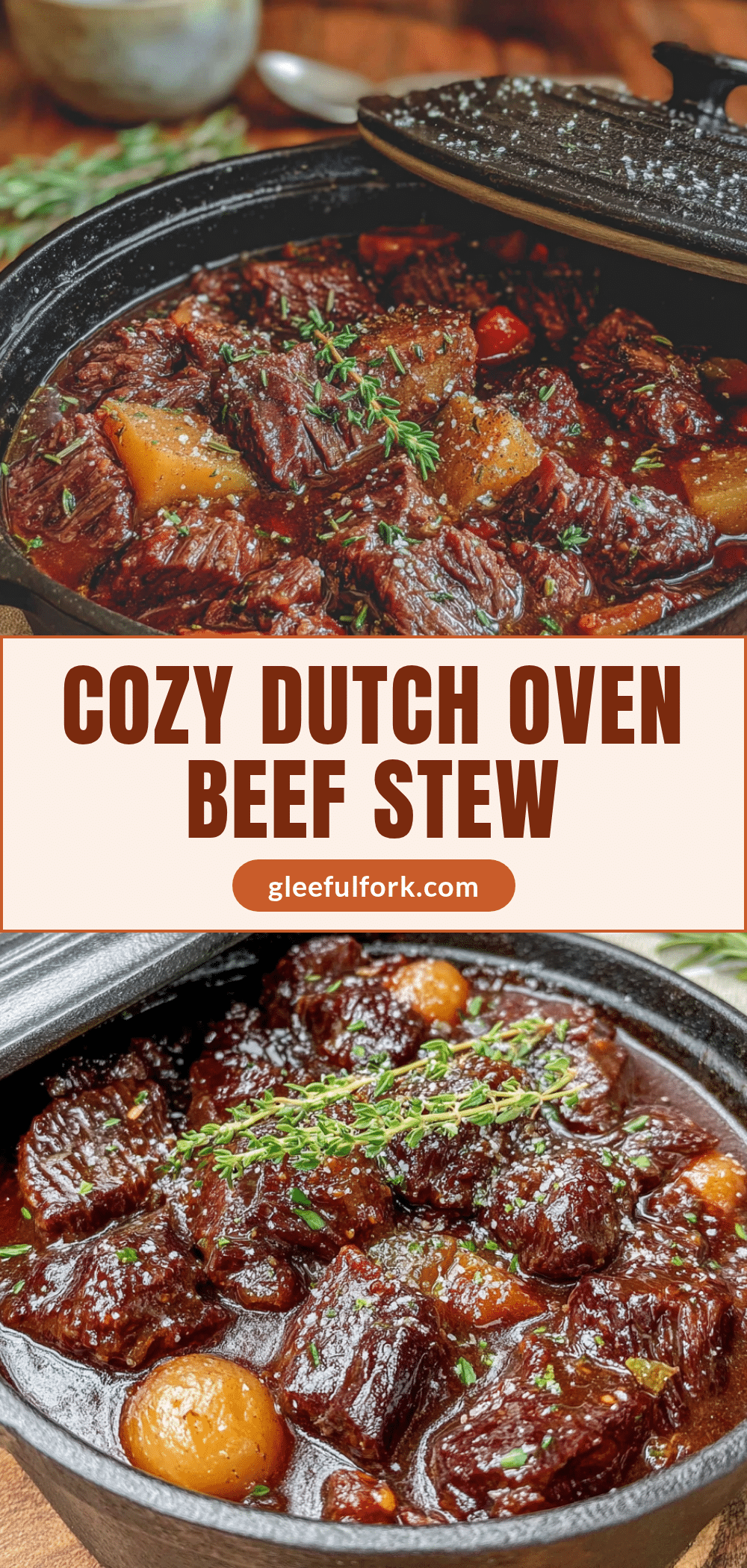
Cozy Dutch Oven Beef and Butternut Squash Stew – Best Easy Dinner
A hearty, one-pot beef stew where butternut squash melts into a velvety, sweet-savory broth. Fall-apart tender beef and simple ingredients make this the ultimate cozy dinner.
- Prep Time: 20 minutes
- Cook Time: 1 hour 30 minutes
- Total Time: 1 hour 50 minutes
- Yield: 6 servings 1x
- Category: Main Course
- Cuisine: American
Ingredients
- 2 pounds beef chuck, cut into 1.5-inch cubes
- 1 medium butternut squash, peeled, seeded, and cut into 1-inch cubes (about 3–4 cups)
- 1 large yellow onion, diced
- 4 cloves garlic, minced
- 3 tablespoons tomato paste
- 4 cups low-sodium beef broth
- 1 cup dry red wine (like Cabernet Sauvignon or Merlot), optional
- 2 tablespoons olive oil, divided
- 1 teaspoon salt, plus more to taste
- 1/2 teaspoon black pepper, freshly ground
- 1 teaspoon dried thyme (or 2 teaspoons fresh thyme leaves)
- 1 teaspoon smoked paprika
- 1/2 teaspoon ground cinnamon
- 2 bay leaves
- 2 tablespoons all-purpose flour (or 1 tablespoon cornstarch mixed with 2 tablespoons cold water for gluten-free), optional
Instructions
- Prep the beef and squash. Pat the beef cubes dry with paper towels. Season them generously with 1 teaspoon salt and 1/2 teaspoon pepper. Peel the butternut squash, scoop out the seeds, and cut it into 1-inch cubes. Set the squash aside.
- Sear the beef in batches. Heat 1 tablespoon olive oil in your Dutch oven over medium-high heat until it shimmers. Add half the beef cubes in a single layer—don’t crowd the pot. Let them sear undisturbed for 3-4 minutes until a deep brown crust forms. Flip and sear the other side for another 2-3 minutes. Transfer the seared beef to a plate and repeat with the remaining oil and beef.
- Sauté the aromatics. Reduce the heat to medium. Add the diced onion to the pot and cook for 4-5 minutes, scraping up any browned bits from the bottom. Add the minced garlic and cook for 30 seconds until fragrant.
- Bloom the tomato paste and spices. Stir in the tomato paste, dried thyme, smoked paprika, and ground cinnamon. Cook for 1-2 minutes, stirring constantly.
- Deglaze the pot. Pour in the red wine (or extra broth) and scrape the bottom of the pot with your wooden spoon to release all the flavorful browned bits. Let the liquid simmer for 2-3 minutes until slightly reduced.
- Add the broth and beef. Pour in the beef broth, add the bay leaves, and return the seared beef to the pot along with any accumulated juices. Bring the stew to a gentle boil, then reduce the heat to low, cover, and let it simmer for 45 minutes.
- Add the butternut squash. After 45 minutes, gently stir in the cubed butternut squash. Cover the pot again and continue simmering for another 30-40 minutes, until the squash is tender when pierced with a fork and the beef is fall-apart tender.
- Thicken the stew (optional). If you prefer a thicker broth, mix 2 tablespoons all-purpose flour with 1/4 cup cold water until smooth. Stir this slurry into the stew and let it simmer uncovered for 5 minutes.
- Finish and serve. Remove the bay leaves. Taste the stew and adjust seasoning with additional salt and pepper if needed. Serve hot with crusty bread or over mashed potatoes.
Notes
For best flavor, sear the beef in batches and don’t skip the browning step. The stew tastes even better the next day. For a gluten-free version, skip the flour thickener and let the squash naturally thicken the broth. If not using wine, substitute with 1 extra cup beef broth plus 1 tablespoon balsamic vinegar.
Nutrition
- Serving Size: 1 serving (about 1.5
- Calories: 420
- Sugar: 8
- Sodium: 680
- Fat: 18
- Saturated Fat: 6
- Carbohydrates: 28
- Fiber: 5
- Protein: 35
Keywords: beef stew, butternut squash stew, Dutch oven recipe, one-pot meal, fall recipe, cozy dinner, beef and squash