Love this? Save it for later!
Share the inspiration with your friends
I burned two batches of these baked apple cider donuts before I finally figured out what I was doing wrong. Not the donuts themselves, mind you—those came out fine. I was burning the apple cider. You know how some recipes tell you to simmer it down until it’s thick and syrupy? Yeah, I took that a little too literally the first time. Walked away to fold laundry, came back to a pot of what smelled like burnt caramel and regret. The second time I hovered over the stove like a hawk, but I reduced it too fast on high heat and ended up with a bitter, scorched mess again. Honestly, I almost gave up on the whole idea.
But here’s the thing—I couldn’t shake the memory of the apple cider donuts from the orchard near my aunt’s house. The ones that smell like cinnamon and autumn and happiness, with that soft, tender crumb and a sugar coating that crunches just slightly when you bite in. I wanted that. So I tried a third time, this time with low heat and patience, and it finally clicked. The smell of that reduced cider filling my kitchen, the way the dough came together like a promise—it was worth every burned batch.
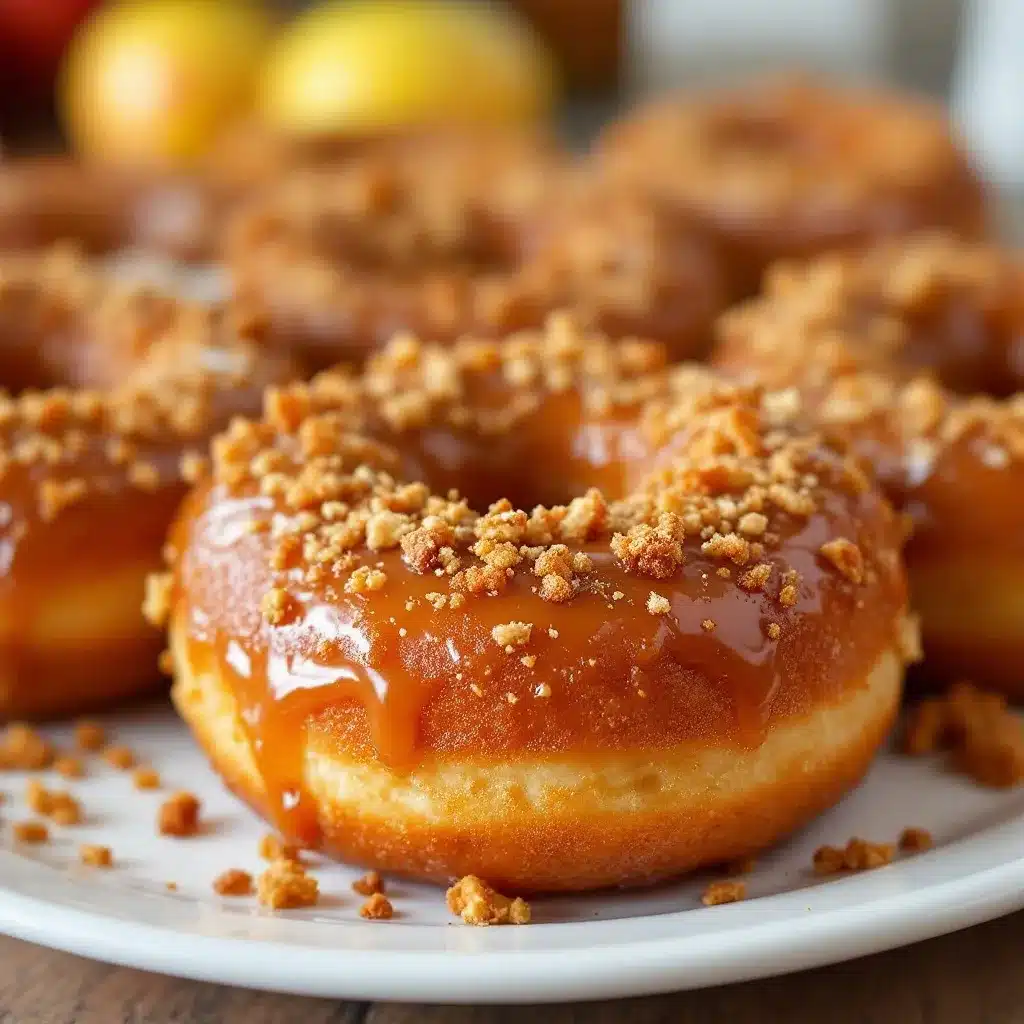
These baked apple cider donuts are the result of my stubborn refusal to give up. They’re not fried, so they skip the grease, but they still have that unmistakable donut texture—tender, cakey, and absolutely perfect with a cup of coffee on a crisp fall morning. And honestly? I think they might be better than the orchard ones. No exaggeration.
Why You’ll Love This Recipe
These aren’t just another pumpkin spice recipe trying to steal the show. These baked apple cider donuts bring something real to the table—actual apple cider flavor, concentrated and bold, not some artificial extract pretending to be autumn. I’ve tested this recipe six times to get the texture just right, and I can tell you with confidence that this is the version worth making.
- Quick & Easy : From start to finish, you’re looking at about 35 minutes. No yeast, no rising time, no deep-frying mess. Just mix, bake, and coat.
- Simple Ingredients : You probably have most of these in your pantry right now. The only special item is apple cider, and that’s everywhere come September.
- Perfect for Fall Mornings : These are made for cozy weekends, apple picking afternoons, or surprise treats for the family on a chilly Saturday.
- Crowd-Pleaser : I brought a batch to a friend’s brunch and watched three people ask for the recipe before the coffee finished brewing.
- Unbelievably Delicious : The secret is reducing the cider down to a concentrate. It gives you that deep, tangy apple flavor without watering down the batter.
What makes these different from every other apple cider donut recipe out there? It’s the technique, honestly. Most baked donuts end up dry or dense, but reducing the cider first concentrates the flavor while keeping the batter moist. Plus, I use a combination of butter and oil—the butter for flavor, the oil for tenderness. It’s a small thing that makes a big difference.
These donuts are the kind of treat that makes you slow down. The kind you eat while wrapped in a blanket, watching the leaves fall, with zero guilt about having a second one. They’re comfort food at its finest—simple, honest, and exactly what you need when the air gets crisp.
What Ingredients You Will Need
This recipe uses straightforward ingredients that work together to create something special. No weird stuff, no hunting down specialty items at three different stores. Just honest baking ingredients with a fall twist.
For the Donuts
- Apple Cider – 1 cup (240 ml). You’ll reduce this down to about ¼ cup, so don’t skip this step. Fresh cider works best, but shelf-stable is fine too.
- All-Purpose Flour – 1 ¾ cups (220 grams). Spoon and level it—don’t scoop straight from the bag or you’ll end up with dense donuts.
- Granulated Sugar – ½ cup (100 grams). Just regular white sugar. It gives the donuts their structure and sweetness.
- Light Brown Sugar – ¼ cup (50 grams), packed. This adds moisture and a hint of molasses flavor that plays nice with the apple cider.
- Baking Powder – 1 ½ teaspoons. Make sure it’s fresh—old baking powder is the number one reason baked goods don’t rise properly.
- Baking Soda – ¼ teaspoon. Helps with browning and tenderness.
- Ground Cinnamon – 1 teaspoon. Use a good quality cinnamon like Saigon or Ceylon if you have it.
- Ground Nutmeg – ¼ teaspoon. Freshly grated is amazing here, but pre-ground works perfectly fine.
- Salt – ½ teaspoon. Don’t skip it—salt balances the sweetness and brings out the apple flavor.
- Unsalted Butter – 4 tablespoons (56 grams), melted and slightly cooled. I use Kerrygold when I want that extra rich flavor.
- Vegetable Oil – 2 tablespoons (30 ml). Any neutral oil works—canola, grapeseed, or avocado oil.
- Large Egg – 1, at room temperature. If you forgot to take it out of the fridge, place it in a bowl of warm water for 5 minutes.
- Vanilla Extract – 1 teaspoon. Pure vanilla, not imitation, if you can swing it.
- Buttermilk – ½ cup (120 ml). The acidity in buttermilk reacts with the baking soda to give you a tender crumb. No buttermilk? Add ½ tablespoon of lemon juice or vinegar to regular milk and let it sit for 5 minutes.
For the Cinnamon Sugar Coating
- Granulated Sugar – ½ cup (100 grams)
- Ground Cinnamon – 1 ½ teaspoons
- Unsalted Butter – 4 tablespoons (56 grams), melted, for brushing
I recommend using a good-quality cinnamon for the coating—it makes a bigger difference than you’d think. I’ve tried this with both regular supermarket cinnamon and a nicer Vietnamese cinnamon, and the flavor upgrade is noticeable. Also, make sure your apple cider is unfiltered if possible. The cloudy kind has more apple solids and gives you a richer flavor after reduction.
Equipment Needed
- Donut Pan – Standard 6-cavity or 12-cavity pan. I use a Wilton non-stick pan and it works beautifully. If you only have a mini donut pan, just adjust the baking time down to 7-9 minutes.
- Small Saucepan – For reducing the apple cider. A 1-quart saucepan works perfectly.
- Mixing Bowls – One medium bowl for dry ingredients, one large bowl for wet ingredients.
- Whisk – For combining everything smoothly. A silicone whisk is nice because it won’t scratch your bowls.
- Piping Bag or Zip-Top Bag – For filling the donut cavities cleanly. A gallon-sized zip-top bag with the corner snipped off works like a charm and saves you from buying a piping bag.
- Cooling Rack – Essential for letting the donuts cool evenly so the coating sticks properly.
- Pastry Brush – For brushing the melted butter onto the donuts before coating. A silicone brush is easier to clean than a natural bristle one.
- Small Bowl – For the cinnamon sugar mixture. A shallow bowl works best for dipping.
If you don’t have a donut pan, don’t run out and buy one just yet—you can bake this batter as muffins instead. Just fill a standard muffin tin about ⅔ full and bake for 15-18 minutes. They won’t have the classic donut shape, but they’ll taste just as good. I’ve done it when my donut pan was in the dishwasher, and nobody complained.
Preparation Method
- Reduce the apple cider. Pour 1 cup of apple cider into a small saucepan. Bring it to a boil over medium-high heat, then reduce the heat to low and let it simmer gently. Stir occasionally. You want it to reduce down to about ¼ cup—this takes roughly 15-20 minutes. You’ll know it’s ready when it’s thick, syrupy, and coats the back of a spoon. Watch it closely toward the end because it can go from perfect to burned really fast. Set it aside to cool while you prep everything else.
- Preheat your oven to 350°F (175°C). Spray your donut pan generously with non-stick cooking spray. Don’t be shy here—baked donuts love to stick if the pan isn’t well-greased. I use baking spray with flour in it for extra insurance.
- Mix the dry ingredients. In a medium bowl, whisk together 1 ¾ cups all-purpose flour, ½ cup granulated sugar, ¼ cup packed light brown sugar, 1 ½ teaspoons baking powder, ¼ teaspoon baking soda, 1 teaspoon cinnamon, ¼ teaspoon nutmeg, and ½ teaspoon salt. Whisk until everything is evenly distributed—about 20 seconds of whisking does the trick.
- Mix the wet ingredients. In a large bowl, whisk together the melted butter, vegetable oil, egg, vanilla extract, buttermilk, and the cooled reduced apple cider. Whisk until smooth and well-combined. The mixture should look uniform and smell amazing already.
- Combine wet and dry. Pour the dry ingredients into the wet ingredients. Stir with a spatula or wooden spoon until just combined—a few streaks of flour are okay. Overmixing is the enemy here. It develops gluten and makes your donuts tough instead of tender. Fold until you don’t see any more dry flour, then stop immediately.
- Fill the donut pan. Transfer the batter to a piping bag or a zip-top bag with the corner snipped off. Pipe the batter into each donut cavity, filling them about ¾ full. Don’t overfill or the donuts will lose their hole. If you don’t have a bag, you can carefully spoon the batter in—it’s just messier.
- Bake. Place the pan in the preheated oven and bake for 10-12 minutes. The donuts are done when they spring back lightly when touched and a toothpick inserted into the thickest part comes out clean. Mine are usually perfect at 11 minutes. Let them cool in the pan for 5 minutes, then transfer to a wire rack.
- Make the coating. While the donuts are cooling, mix ½ cup granulated sugar with 1 ½ teaspoons cinnamon in a small shallow bowl. Melt 4 tablespoons of butter in another small bowl.
- Coat the donuts. While the donuts are still warm (but not hot), brush each one with melted butter on both sides. Immediately dip it into the cinnamon sugar mixture, turning to coat evenly. The butter helps the sugar stick and adds that extra richness that makes these donuts irresistible.
- Serve or store. These are best eaten the same day, ideally within a few hours of baking. The coating stays crunchy for about 4-6 hours before it starts to soften.
A few things I’ve learned the hard way: don’t skip the cooling step before coating. If the donuts are too hot, the butter will just run off and the sugar won’t stick properly. And if they’re completely cold, the butter won’t soak in enough. Warm is the sweet spot—about 5-7 minutes out of the pan.
Cooking Tips & Techniques
Reducing apple cider sounds simple, but it’s where most people mess up. Here’s what I’ve learned after those two burned batches: keep the heat low once it starts simmering, and stir it every couple of minutes. The cider will go from looking like thin juice to a thick, almost caramel-like syrup. When you see bubbles getting bigger and slower, you’re close. Pull it off the heat just before it reaches the thickness you want—it’ll continue to thicken as it cools.
Another mistake I made early on was using cold buttermilk straight from the fridge. Cold ingredients don’t emulsify as well, and you end up with a lumpy batter. Take the time to bring your egg and buttermilk to room temperature. It takes maybe 15 minutes and makes a noticeable difference in the texture.
For the coating, here’s a pro tip: double coat them. Brush with butter, dip in cinnamon sugar, then brush with a little more butter and dip again. It’s extra work, but the crunch factor goes through the roof. I only do this when I’m serving company, but it’s worth the effort.
If you’re making these for a crowd, you can prep the reduced cider a day ahead and store it in the fridge. Just bring it back to room temperature before using it. The batter itself should be baked immediately after mixing—don’t let it sit around or the leavening agents will start working too early and your donuts won’t rise properly.
Timing is everything with these donuts. I like to start the cider reduction first, then measure out my dry ingredients while it simmers. By the time the cider is ready, I can mix the wet ingredients, combine everything, and have the donuts in the oven within 10 minutes. It’s a smooth workflow once you’ve done it a couple of times.
Variations & Adaptations
One of the great things about this recipe is how adaptable it is. I’ve played around with several variations over the years, and here are my favorites:
Gluten-Free Version: Swap the all-purpose flour for a good 1:1 gluten-free baking flour. I’ve had the best luck with Bob’s Red Mill 1:1 Baking Flour. The texture is slightly more delicate, so handle them gently when coating. Add an extra tablespoon of buttermilk to compensate for the drier gluten-free flour.
Vegan Adaptation: Use a flax egg (1 tablespoon ground flaxseed mixed with 3 tablespoons water, let sit for 5 minutes) instead of the regular egg. Substitute the buttermilk with ½ cup of unsweetened almond milk mixed with ½ tablespoon of apple cider vinegar. Use vegan butter or coconut oil instead of regular butter. The texture won’t be quite as tender, but they’re still delicious—I made these for a vegan friend’s birthday and she asked for the recipe.
Spiced Chai Twist: Add ½ teaspoon of cardamom, ¼ teaspoon of ground ginger, and a pinch of cloves to the dry ingredients. It gives the donuts a chai latte vibe that pairs beautifully with the apple cider. I made this version last November and it was a hit at a book club meeting.
Apple Cider Donut Holes: Use a mini donut pan or a mini muffin tin and bake for 6-8 minutes. Coat them the same way. They’re perfect for snacking and somehow even more addictive than the full-size version.
Maple Glaze Option: Instead of the cinnamon sugar coating, whisk together 1 cup of powdered sugar, 2 tablespoons of maple syrup, and 1-2 tablespoons of milk until smooth. Dip the cooled donuts in the glaze and let set for about 15 minutes. This version is less crunchy but has that deep maple flavor that screams fall.
I’ve also tried adding finely diced fresh apple to the batter—about ½ cup of a firm apple like Honeycrisp or Granny Smith. It adds little pockets of fruit throughout the donut, but it also makes them a bit more prone to sticking to the pan. Worth trying if you want extra apple texture, just make sure to grease the pan really well.
Serving & Storage Suggestions
These baked apple cider donuts are best served warm, within an hour or two of baking. The cinnamon sugar coating is at its peak crunchiness right after you coat them, and the inside is soft and tender. I like to serve them on a wooden board with a few apple slices and a steaming mug of coffee or chai tea.
If you’re planning a fall brunch, these pair beautifully with a fresh honey mustard coleslaw with apple cider vinegar dressing for a sweet and savory balance. Or if you’re going full autumn mode, serve them alongside a homemade wild foraged huckleberry syrup drizzled over pancakes for a breakfast spread that’ll make everyone swoon.
For storage, place leftover donuts in an airtight container at room temperature. They’ll stay good for about 2 days, but the coating will soften after the first day. If you want to re-crisp them, pop them in a 300°F oven for 3-4 minutes, then brush with a little more melted butter and re-dip in cinnamon sugar. It works surprisingly well.
You can also freeze these donuts—without the coating. Bake them, let them cool completely, wrap tightly in plastic wrap, then place in a freezer bag. They’ll keep for up to 2 months. When you’re ready to enjoy them, thaw at room temperature, warm in the oven for 5 minutes, then coat with butter and cinnamon sugar fresh. Nobody will know they were frozen.
I don’t recommend refrigerating these donuts. The fridge dries them out and makes the texture sad. Room temperature or frozen is the way to go.
Nutritional Information & Benefits
Let’s be real—these are donuts, not health food. But they’re baked instead of fried, which cuts down on the fat content significantly. Each donut (based on 12 servings) comes in at approximately 220 calories, 9 grams of fat, 33 grams of carbohydrates, and 3 grams of protein.
The apple cider itself offers some benefits. It contains antioxidants called polyphenols, which help fight inflammation in the body. And the cinnamon in the coating has anti-inflammatory properties and can help regulate blood sugar levels—not that you’re eating these for medicinal purposes, but it’s nice to know.
If you’re watching your sugar intake, you can reduce the sugar in the batter by a couple of tablespoons without affecting the texture too much. The coating is harder to adjust because you need the sugar for that signature crunch, but you could try a sugar-free sweetener like monk fruit in the coating instead.
These donuts are not gluten-free or dairy-free as written, but I’ve included adaptations above for both. They also contain eggs, so they’re not vegan-friendly without the flax egg substitution.
My personal take? These are a treat, meant to be enjoyed in moderation on a crisp fall morning. One donut with a cup of coffee is the perfect way to start a weekend—not an everyday breakfast, but absolutely worth every bite when you do have them.
Frequently Asked Questions
Can I use store-bought apple cider concentrate instead of reducing it myself?
You can, but the flavor won’t be quite as fresh. Look for frozen apple cider concentrate in the freezer section, thaw it, and use ¼ cup. Just know that homemade reduced cider has a brighter, more authentic apple flavor that really makes these donuts special.
Why did my donuts stick to the pan?
This happened to me the first time I made them. Two things: make sure you’re greasing the pan really well, including the center posts. I use baking spray with flour for the best results. Also, let the donuts cool in the pan for exactly 5 minutes—not less, not more. If you try to remove them too soon, they’ll fall apart. Too late, and they’ll stick.
Can I make the batter ahead of time?
I don’t recommend it. The baking powder and baking soda start reacting as soon as they hit the wet ingredients, so the batter loses its lift if it sits around. You can reduce the cider up to 2 days ahead and store it in the fridge, but mix and bake the batter right away for the best texture.
My donuts came out dry. What went wrong?
Most likely one of three things: you overmixed the batter (stir until just combined, no more), you overbaked them (check at 10 minutes), or your flour measurement was off. Spoon the flour into your measuring cup and level it off—don’t scoop straight from the bag. That alone can make a huge difference.
Can I double this recipe?
Absolutely. I double it all the time for parties. Just make sure you have two donut pans, or bake in batches. The batter can sit for about 15-20 minutes while the first batch bakes, but any longer and you’ll lose some rise. Also, reduce the cider in a slightly larger saucepan so it doesn’t boil over.
Conclusion
These baked apple cider donuts are everything I wanted that first fall when I kept burning the cider—warm, spiced, tender, and absolutely coated in that signature cinnamon sugar crunch. They’re the kind of recipe that makes your kitchen smell like autumn happiness, the kind that gets you invited back to brunch, the kind that disappears before the coffee finishes brewing.
I hope you give these a try, and I hope you don’t burn your cider on the first attempt like I did. But if you do? Try again. The third batch is the one that counts. And when you nail it—when you pull that pan out of the oven and the smell hits you—you’ll understand why I kept going.
If you make these, I’d love to hear about it. Drop a comment below or tag me in your photos. Tell me if you went with the classic cinnamon sugar or tried one of the variations. Did you add the chai spices? Go for the maple glaze? I’m always looking for new twists to try, and your ideas might just inspire my next batch.
Now go preheat that oven. Fall isn’t going to wait forever.
Pin This Recipe!
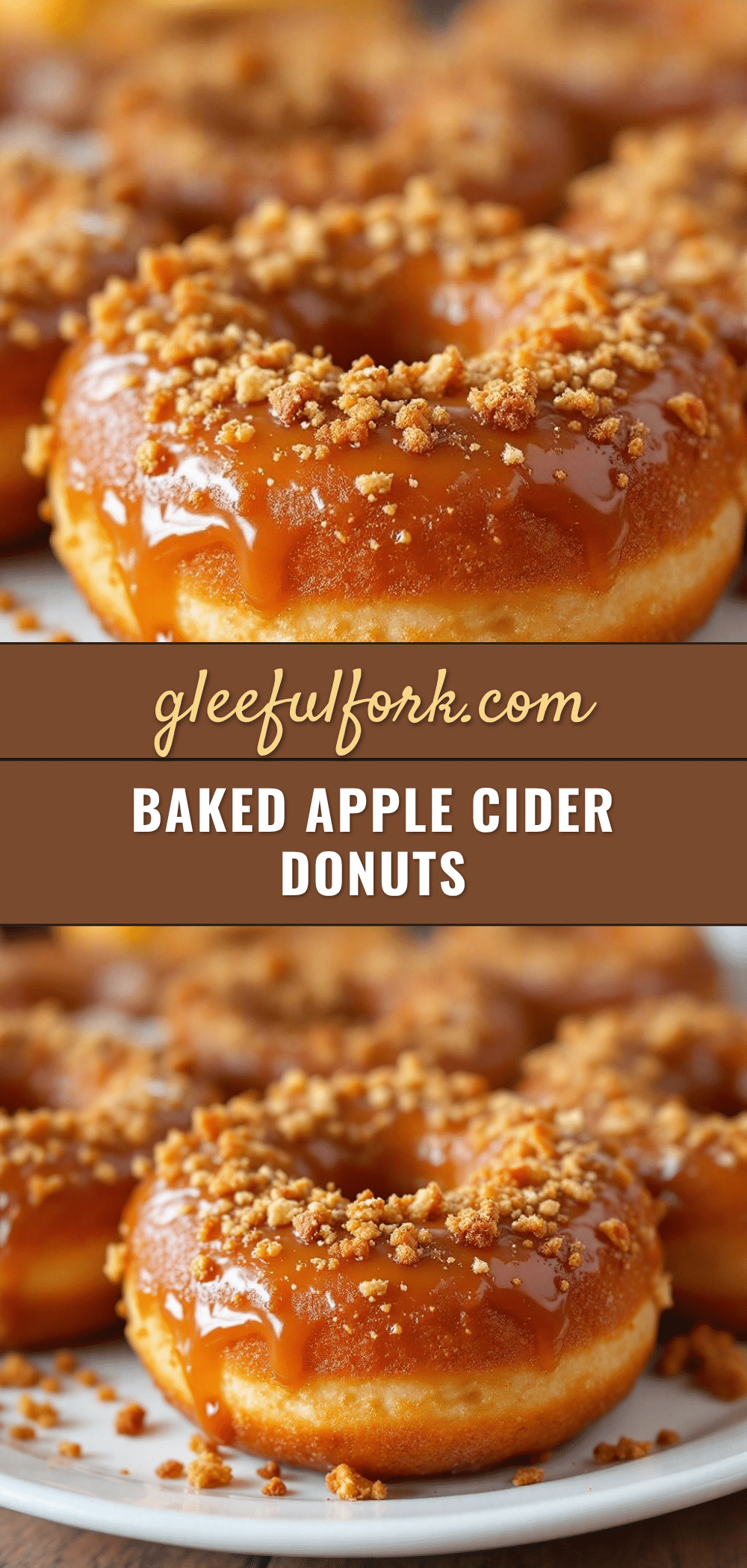
Baked Apple Cider Donuts: The Best Cozy Fall Treat

These baked apple cider donuts are tender, cakey, and coated in cinnamon sugar. Made with reduced apple cider for concentrated flavor, they’re the perfect fall treat without the grease of frying.
- Prep Time: 15 minutes
- Cook Time: 12 minutes
- Total Time: 35 minutes
- Yield: 12 servings 1x
- Category: Dessert
- Cuisine: American
Ingredients
- 1 cup (240 ml) apple cider
- 1 ¾ cups (220 g) all-purpose flour
- ½ cup (100 g) granulated sugar
- ¼ cup (50 g) light brown sugar, packed
- 1 ½ teaspoons baking powder
- ¼ teaspoon baking soda
- 1 teaspoon ground cinnamon
- ¼ teaspoon ground nutmeg
- ½ teaspoon salt
- 4 tablespoons (56 g) unsalted butter, melted and slightly cooled
- 2 tablespoons (30 ml) vegetable oil
- 1 large egg, at room temperature
- 1 teaspoon vanilla extract
- ½ cup (120 ml) buttermilk
- For the coating:
- ½ cup (100 g) granulated sugar
- 1 ½ teaspoons ground cinnamon
- 4 tablespoons (56 g) unsalted butter, melted
Instructions
- Reduce the apple cider: Pour 1 cup of apple cider into a small saucepan. Bring to a boil over medium-high heat, then reduce heat to low and simmer gently, stirring occasionally, until reduced to about ¼ cup (15-20 minutes). It should be thick and syrupy. Set aside to cool.
- Preheat oven to 350°F (175°C). Generously spray a donut pan with non-stick cooking spray.
- Mix dry ingredients: In a medium bowl, whisk together flour, granulated sugar, brown sugar, baking powder, baking soda, cinnamon, nutmeg, and salt.
- Mix wet ingredients: In a large bowl, whisk together melted butter, vegetable oil, egg, vanilla extract, buttermilk, and cooled reduced apple cider until smooth.
- Combine: Pour dry ingredients into wet ingredients. Stir with a spatula until just combined (a few streaks of flour are okay). Do not overmix.
- Fill donut pan: Transfer batter to a piping bag or zip-top bag with corner snipped. Pipe batter into each donut cavity, filling about ¾ full.
- Bake for 10-12 minutes, until donuts spring back when touched and a toothpick inserted comes out clean. Cool in pan for 5 minutes, then transfer to a wire rack.
- Make coating: In a small shallow bowl, mix ½ cup granulated sugar with 1 ½ teaspoons cinnamon. Melt 4 tablespoons butter in another small bowl.
- Coat donuts: While donuts are still warm (but not hot), brush each with melted butter on both sides, then dip into cinnamon sugar mixture to coat evenly.
- Serve immediately or store in an airtight container at room temperature for up to 2 days.
Notes
Reduce apple cider on low heat to avoid burning. Bring egg and buttermilk to room temperature for best texture. For a crunchier coating, double coat with butter and cinnamon sugar. Donuts are best eaten the same day; coating softens after 4-6 hours. To freeze, bake without coating, wrap tightly, and freeze for up to 2 months; thaw and coat fresh.
Nutrition
- Serving Size: 1 donut
- Calories: 220
- Sugar: 20
- Sodium: 180
- Fat: 9
- Saturated Fat: 5
- Carbohydrates: 33
- Fiber: 1
- Protein: 3
Keywords: baked apple cider donuts, fall donuts, apple cider donuts, baked donuts, cinnamon sugar donuts, easy donut recipe