Love this? Save it for later!
Share the inspiration with your friends
The clock on the microwave blinked 6:45 PM, and I was staring at a file of thawed salmon fillets that looked suspiciously like wet cardboard. The kids were already arguing over who got the blue cup for water, and the dog was doing that specific whine that usually precedes a demand for dinner at least twenty minutes early. I had promised pasta night, but the pantry was suspiciously empty of noodles. Honestly, I didn’t feel like chopping vegetables or managing three separate pots of boiling water. I just wanted something warm, fast, and hopefully edible.
So I grabbed a baking sheet. I didn’t even wash it first because, let’s face it, we were all going to eat off it eventually. I tossed in the salmon, slapped a knob of butter on top, and squeezed half a lemon over the whole mess because I was running on fumes and adrenaline. Then I hit the garlic button on the electric press. It spat out two cloves, which I roughly chopped with a butter knife because precision was not in the cards tonight. I threw it all in the oven and pretended to read a book while actually listening for the timer beep.
When that smell hit the hallway—rich, garlicky, and bright with citrus—I knew we were saved. The skin crisped up perfectly, and the butter pooled around the fish like a savory gold mine. My son took one bite, closed his eyes, and said, “This is better than pasta.” I didn’t correct him. I just nodded and poured myself a glass of wine. That’s when I knew this crispy sheet pan salmon with lemon garlic butter wasn’t just a backup plan. It was a new favorite.
Why You’ll Love This Recipe
There is something magical about the way this recipe comes together. It’s not just about convenience, though that’s a huge bonus. It’s about the texture contrast you get when you roast salmon at a high heat. The skin turns into a delicate, shatteringly crisp layer, while the inside stays tender and flaky. I’ve tested this method dozens of times, adjusting the temperature and timing, and I’ve found that this specific ratio of butter to lemon is the sweet spot. It’s rich without being heavy, and tangy without overpowering the natural flavor of the fish.
Here is why this recipe earns a permanent spot in your weekly rotation:
- Quick & Easy: You can have this on the table in under 20 minutes. It is perfect for those chaotic weeknights when you have zero energy left but still need to feed the family.
- Simple Ingredients: You likely already have everything in your kitchen. Salmon, butter, lemon, garlic, and a few pantry staples. No fancy grocery trips needed.
- Perfect for Date Night or Quick Dinners: It feels elegant enough to serve to guests, but simple enough to make for a solo dinner on a Tuesday.
- Crowd-Pleaser: Even the pickiest eaters usually love this. The garlic butter sauce masks any “fishy” taste that some people dislike, making it a safe bet for kids.
- Unbelievably Delicious: The combination of the crispy edges and the juicy center creates a texture that is next-level comfort food.
What makes this different from other salmon recipes? Most people boil or steam their salmon, which leaves it soggy and bland. By using a sheet pan and high heat, you get that restaurant-quality sear without actually needing a skillet. It’s a small technique change that makes a massive difference. Plus, the cleanup is a breeze. You just toss the pan in the sink and walk away. It’s the kind of meal that makes you feel like a culinary genius without the stress. It’s comfort food reimagined for the modern, busy home cook.
What Ingredients You Will Need
This recipe relies on high-quality, simple ingredients to deliver bold flavor. You don’t need a long list of obscure spices. The magic happens when the fats (butter) meet the aromatics (garlic) and the acid (lemon) under high heat. I recommend using wild-caught salmon if you can find it, as it tends to have a firmer texture that holds up better on a sheet pan. However, farmed salmon works just fine if that is what your local store carries.
- Skin-on Salmon Fillets: Look for fillets that are roughly the same thickness so they cook evenly. About 6 to 8 ounces each is ideal. I prefer Atlantic salmon for its higher fat content, which keeps it moist.
- Unsalted Butter: This is the base of the sauce. Using unsalted allows you to control the sodium level. I like to use European-style butter if I have it, because it has a higher fat content and richer flavor.
- Fresh Garlic: Pre-minced garlic in a jar just doesn’t have the same punch. Fresh cloves give that sharp, aromatic bite that defines this dish. Two to three cloves per fillet is my standard.
- Fresh Lemons: Do not use bottled lemon juice. It tastes metallic and flat. You need the bright, zesty oil from the zest and the fresh juice. Two lemons total—one for juicing, one for garnish.
- Extra Virgin Olive Oil: Helps prevent the butter from burning at high temperatures. It also adds a fruity note that complements the fish.
- Dried Parsley: Adds a pop of color and a mild herbal flavor. Fresh parsley is nice, but it burns easily in the oven, so dried is safer for this method.
- Red Pepper Flakes: Just a pinch. It adds a subtle warmth that balances the richness of the butter. If you don’t like heat, you can skip this, but it adds a nice depth.
- Kosher Salt and Black Pepper: Essential for seasoning. Kosher salt sticks better to the fish and seasons more evenly than table salt.
If you need to substitute, you can use ghee instead of butter for a dairy-free option, though the flavor will be slightly different. For the lemon, if you are in a pinch, a splash of white wine vinegar can provide the acidity, but it won’t give you the citrus aroma. Keep it simple, and the results will be fantastic.
Equipment Needed
You don’t need fancy gadgets for this recipe. A standard baking sheet is all you really need. I prefer a rimmed half-sheet pan (13×18 inches) because it gives the salmon enough room to breathe. If the fillets are touching, they will steam instead of roast, and you won’t get that crispy skin. Line your pan with parchment paper or aluminum foil for easy cleanup. I usually use foil because I like to scrape the crispy bits off the bottom later.
A pair of tongs is helpful for flipping the salmon, but it’s not strictly necessary if you are careful. A microplane or fine grater is useful for getting that lemon zest without the bitter white pith. If you don’t have one, a sharp knife works, but it takes more time. A small saucepan or microwave-safe bowl is needed to melt the butter and garlic mixture. I often just use a mug in the microwave for speed.
If you don’t have a baking sheet, you can use a cast-iron skillet, but the cooking time might need to be adjusted slightly. Just make sure the pan fits in your oven. Budget-friendly options include reusable silicone baking mats, which save you on paper products and are great for the environment. They also prevent sticking almost entirely, though you might sacrifice a tiny bit of crispiness compared to bare metal.
Preparation Method
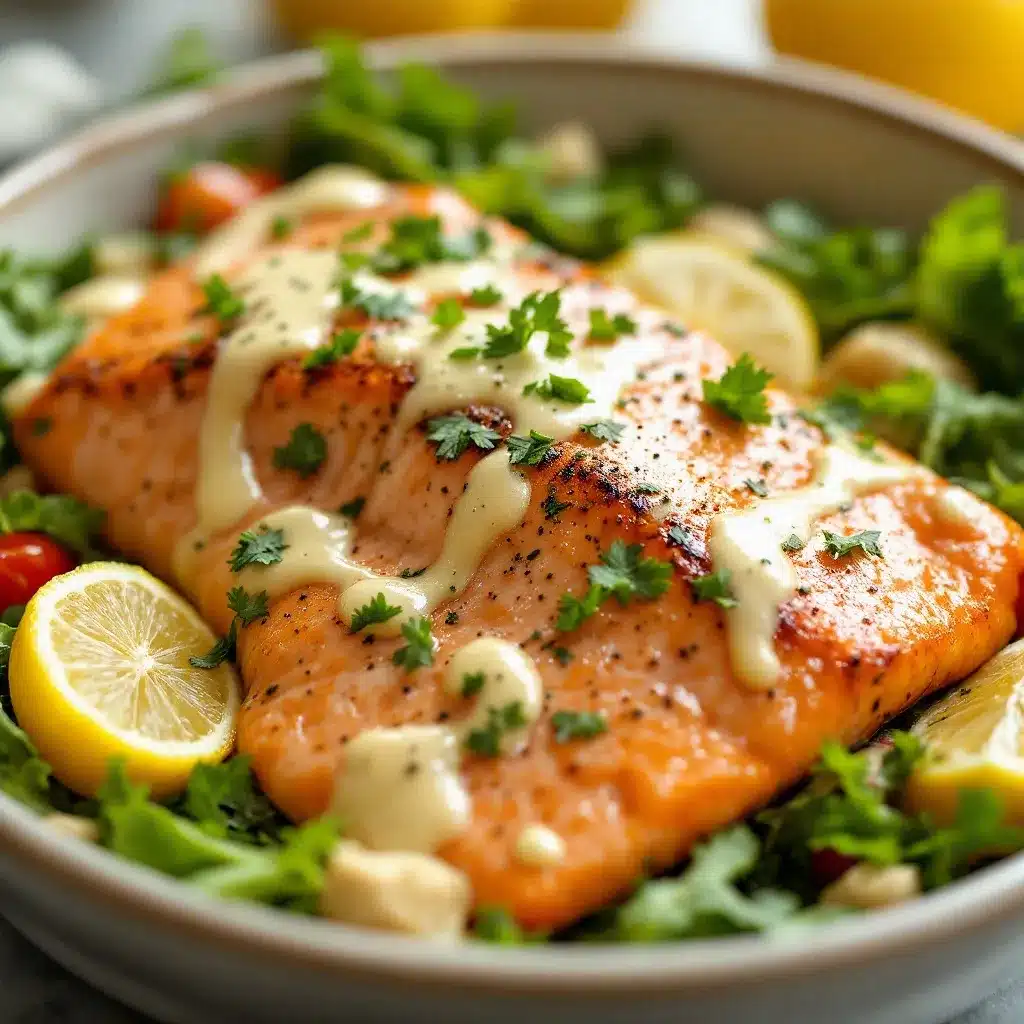
Preparing this dish is straightforward, but there are a few key steps to ensure success. Follow these instructions closely for the best results.
- Preheat the Oven: Set your oven to 425°F (220°C). This high temperature is crucial for crisping the skin. Let it fully preheat for at least 10 minutes. A hot oven is your best friend here.
- Prepare the Salmon: Pat the salmon fillets dry with paper towels. This step is non-negotiable. Moisture is the enemy of crispiness. If the skin is wet, it will steam. Season both sides generously with kosher salt and black pepper.
- Arrange on Pan: Line your baking sheet with foil or parchment. Place the salmon fillets skin-side down. Make sure they are not touching each other. If they are crowded, cook in two batches.
- Melt the Butter Mixture: In a small bowl or microwave-safe mug, combine the melted butter, minced garlic, lemon zest, and red pepper flakes. Whisk it together until smooth. You want the garlic to infuse the butter.
- Brush and Roast: Brush half of the garlic butter mixture over the top of each fillet. Place the pan in the oven. Roast for about 12-15 minutes. The exact time depends on the thickness of your fillets. Thinner fillets may take only 10 minutes.
- Add the Rest: After about 10 minutes, check the salmon. If it looks dry, brush the remaining garlic butter over the top. The fish is done when it flakes easily with a fork and reaches an internal temperature of 145°F (63°C). However, many chefs prefer it at 125°F (52°C) for a medium-rare finish. Pull it when it looks just opaque in the center.
- Rest and Garnish: Remove from the oven and let it rest for 2-3 minutes. This allows the juices to redistribute. Squeeze fresh lemon juice over the top and sprinkle with dried parsley. Serve immediately.
Pro tip: If your salmon fillets vary in thickness, try to tuck the thinner ends under so they cook evenly with the thicker parts. This prevents the thin edges from drying out before the center is cooked.
Cooking Tips & Techniques
Getting crispy salmon skin requires a bit of technique. The main mistake people make is overcrowding the pan. Air needs to circulate around the fish to evaporate moisture. If you pile them up, you get soggy fish. Another common error is not drying the skin. I cannot stress this enough: dry the fish. Use paper towels. Press hard.
Also, don’t flip the salmon too early. Let it sit in the hot oven for at least 8-10 minutes before trying to move it. The skin will release from the pan when it’s ready. If you try to lift it too soon, it will stick and tear. If you are worried about sticking, make sure your pan is properly oiled or lined.
I once tried to cook this in a toaster oven, and the result was disastrous. The garlic burned before the fish was cooked. Always use a full-sized oven if possible. If you must use a smaller oven, reduce the temperature to 400°F and increase the time slightly, but watch it closely.
Another tip is to use a meat thermometer. Visual cues are good, but a thermometer is reliable. Insert it into the thickest part of the fillet. When it reads 125°F, pull it out. The residual heat will continue to cook it as it rests. Overcooked salmon is dry and rubbery, and nobody wants that. Aim for moist and flaky.
Variations & Adaptations
This recipe is a fantastic base for experimentation. Here are a few ways to tweak it:
- Herb-Crusted: Mix some dried dill and thyme into the butter mixture. Dill and salmon are a classic pairing. This adds a fresh, garden-like aroma.
- Spicy Kick: Increase the red pepper flakes or add a dash of cayenne pepper. This pairs well if you serve it with a cool side like my fresh zesty zucchini ribbon salad.
- Gluten-Free: This recipe is naturally gluten-free, but check your soy sauce or other condiments if you add them. Serve with roasted asparagus or green beans.
- Low-Carb: Skip the honey glaze if you add one. This recipe is already low-carb. Pair it with cauliflower rice for a complete meal.
- Asian-Inspired: Swap the lemon for lime, and add soy sauce, ginger, and sesame oil to the butter mixture. It creates a teriyaki-like flavor profile.
I often make a version with capers added to the butter. The salty brine of the capers cuts through the richness of the butter beautifully. It’s a simple change that feels fancy. You can also add cherry tomatoes to the pan. They burst in the oven and create a little sauce to spoon over the fish.
Serving & Storage Suggestions
Serve this salmon hot, straight from the oven. It pairs wonderfully with roasted vegetables, such as broccoli or asparagus. I also love it with a side of quinoa or wild rice. For a lighter option, serve it over a bed of fresh spinach or my fresh cowboy caviar for a refreshing contrast. A glass of crisp white wine, like Sauvignon Blanc or Pinot Grigio, complements the lemon flavors perfectly.
Leftovers can be stored in an airtight container in the refrigerator for up to two days. The salmon will keep well, though the skin may lose some crispiness. To reheat, use an oven or toaster oven at 350°F for about 10 minutes. Avoid the microwave, as it will make the fish rubbery and tough. You can also eat it cold straight from the fridge, which is great for lunch salads.
The flavors actually meld together nicely overnight. The garlic butter soaks into the flaky meat, making it even more flavorful the next day. If you freeze it, wrap it tightly in plastic and foil. It will last for up to three months. Thaw it in the fridge overnight before reheating.
Nutritional Information & Benefits
Salmon is a nutritional powerhouse. It is rich in omega-3 fatty acids, which are essential for heart and brain health. A single serving provides a high amount of protein, helping to keep you full and satisfied. It is also a good source of vitamin D and selenium. The lemon adds vitamin C, which aids in iron absorption. The garlic contains allicin, which has anti-inflammatory properties.
This recipe is naturally gluten-free and low-carb. If you are watching your calorie intake, be mindful of the butter quantity. Using less butter or substituting with olive oil can reduce the calorie count. For those with dairy sensitivities, use ghee or a dairy-free butter alternative. Overall, this is a healthy, balanced meal that supports wellness without sacrificing flavor.
Conclusion
This crispy sheet pan salmon with lemon garlic butter is more than just a meal; it’s a solution. It solves the problem of “what’s for dinner?” with elegance and ease. I love it because it respects my time while delivering restaurant-quality results. It’s versatile, healthy, and incredibly tasty. I encourage you to try it and customize it to your liking. Add your favorite herbs, swap the sides, or make it spicier.
If you make this recipe, I’d love to hear how it turned out. Leave a comment below with your tips or variations. Share your photos on social media and tag me. Cooking should be fun and shared. Try this tonight, and I bet you’ll be making it again and again. Happy cooking!
Frequently Asked Questions
Can I use frozen salmon for this recipe?
Yes, but you must thaw it completely first. Pat it very dry before seasoning. If it’s still icy, it will release too much water and steam instead of roast.
How do I know when the salmon is done?
Use a meat thermometer. It should read 145°F for well-done or 125°F for medium. The flesh should also flake easily with a fork.
Can I make this in an air fryer?
Absolutely. Cook at 400°F for 8-10 minutes. Check it early since air fryers cook faster. You may need to brush on the butter halfway through.
What side dishes go best with this salmon?
Roasted asparagus, green beans, quinoa, or a simple green salad with vinaigrette. My homemade wild foraged huckleberry syrup recipe is for pancakes, but a savory berry compote could work too! Stick to greens for balance.
Why is my salmon sticking to the pan?
It’s likely not hot enough, or the pan wasn’t oiled. Make sure your oven is fully preheated and use parchment or foil with a light coat of oil.
Pin This Recipe!
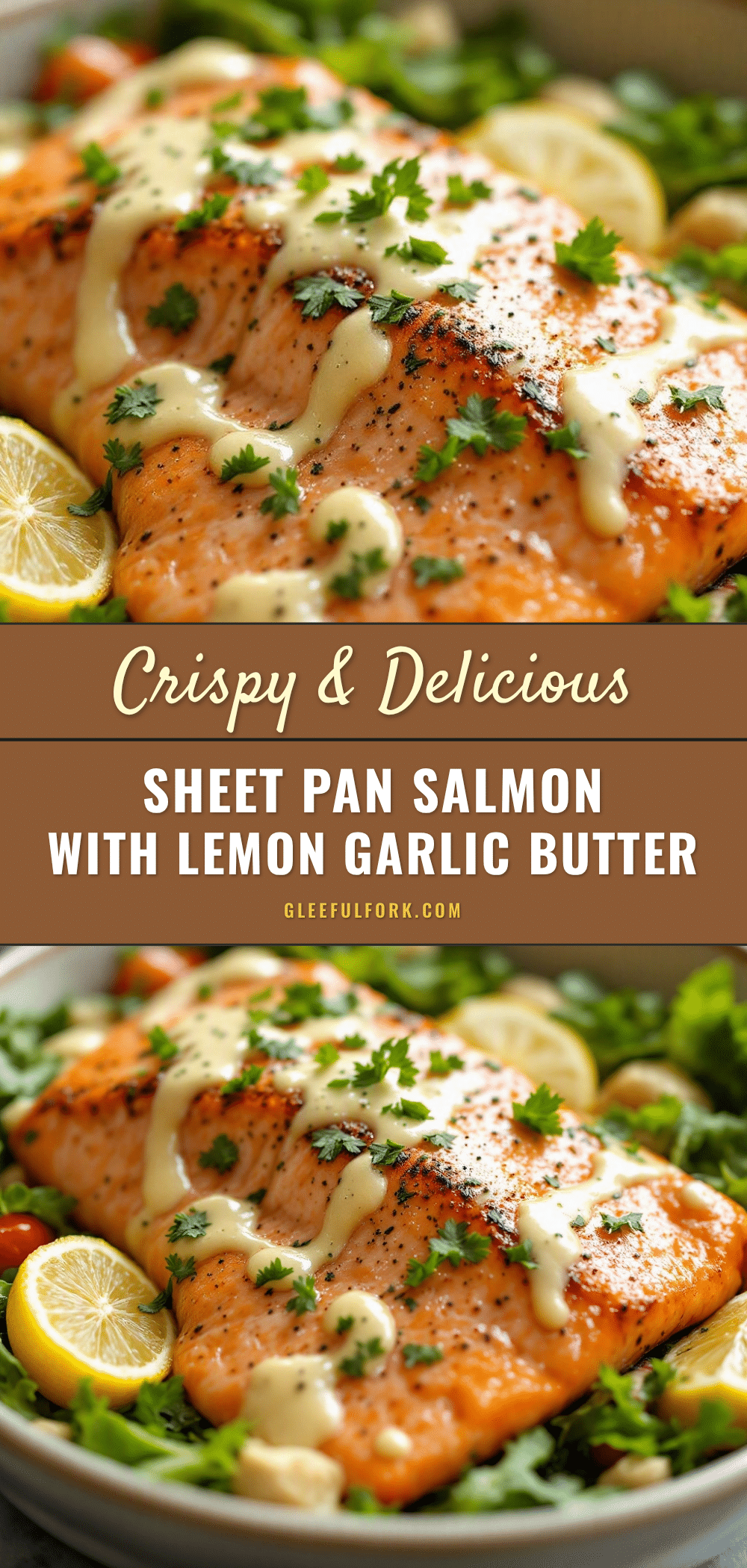
Crispy Sheet Pan Salmon: Easy Lemon Garlic Butter Recipe

A quick and elegant weeknight dinner featuring salmon fillets roasted on a sheet pan with a rich lemon garlic butter sauce, resulting in crispy skin and tender, flaky fish.
- Prep Time: 5 minutes
- Cook Time: 15 minutes
- Total Time: 20 minutes
- Yield: 4 servings 1x
- Category: Main Course
- Cuisine: American
Ingredients
- 4 skin-on salmon fillets (6–8 oz each)
- 4 tbsp unsalted butter
- 3 cloves fresh garlic, minced
- 2 lemons (one for juicing, one for zest)
- 2 tbsp extra virgin olive oil
- 1 tsp dried parsley
- 1/4 tsp red pepper flakes
- Kosher salt
- Black pepper
Instructions
- Preheat oven to 425°F (220°C) and let it fully preheat for at least 10 minutes.
- Pat salmon fillets dry with paper towels and season both sides generously with kosher salt and black pepper.
- Line a rimmed half-sheet pan (13×18 inches) with foil or parchment paper.
- Arrange salmon fillets skin-side down on the pan, ensuring they are not touching.
- In a small bowl or microwave-safe mug, combine melted butter, minced garlic, lemon zest, and red pepper flakes. Whisk until smooth.
- Brush half of the garlic butter mixture over the top of each fillet.
- Roast in the oven for 12-15 minutes. If the fish looks dry after 10 minutes, brush with the remaining garlic butter.
- Salmon is done when it flakes easily with a fork and reaches an internal temperature of 125°F-145°F.
- Remove from oven and let rest for 2-3 minutes.
- Squeeze fresh lemon juice over the top and sprinkle with dried parsley before serving.
Notes
Ensure salmon fillets are dry before seasoning to achieve crispy skin. Do not overcrowd the pan; cook in batches if necessary. For medium-rare, aim for an internal temperature of 125°F. Leftovers can be stored in the refrigerator for up to two days or frozen for up to three months.
Nutrition
- Serving Size: 1 fillet
- Calories: 350
- Sugar: 1
- Sodium: 450
- Fat: 22
- Saturated Fat: 9
- Carbohydrates: 2
- Protein: 34
Keywords: salmon, sheet pan dinner, lemon garlic butter, crispy salmon, quick dinner, healthy seafood, gluten-free, low-carb