Love this? Save it for later!
Share the inspiration with your friends
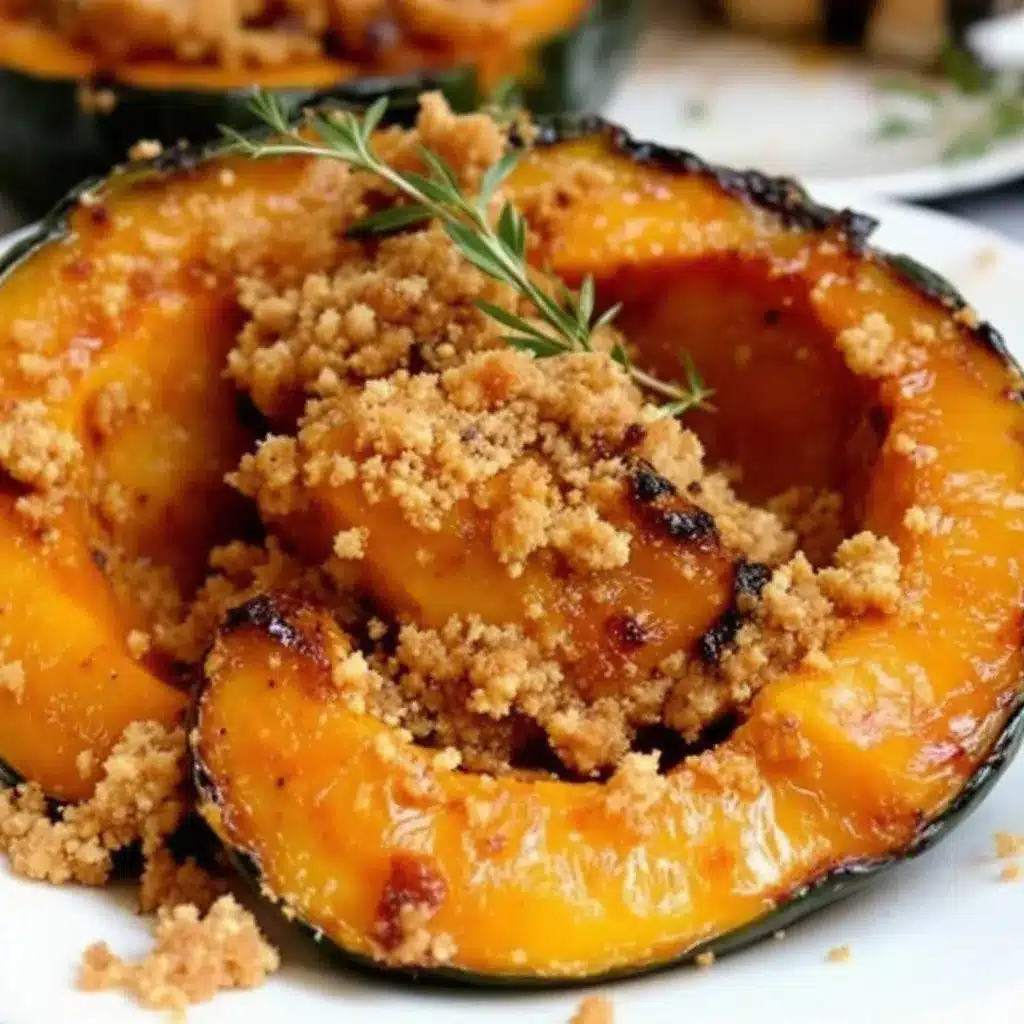
My husband stared at the hollowed-out shell of his acorn squash and then looked at me with a quiet, stunned expression that I haven’t seen since he discovered the joy of a perfectly ripe avocado. He didn’t even reach for his phone to snap a picture first, which is usually his go-to move for anything that looks vaguely photogenic. Instead, he just scooped up the last bit of the caramelized edges with a fork, chewed slowly, and whispered, “I could eat this every single night.” It wasn’t a polite compliment, either. It was the kind of statement that comes from genuine surprise, the kind that happens when you expect a mild, starchy vegetable and get hit with something rich, nutty, and deeply savory.
I honestly wasn’t expecting that kind of reaction. Acorn squash can be a bit of a gamble. Sometimes it turns out watery, sometimes it’s too fibrous, and often it just tastes like… well, squash. But this time, the kitchen smelled like a bakery that had caught fire in the best possible way. The brown butter had toasted the edges of the squash until they were crisp, while the maple syrup created this glossy, sticky glaze that clung to every nook and cranny. Watching him scrape the plate clean made me realize that this wasn’t just a side dish. It was a moment.
There is something deeply grounding about roasting vegetables when the weather starts to turn. The house fills with that warm, buttery aroma that signals comfort without being heavy or overwhelming. This recipe became a staple because it requires very little effort for a massive payoff. You don’t need fancy techniques or expensive ingredients. You just need a little patience to let the butter brown properly and a willingness to trust the process. It’s the kind of dish that makes you feel like a culinary genius, even if you’re just following simple steps. Now, whenever we have a quiet weeknight dinner or a casual gathering, this becomes the star of the table, quietly stealing the show from more complicated mains.
Why You’ll Love This Recipe
Let’s be honest for a second—roasting vegetables can feel like a chore. We’ve all had those evenings where we’re tired, hungry, and the last thing we want to do is chop and stir. But this cozy maple brown butter roasted acorn squash changes the entire game. It’s not just about the convenience, though getting dinner on the table in under an hour is always a win. It’s about the flavor transformation that happens when you stop treating squash like a plain old vegetable and start treating it like a canvas for rich, savory-sweet ingredients.
- Quick & Easy: This recipe comes together in under 45 minutes, which is perfect for busy weeknights when you want something homemade but don’t have hours to spare. The prep is minimal, mostly just halving and seeding the squash.
- Simple Ingredients: No fancy grocery trips needed. You likely already have butter, maple syrup, and basic spices in your kitchen. It relies on pantry staples to create a restaurant-quality result.
- Perfect for Cozy Dinners: Great for holiday mornings, casual weeknight meals, or when you just need a hug on a plate. It brings warmth to the table without requiring a full feast setup.
- Crowd-Pleaser: It always gets rave reviews from kids and adults alike. The sweetness of the maple appeals to picky eaters, while the savory brown butter satisfies adults looking for depth.
- Unbelievably Delicious: The texture and flavor combo is next-level comfort food. The contrast between the crisp, caramelized edges and the tender, creamy interior is addictive.
What makes this recipe different from the rest is the technique of browning the butter. Most people just melt butter over the squash, which is fine, but it lacks that toasted, nutty depth that brown butter provides. By taking the extra two minutes to watch the butter foam and turn amber, you unlock a layer of flavor that makes the maple syrup taste more complex and less like just sugar. It’s a small step that makes a huge difference. This isn’t just another roasted squash recipe—it’s your best version of one.
Connect emotionally by tapping into the why: This recipe isn’t just good—it’s the kind that makes you close your eyes after the first bite. It’s comfort food reimagined—healthier, faster, but with the same soul-soothing satisfaction. Perfect for impressing guests without stress, or turning a simple meal into something memorable. It feels indulgent, but it’s actually just a vegetable, which is a nice little secret to keep up your sleeve.
What Ingredients You Will Need
This recipe uses simple, wholesome ingredients to deliver bold flavor and satisfying texture without the fuss. The beauty of roasted acorn squash lies in how well it pairs with rich fats and natural sweeteners. You don’t need a complicated spice rack or exotic items from a specialty store. Everything here is designed to highlight the natural sweetness of the squash while adding savory notes that balance the dish. Whether you are using fresh squash from a local farm stand or frozen halves from the grocery store, the key is quality over quantity.
- Acorn Squash: Two medium-sized squash, halved and seeded. Look for squash that feels heavy for its size, as this indicates more moisture and flesh. Firm skin is a good sign of freshness.
- Unsalted Butter: Half a cup (one stick). I recommend using a high-quality European-style butter like Plugra or Kerrygold for the best browning results. These have a higher fat content, which helps create that deep, nutty flavor faster.
- Pure Maple Syrup: Three tablespoons. Make sure it’s 100% pure maple syrup, not pancake syrup. The real stuff has a complexity that artificial sweeteners can’t mimic. It adds a subtle earthiness that complements the squash perfectly.
- Extra Virgin Olive Oil: One tablespoon. This helps conduct heat evenly and adds a slight fruity note that balances the richness of the butter.
- Sea Salt: One teaspoon. Flaky sea salt like Maldon is great for finishing, but kosher salt works well for the initial seasoning. It enhances the natural flavors of the vegetable.
- Black Pepper: Half a teaspoon. Freshly cracked pepper adds a bit of heat and aromatic complexity.
- Sage Leaves: Four to six fresh leaves. Sage is the classic pairing for squash. If you don’t have fresh sage, dried sage works, but use only half the amount as it is more potent. Fresh sage adds a vibrant, herbal pop.
- Garlic Cloves: Two cloves, minced. Garlic adds a savory backbone that prevents the dish from being too sweet. Don’t skip this; it rounds out the flavor profile.
For seasonal variations, you can swap the sage for thyme or rosemary if you prefer a different herbal note. In the fall, adding a pinch of nutmeg can enhance the warmth of the dish. If you are looking to substitute, you can use ghee instead of butter for a dairy-free option, though the browning process will be slightly different. The key is to keep the ratios balanced so the squash doesn’t become soggy or overly greasy.
Do I need to peel the acorn squash?
No, you do not need to peel the acorn squash before roasting. The skin becomes soft and edible after roasting, and it actually helps hold the shape of the squash while it cooks. Peeling it raw can be difficult and dangerous due to the hard shell. Just make sure to scoop out the seeds and stringy pulp thoroughly before seasoning.
Equipment Needed
You don’t need a lot of fancy gadgets to pull this off, which is part of the appeal. A large rimmed baking sheet is essential. I prefer a heavy-gauge sheet pan because it distributes heat evenly, preventing hot spots that can burn the butter. If you’re using a flimsy, thin pan, you might end up with unevenly cooked squash. Line it with parchment paper for easy cleanup, because that brown butter and maple syrup will stick if you let it.
A small saucepan or skillet is needed for browning the butter. A light-colored pan is helpful here so you can clearly see the color change of the butter as it foams and turns amber. If you use a dark non-stick pan, it’s harder to judge the color, which might lead to burnt butter and a bitter taste. A wooden spoon or heat-resistant spatula is useful for swirling the butter around the pan to ensure even browning.
A sturdy knife and a large spoon are your main tools for prepping the squash. A chef’s knife with a sharp blade is necessary for cutting through the hard shell. Be careful here; if the squash is very hard, you can microwave it for a minute or two to soften the skin slightly before cutting. A metal spoon works best for scooping out the seeds and strings. Having these tools ready before you start cooking will make the process smooth and stress-free.
Preparation Method
Start by preheating your oven to 400°F (200°C). This high heat is crucial for caramelizing the edges of the squash and getting that nice contrast in texture. While the oven heats up, prepare your squash. Wash the outside of the acorn squash thoroughly to remove any dirt or debris. Place it on a stable cutting board. Using a sharp chef’s knife, carefully cut the squash in half from stem to base. You may need to use some force, so keep your fingers clear of the blade. Once halved, use a large spoon to scrape out the seeds and stringy pulp. You can save the seeds for roasting if you like, but for this recipe, we are focusing on the flesh.
Next, arrange the squash halves cut-side up on your prepared baking sheet. This positioning allows the heat to penetrate the flesh evenly and helps the brown butter pool slightly in the center, creating a flavorful sauce. Drizzle the olive oil over each half, then season generously with salt and pepper. The salt should penetrate the flesh, so don’t be shy with it. Set these aside while you prepare the brown butter sauce, which is the star of the show.
In a small saucepan over medium heat, melt the butter. Watch it closely. As it melts, it will start to foam and bubble. Keep stirring gently with a wooden spoon. You will hear the sizzling change to a quieter sound, and you will see little brown bits forming at the bottom of the pan. This is the milk solids toasting. The butter will smell nutty, almost like hazelnuts or brown rice. This usually takes about 3 to 5 minutes. Do not walk away. If it smells like burnt toast, you’ve gone too far. Once it reaches a deep amber color, remove it from the heat immediately.
Stir in the maple syrup, minced garlic, and chopped sage leaves into the hot brown butter. The mixture will bubble vigorously, so be careful. Pour this aromatic mixture evenly over the squash halves, making sure to get some of the brown bits from the pan into the squash cavities. Return the baking sheet to the oven and roast for 25 to 35 minutes. You are looking for the squash to be tender when pierced with a fork and the edges to be slightly crisp and caramelized.
Once done, remove the pan from the oven. Let the squash rest for 5 minutes. This allows the juices to redistribute and the glaze to set slightly. Serve immediately while hot, drizzling any remaining sauce from the pan over the top. The contrast of the warm, tender squash and the crisp, savory glaze is what makes this dish unforgettable.
Can I use frozen acorn squash?
Yes, you can use frozen acorn squash, but the texture will be softer. Frozen squash often releases more water during cooking, so you may need to roast it for a few minutes longer to evaporate the excess moisture. It’s a convenient option for busy weeks, but fresh squash generally yields a better texture with more distinct caramelization.
Cooking Tips & Techniques
Browning butter is an art form, and it’s the most critical step in this recipe. The key is patience. If you turn the heat up too high, the butter will burn before it develops that nice nutty flavor. Medium heat is your friend here. Listen to the pan. When the sizzling sound subsides and you see the foam turning from white to a light tan, that’s your cue to watch closely. The transition from perfect to burnt happens in seconds. If you catch it too late, the burnt milk solids will make the whole dish bitter. When in doubt, err on the side of lighter; it’s better to have a mild nutty flavor than a charred one.
Another common mistake is overcrowding the baking sheet. If you stack the squash halves or place them too close together, they will steam instead of roast. This prevents the edges from crisping up. Give each half plenty of space on the pan. If you are roasting more than two squash, use two baking sheets and rotate them halfway through cooking. This ensures even browning and prevents one side from cooking faster than the other.
Adding the garlic at the wrong time can lead to burnt garlic bits, which taste acrid. Since the brown butter is hot, adding the minced garlic right after removing the pan from the heat allows it to infuse the butter without burning. The residual heat is enough to cook the garlic gently and release its aroma. This subtle technique makes a big difference in the final flavor profile, keeping the garlic sweet and savory rather than sharp and bitter.
Multitasking is key here. While the squash is roasting, you can prepare other components of your meal. The squash has a long cooking time, so it’s very forgiving. You can chop other vegetables or start a main dish while the squash caramelizes in the oven. Just keep an eye on the brown butter preparation timing so you don’t have a cold pan waiting when the squash is done. Timing the brown butter to happen in the last 10 minutes of roasting ensures everything comes together hot and fresh.
Variations & Adaptations
One of the best things about this recipe is how adaptable it is. You can tweak it to fit your dietary needs or flavor preferences without losing the core appeal. For a dairy-free version, substitute the butter with olive oil or a high-quality dairy-free butter alternative. Note that you won’t get the nutty brown butter flavor, so you might want to add a pinch of smoked paprika or toasted walnuts for depth. The maple syrup and sage will still shine through, keeping the dish flavorful.
If you are looking for a spicy kick, add a pinch of red pepper flakes or a dash of cayenne pepper to the brown butter mixture. The heat cuts through the richness of the butter and maple syrup, creating a sweet and spicy profile that is incredibly addictive. This variation works especially well if you are serving the squash alongside rich meats like pork or duck. It adds a layer of complexity that surprises the palate.
For a savory twist, omit the maple syrup entirely and replace it with a balsamic glaze. Toss the roasted squash in a mixture of brown butter, rosemary, and a drizzle of aged balsamic vinegar. This creates a more sophisticated, adult-oriented side dish that pairs beautifully with salads or grilled fish. The acidity of the balsamic balances the fat, making the dish feel lighter and fresher.
I also like to add chopped pecans or walnuts to the mix. Sprinkle toasted nuts over the squash before serving for added crunch. The nuts complement the earthy flavor of the squash and the nuttiness of the brown butter. This variation adds a textural element that makes the dish more interesting to eat. It’s a simple addition that elevates the presentation and makes the dish feel more festive and special.
Is acorn squash low-carb?
Acorn squash is moderate in carbohydrates, containing about 12 grams of carbs per cup when cooked. While it is not keto-friendly due to the maple syrup, you can make a low-carb version by omitting the syrup and using a sugar-free maple syrup alternative or just the brown butter and sage. It is a nutritious vegetable that provides fiber and vitamins, making it a healthy addition to most diets.
Serving & Storage Suggestions
This dish is best served immediately while the squash is hot and the glaze is glossy. It pairs wonderfully with roasted chickens, grilled salmon, or even a simple green salad. The richness of the brown butter makes it a perfect companion to lean proteins, adding moisture and flavor to the plate. For a complete meal, serve it alongside a grain like quinoa or wild rice to soak up any extra sauce. It’s also a fantastic addition to a holiday table, where it can stand in for sweeter squash dishes.
Leftovers can be stored in an airtight container in the refrigerator for up to three days. The squash will soften further as it cools, which some people prefer. To reheat, place the squash in the oven at 350°F (175°C) for 10-15 minutes, or microwave it for 1-2 minutes. Reheating in the oven helps restore some of the crispness to the edges, whereas the microwave can make the texture mushy. Avoid reheating in the microwave if you want to maintain the best texture.
The flavors of this dish actually develop over time. The maple syrup and brown butter continue to meld and deepen in flavor as the squash sits in the refrigerator. By the second day, the taste is often more integrated and rich. This makes it a great option for meal prep, as you can enjoy it cold or reheated throughout the week. Just remember to add a fresh sprinkle of salt or pepper before serving to brighten the flavors.
Can I freeze roasted acorn squash?
Yes, you can freeze roasted acorn squash, but the texture may become softer upon thawing. It is best used in soups, smoothies, or purees after freezing. For the best quality, freeze the squash in a single layer on a baking sheet before transferring it to a freezer bag. This prevents clumping and makes it easier to portion out later. It will last in the freezer for up to three months.
Nutritional Information & Benefits
Acorn squash is a nutritional powerhouse, packed with vitamins A and C, which are essential for immune health and skin integrity. It is also a good source of fiber, aiding in digestion and promoting a feeling of fullness. The brown butter adds healthy fats that help absorb these fat-soluble vitamins, making the nutrients more bioavailable. While the maple syrup adds sugar, using a moderate amount keeps the dish balanced and enjoyable.
One serving of this recipe provides a good amount of calories from the fats and carbohydrates, making it a satisfying side dish. The sage adds antioxidants and anti-inflammatory properties, contributing to overall wellness. This dish is naturally gluten-free, making it a safe option for those with celiac disease or gluten sensitivity. It is also vegetarian and can be made vegan with simple substitutions.
From a personal wellness perspective, I love that this recipe allows me to enjoy vegetables without feeling like I’m depriving myself. The richness of the butter and the sweetness of the maple make it feel like a treat, even though it’s essentially a healthy vegetable. It encourages a positive relationship with food, where nutritious choices are also delicious and satisfying. It’s a great way to incorporate more plant-based foods into your diet without sacrificing flavor.
Conclusion
This cozy maple brown butter roasted acorn squash is more than just a side dish; it’s a celebration of simple ingredients coming together to create something extraordinary. The combination of nutty brown butter, sweet maple syrup, and earthy sage creates a flavor profile that is both comforting and sophisticated. It’s easy to make, requires minimal cleanup, and delivers a result that is sure to impress family and friends. I hope you give this recipe a try and experience the magic of roasted squash for yourself.
Feel free to experiment with the variations I suggested, adding your own favorite herbs or spices to make it uniquely yours. Cooking is all about personalization, and this recipe provides a perfect base for creativity. If you make this dish, I’d love to hear how it turned out. Share your thoughts in the comments below, and don’t forget to tag me on social media if you post a photo. Your feedback helps me improve and inspires others to try new recipes.
Thank you for joining me in the kitchen today. I hope this recipe brings warmth and joy to your table. Happy cooking!
What is the best way to store leftover acorn squash?
Store leftovers in an airtight container in the refrigerator for up to three days. Reheat in the oven for best texture, or microwave for quick heating. The flavors deepen over time, making it great for meal prep.
Can I use maple syrup substitute?
Yes, you can use agave nectar or a sugar-free maple syrup alternative. Keep in mind that the flavor profile will change slightly, but the dish will still be delicious. Agave is sweeter, so use less.
Why is my brown butter bitter?
Brown butter becomes bitter if the milk solids burn. This happens if the heat is too high or if you leave it unattended. Always use medium heat and watch closely for the amber color and nutty aroma.
How do I know when the squash is done?
The squash is done when a fork easily pierces through the flesh to the center. The edges should be slightly crisp and caramelized. Cooking time varies based on squash size, so check around the 25-minute mark.
Can I make this recipe ahead of time?
You can prep the squash and brown the butter ahead of time, but it’s best to roast the squash fresh for the best texture. If you must prep ahead, store the seasoned squash in the fridge and roast when ready to serve.
Pin This Recipe!
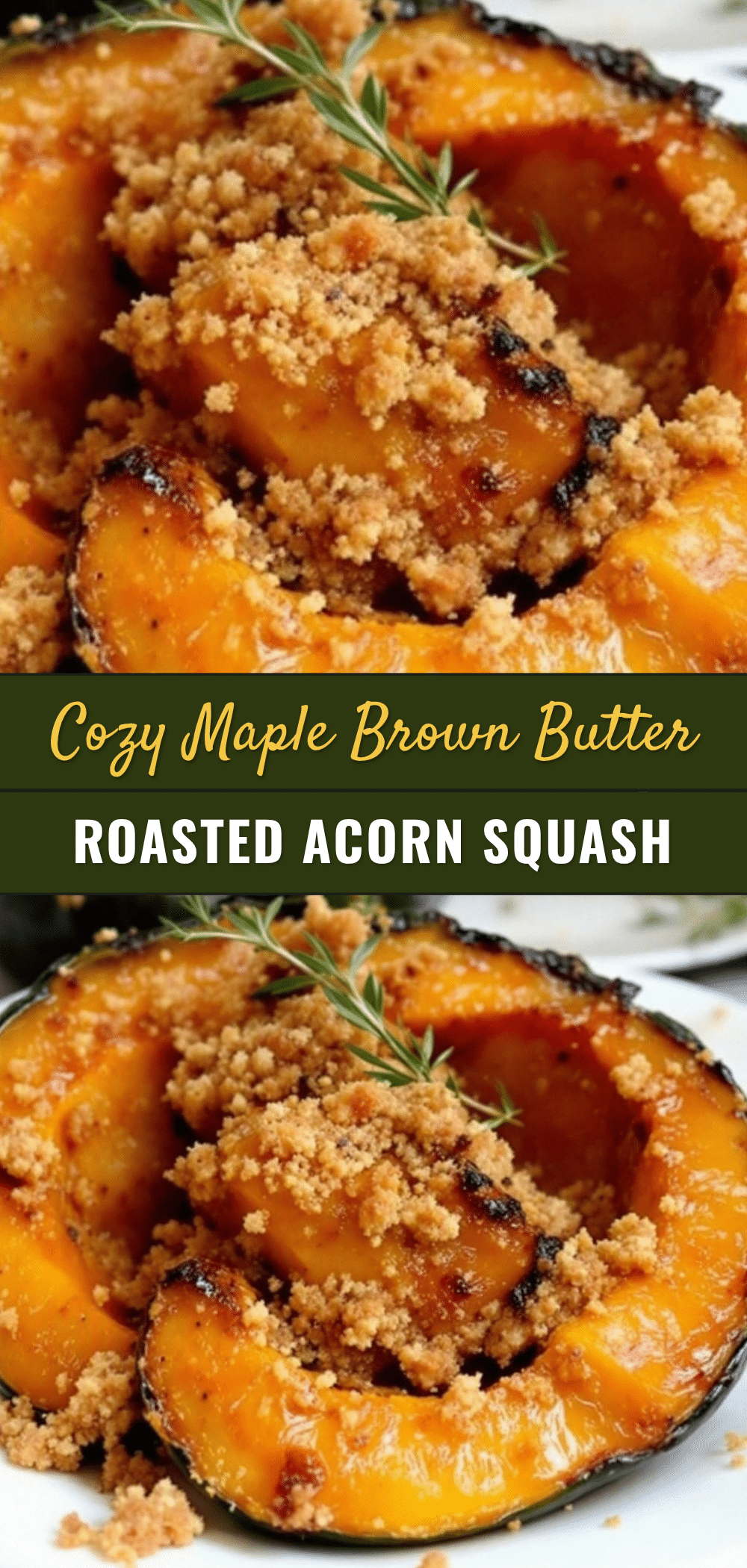
Cozy Maple Brown Butter Roasted Acorn Squash
A rich and savory side dish featuring acorn squash roasted with nutty brown butter, sweet maple syrup, and fresh sage. This easy recipe delivers caramelized edges and tender flesh in under an hour.
- Prep Time: 15 minutes
- Cook Time: 30 minutes
- Total Time: 45 minutes
- Yield: 4 servings 1x
- Category: Side Dish
- Cuisine: American
Ingredients
- 2 medium acorn squash, halved and seeded
- 1/2 cup (1 stick) unsalted butter
- 3 tablespoons pure maple syrup
- 1 tablespoon extra virgin olive oil
- 1 teaspoon sea salt
- 1/2 teaspoon black pepper
- 4–6 fresh sage leaves
- 2 cloves garlic, minced
Instructions
- Preheat oven to 400°F (200°C).
- Wash squash and cut in half from stem to base. Scoop out seeds and pulp.
- Arrange squash halves cut-side up on a parchment-lined baking sheet.
- Drizzle with olive oil and season generously with salt and pepper.
- In a small saucepan over medium heat, melt butter. Stir constantly until it foams, turns amber, and smells nutty (3-5 minutes). Do not burn.
- Remove from heat and stir in maple syrup, minced garlic, and chopped sage.
- Pour the brown butter mixture evenly over the squash halves.
- Roast for 25-35 minutes until squash is tender when pierced with a fork and edges are caramelized.
- Let rest for 5 minutes before serving.
Notes
Do not peel the squash; the skin becomes edible and soft after roasting. Ensure the butter turns amber but does not burn to avoid bitterness. If using frozen squash, roast for a few minutes longer to evaporate excess moisture. For a dairy-free version, substitute butter with olive oil or dairy-free alternative.
Nutrition
- Serving Size: 1/2 squash
- Calories: 280
- Sugar: 14
- Sodium: 450
- Fat: 22
- Saturated Fat: 12
- Carbohydrates: 22
- Fiber: 4
- Protein: 3
Keywords: acorn squash, brown butter, maple syrup, roasted vegetables, fall recipes, side dish, vegetarian, gluten-free, easy dinner