Love this? Save it for later!
Share the inspiration with your friends
I had the garlic butter shrimp pasta in my head before I even opened the fridge. You know that feeling when a specific craving just takes over? It was a Tuesday, I was exhausted, and the thought of chopping a mountain of vegetables or standing over a complicated sauce made me want to order pizza. But I had a bag of frozen shrimp in the freezer (the kind you always keep for emergencies) and a box of angel hair pasta in the pantry. The craving was for something rich, garlicky, and fast—a meal that felt like a treat but didn’t require a trip to the store or an hour of my time. So I grabbed the butter, a head of garlic that was starting to sprout (honestly, it was fine), and a lemon that was rolling around in the crisper drawer. This quick garlic butter shrimp pasta was born from pure, unapologetic hunger and the need for dinner to be ready before my patience ran out. It’s become my go-to for those nights when I need a win in the kitchen without the work.
The first time I made this, I was skeptical. Could something this simple really be that good? (Spoiler: yes.) The butter melts into a glossy sauce, the garlic infuses every drop, and the shrimp cooks in just a few minutes. Toss it with hot pasta and a squeeze of lemon, and you’ve got a meal that tastes like it took twice the time. It’s not fancy, but it’s honest—and honestly, that’s what makes it so good.
Why You’ll Love This Recipe
This isn’t just another pasta recipe. It’s the one you’ll turn to again and again, and here’s why it works so well.
- Ready in 15 Minutes Flat: From the moment you start boiling water to the first bite, this dish is on the table in a quarter of an hour. Perfect for those nights when you’re short on time but still want a real, satisfying meal.
- Simple Pantry Ingredients: You likely have everything you need right now. Shrimp, pasta, butter, garlic, and a lemon. No fancy trips to a specialty store or a list of obscure spices.
- Perfect for Busy Weeknights: Whether it’s a post-work scramble or a lazy evening, this recipe fits the bill. It feels special enough for a quiet date night but is easy enough for a Tuesday.
- A True Crowd-Pleaser: I’ve served this to picky kids and foodie friends, and it disappears every single time. The garlic butter sauce is universally loved, and shrimp is always a hit.
- Unbelievably Delicious: The combination of succulent shrimp, silky pasta, and a rich, garlicky butter sauce is pure comfort. It’s the kind of meal that makes you close your eyes for a second after the first bite.
What sets this recipe apart is the technique. Instead of just tossing everything together, we build the sauce in the same pan we cook the shrimp in. This creates a deeply flavored, emulsified butter sauce that clings to every strand of pasta. It’s not just another version of garlic shrimp pasta—it’s the best version. This recipe is comfort food reimagined: fast, simple, but with the same soul-soothing satisfaction as a slow-cooked Sunday dinner. It’s perfect for impressing guests without the stress, or turning a simple weeknight meal into something memorable.
What Ingredients You Will Need
This recipe uses simple, wholesome ingredients to deliver bold flavor and satisfying texture without any fuss. Most of these are pantry or fridge staples, making it easy to whip up on a whim.
For the Pasta
- 8 ounces angel hair pasta or linguine: I prefer angel hair for its quick cooking time (just 4-5 minutes), but linguine or spaghetti work beautifully too. The thin strands catch the sauce perfectly.
- Salt for the pasta water: Don’t skimp here. The pasta water should taste like the sea. This is your only chance to season the pasta itself.
For the Garlic Butter Shrimp
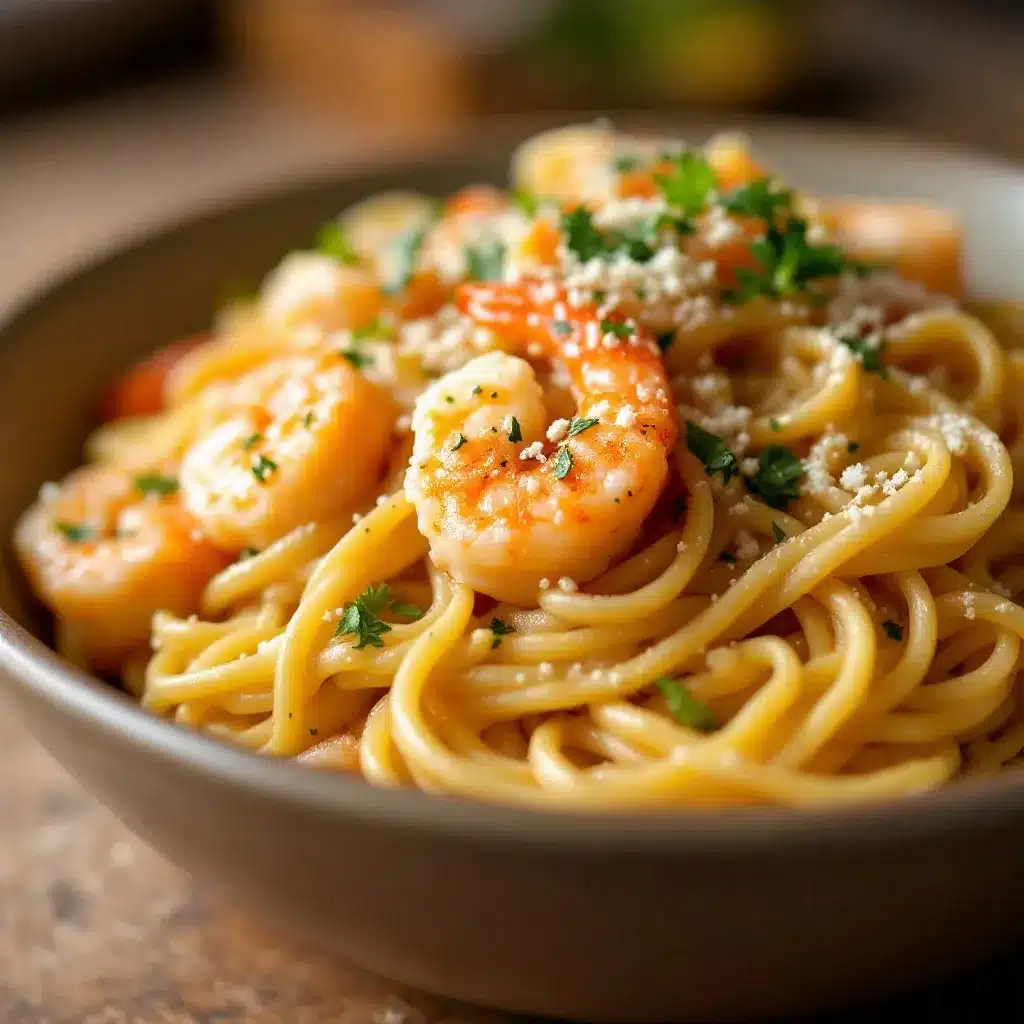
- 1 pound large shrimp (21-25 count), peeled and deveined: I use raw shrimp for the best texture. Frozen shrimp works perfectly—just thaw them under cold running water for a few minutes. Pat them very dry with paper towels before cooking to get a nice sear.
- 4 tablespoons unsalted butter: Butter is the star here. I recommend using a good-quality European-style butter like Kerrygold for a richer, creamier sauce. It makes a noticeable difference.
- 5-6 cloves garlic, minced: Fresh garlic is non-negotiable here. The pre-minced stuff in a jar won’t give you the same punch. I use a microplane to grate it for a finer texture that melts into the butter.
- 1/4 teaspoon red pepper flakes (optional): This adds a gentle warmth without making the dish spicy. Omit it if you’re sensitive to heat.
- Salt and freshly ground black pepper to taste: Season the shrimp right before it hits the pan.
For the Finish
- 1/2 cup reserved pasta water: This is the secret to a silky, emulsified sauce. The starch in the water helps the butter sauce cling to the pasta instead of pooling at the bottom of the bowl.
- Juice of 1/2 a lemon (about 1-2 tablespoons): Fresh lemon juice brightens the richness of the butter and cuts through the garlic. Don’t use bottled juice—it tastes flat.
- 2 tablespoons fresh parsley, chopped: For color and a fresh, herbaceous finish. Flat-leaf Italian parsley is best.
- Freshly grated Parmesan cheese for serving (optional but recommended): A fine grating of Parm adds a salty, nutty note that complements the garlic butter beautifully.
Ingredient Selection Tip: When buying shrimp, look for ones that smell like the ocean, not fishy. If using frozen, check that the bag isn’t frosty or icy, which can indicate freezer burn. For the best texture, I always buy wild-caught shrimp when I can find them.
Equipment Needed
You don’t need a professional kitchen to make this, but having the right tools makes the process smoother.
- Large pot for boiling pasta: A 5-6 quart pot is ideal. You need enough water for the pasta to move freely.
- Large skillet or sauté pan: A 12-inch pan gives the shrimp enough room to sear without steaming. I love my trusty stainless steel pan for this—it gets a great sear on the shrimp.
- Colander: For draining the pasta. Don’t rinse it! You need the starch.
- Chef’s knife and cutting board: For mincing garlic and chopping parsley.
- Microplane or garlic press: A microplane makes mincing garlic into a paste effortless. A garlic press works too, but you’ll get a slightly chunkier texture.
- Measuring spoons and a liquid measuring cup: For accuracy, especially with the pasta water and lemon juice.
- Tongs: Essential for tossing the pasta with the sauce and serving.
Budget-Friendly Option: If you don’t have a microplane, just mince the garlic as finely as you can with a knife. A good sharp knife is a worthwhile investment for any home cook.
Preparation Method
This comes together in a flash, so have everything prepped and ready before you start cooking. It’s a 15-minute sprint, not a marathon.
- Start the pasta water. Fill your large pot with water, season it generously with salt (about 1 tablespoon per gallon of water), and bring it to a rolling boil over high heat. This is your first and most important step—don’t wait until the shrimp is almost done.
- Prep your ingredients. While the water comes to a boil, mince the garlic, chop the parsley, and cut the lemon in half. Pat the shrimp dry with paper towels and season them lightly with salt and a few cracks of black pepper. Having everything ready to go makes the next few minutes stress-free.
- Cook the pasta. Once the water is at a full boil, add the angel hair pasta and cook according to the package directions (usually 4-5 minutes for angel hair). Stir it once or twice to prevent sticking. Before you drain the pasta, scoop out 1 cup of the starchy pasta water and set it aside. This is crucial. Then, drain the pasta in a colander—do not rinse it.
- Sear the shrimp. While the pasta cooks, place your large skillet over medium-high heat and add 2 tablespoons of the butter. Let it melt and foam. When the butter is sizzling, add the shrimp in a single layer (you may need to do this in two batches if your pan is small). Cook for 1-2 minutes per side, until they are pink, opaque, and have a nice golden-brown sear. The shrimp should curl slightly into a “C” shape. Transfer the cooked shrimp to a plate and set aside.
- Build the garlic butter sauce. Reduce the heat to medium-low and add the remaining 2 tablespoons of butter to the same pan. Once melted, add the minced garlic and red pepper flakes (if using). Cook for about 30-60 seconds, stirring constantly, until the garlic is fragrant but not browned. Burnt garlic turns bitter, so keep a close eye on it. Your kitchen will smell incredible at this point.
- Combine everything. Add the drained pasta and the cooked shrimp back to the skillet with the garlic butter. Pour in about 1/2 cup of the reserved pasta water and the lemon juice. Use your tongs to toss everything together vigorously for about a minute. The starch from the pasta water will emulsify with the butter, creating a glossy, creamy sauce that coats every strand. If the sauce seems too thick, add a splash more pasta water until it reaches your desired consistency.
- Finish and serve. Remove the pan from the heat. Toss in the fresh parsley and give it one final stir. Taste and adjust seasoning with more salt, pepper, or lemon juice if needed. Serve immediately in warm bowls, with a generous grating of Parmesan cheese on top if you like.
Sensory Cue: When the garlic hits the hot butter, you should smell a warm, nutty aroma almost instantly—that’s your cue that it’s ready for the next step. The finished sauce should look silky and coat the back of a spoon, not be watery or greasy.
Cooking Tips & Techniques
I’ve made this recipe more times than I can count, and I’ve learned a few things along the way. These tips will help you nail it every time.
- Don’t overcook the shrimp. This is the most common mistake. Shrimp cook in a flash, and they go from perfectly tender to rubbery in seconds. The moment they turn pink and curl into a loose “C” shape, they’re done. If they curl into a tight “O,” they’re overcooked. Take them out of the pan as soon as they’re cooked.
- Reserve more pasta water than you think you need. I always save a full cup, even though I usually only use half. It’s better to have extra than to be scrambling for more liquid to loosen the sauce. The starchy water is liquid gold for creating a silky, restaurant-quality sauce.
- Use cold butter for the sauce. If you’re feeling fancy, you can add the final tablespoon of butter off the heat, swirling it in until it melts. This technique, called “mounting” the sauce, creates an even richer, more emulsified finish. I do this when I want to feel like a real chef.
- Taste as you go. This is the single best habit you can develop in the kitchen. Taste the sauce before you add the pasta. Taste the finished dish. Adjust the salt, lemon, or pepper until it sings. Your palate is the best tool you have.
- Work quickly and efficiently. This recipe is designed to be fast. Have your ingredients prepped, your tools ready, and your mindset focused. The whole process from start to finish should feel like a well-choreographed dance, not a frantic scramble.
I once forgot to reserve the pasta water. I ended up adding plain water to the sauce, and it was a sad, watery mess. The pasta was clumpy, and the sauce didn’t cling at all. Learn from my mistake—never skip the pasta water step. It’s the non-negotiable secret to success.
Variations & Adaptations
This recipe is a fantastic base that you can adapt to your taste, dietary needs, or what you have on hand. Here are a few of my favorite ways to change it up.
- Make it spicy: Add an extra 1/2 teaspoon of red pepper flakes, or toss in a finely chopped fresh chili (like a serrano or Thai bird chili) with the garlic. For a smoky heat, stir in 1/2 teaspoon of smoked paprika along with the garlic.
- Add vegetables: This is a great way to use up leftover veggies. Toss in a handful of fresh spinach or arugula at the very end and let it wilt in the residual heat. Sauté some sliced mushrooms or chopped asparagus with the garlic for extra texture and flavor. You could even add some halved cherry tomatoes along with the pasta water—they’ll burst and create a lovely, slightly sweet sauce.
- Go gluten-free: Simply swap the regular pasta for your favorite gluten-free variety. I’ve had great luck with brown rice pasta or chickpea pasta. Just be sure to cook it according to the package directions and reserve the pasta water as usual.
- Make it dairy-free: Substitute the butter with a high-quality vegan butter or a generous glug of good olive oil. The olive oil version is a classic Italian preparation called “aglio e olio” with shrimp—it’s lighter but just as flavorful. Use a dairy-free Parmesan alternative for serving.
- Try a protein swap: Don’t have shrimp? Diced chicken breast, sliced Italian sausage, or even firm tofu (pressed and cubed) work wonderfully. Just adjust the cooking time accordingly. Chicken will need a few extra minutes per side.
- Add a splash of white wine: For a more sophisticated flavor, add 1/4 cup of dry white wine (like Pinot Grigio or Sauvignon Blanc) to the pan after the garlic has cooked. Let it simmer for a minute to cook off the alcohol before adding the pasta water. It adds a beautiful depth of flavor.
My personal favorite variation is adding a handful of halved cherry tomatoes and a handful of fresh basil along with the parsley. The sweetness of the tomatoes against the rich garlic butter is absolutely divine. It feels like summer on a plate.
Serving & Storage Suggestions
This dish is best enjoyed immediately, but here’s how to make the most of it.
Serving: Serve the pasta in warmed shallow bowls to keep it hot longer. A generous sprinkle of fresh parsley and a grating of Parmesan cheese on top adds a beautiful finishing touch. A final squeeze of lemon juice over each serving brightens everything up. This pasta is a complete meal on its own, but it pairs beautifully with a simple green salad dressed with a lemon vinaigrette or some crusty bread to soak up any leftover garlic butter sauce. For a more substantial meal, serve it alongside some crispy garlic butter grilled street corn with cotija and lime for a fantastic summer dinner spread.
Storage: This pasta is best eaten fresh, as the sauce can become oily and the pasta can soften upon reheating. If you have leftovers, store them in an airtight container in the refrigerator for up to 2 days. The flavors will meld, but the texture will change.
Reheating: The best way to reheat leftovers is in a skillet over medium-low heat. Add a splash of water or chicken broth to help loosen the sauce, and toss gently until heated through. You can also microwave it in 30-second intervals, stirring in between, but the texture won’t be as good. Avoid high heat, which can make the shrimp rubbery.
Make-Ahead Tip: You can cook the shrimp and prep the garlic, parsley, and lemon juice up to a day in advance. Store the cooked shrimp separately in the fridge. When you’re ready to eat, just cook the pasta and assemble the dish. This cuts the active cooking time down to about 10 minutes.
Nutritional Information & Benefits
This dish is a satisfying balance of protein, healthy fats, and carbohydrates. Here’s a quick look at what you’re getting in one serving (based on 4 servings, without Parmesan).
| Nutrient | Approximate Value Per Serving |
|---|---|
| Calories | 450-500 |
| Protein | 30g |
| Fat | 18g |
| Carbohydrates | 45g |
| Fiber | 3g |
| Iron | 25% of Daily Value |
| Vitamin B12 | 50% of Daily Value |
Health Benefits: Shrimp is an excellent source of lean protein and is packed with selenium, vitamin B12, and iodine, which support thyroid function and metabolism. Garlic is known for its immune-boosting and anti-inflammatory properties. When you use good-quality butter in moderation, it provides fat-soluble vitamins like A, D, and K2. This meal is naturally low in sugar and can be part of a balanced, healthy diet. For a lighter option, you can use whole wheat pasta for extra fiber.
Dietary Considerations: This recipe is naturally nut-free and egg-free. To make it gluten-free, simply use your favorite gluten-free pasta. For a dairy-free version, swap the butter for olive oil. Shellfish is a common allergen, so be mindful if serving to guests with sensitivities.
Conclusion
This quick garlic butter shrimp pasta is more than just a weeknight dinner—it’s a lifeline. It’s the meal you turn to when you need something delicious, fast, and reliable. It proves that you don’t need a long list of ingredients or hours in the kitchen to create a dish that feels special. The garlic butter sauce is pure comfort, the shrimp is perfectly tender, and the whole thing comes together in the time it takes to set the table.
I love this recipe because it’s a reminder that cooking doesn’t have to be complicated to be wonderful. It’s about using simple, good ingredients and treating them with respect. I encourage you to make this your own—add a little extra lemon, throw in some spinach, or pile on the Parmesan. Play with it, taste it, and make it yours. When you do, I’d love to hear about it. Leave a comment below and tell me how it turned out, or share your own twist on this classic. Happy cooking, friend!
Frequently Asked Questions
Can I use frozen shrimp for this recipe?
Absolutely! Frozen shrimp is a fantastic convenience. The key is to thaw them properly. Place the frozen shrimp in a colander and run cold water over them for 5-10 minutes, or until they are completely thawed. Pat them very dry with paper towels before cooking to ensure they sear, not steam.
What if I don’t have angel hair pasta?
No problem at all. Any long, thin pasta will work beautifully. Linguine, spaghetti, or even fettuccine are great choices. Just be sure to cook it according to the package directions and reserve the starchy pasta water. The cooking time will vary, so adjust your timing accordingly.
Can I make this recipe without butter?
Yes, you can. For a dairy-free or lighter version, substitute the butter with a high-quality extra virgin olive oil. The flavor will be different—more fruity and peppery—but it’s a classic and delicious preparation. You can also use a good-quality vegan butter if you prefer.
How do I prevent the garlic from burning?
Burned garlic is bitter and can ruin a dish. To prevent it, always cook the garlic over medium-low heat, not high heat. The butter should be melted and foamy, but not browning. Stir the garlic constantly for just 30-60 seconds until it’s fragrant. The moment you smell that nutty, savory aroma, it’s ready for the next step.
Can I add other proteins or vegetables?
Definitely! This recipe is a fantastic base for customization. For protein, try diced chicken breast, sliced Italian sausage, or firm tofu. For vegetables, sauté mushrooms, asparagus, or bell peppers with the garlic. A handful of fresh spinach or cherry tomatoes stirred in at the end is also wonderful. Feel free to get creative with what you have on hand.
Pin This Recipe!
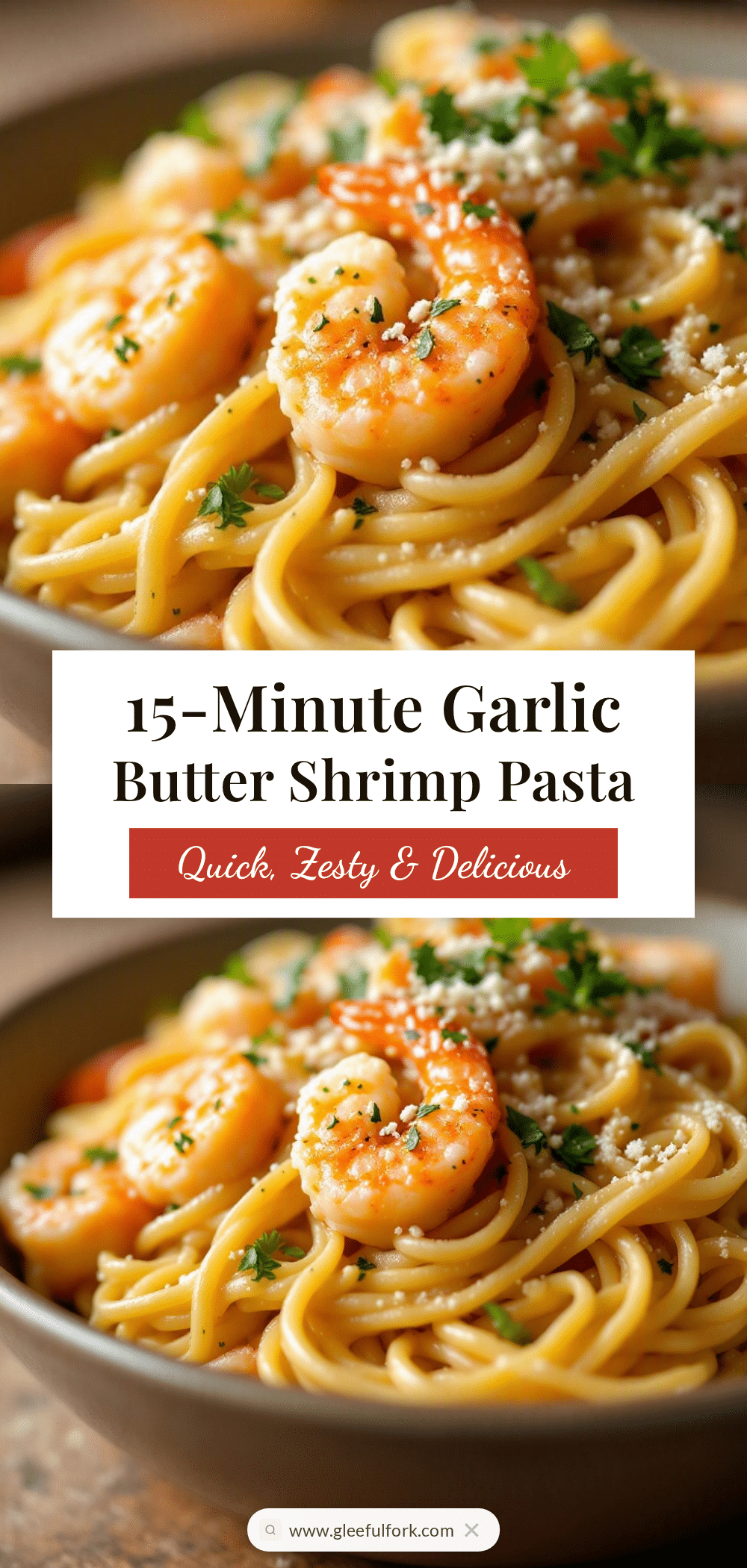
Quick Garlic Butter Shrimp Pasta – Easy 15-Minute Dinner
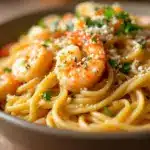
A rich, garlicky, and fast weeknight dinner made with simple pantry ingredients. Succulent shrimp and silky angel hair pasta are tossed in a glossy garlic butter sauce with a squeeze of lemon, ready in just 15 minutes.
- Prep Time: 5 minutes
- Cook Time: 10 minutes
- Total Time: 15 minutes
- Yield: 4 servings 1x
- Category: Main Course
- Cuisine: Italian-American
Ingredients
- 8 ounces angel hair pasta or linguine
- Salt for the pasta water
- 1 pound large shrimp (21–25 count), peeled and deveined
- 4 tablespoons unsalted butter
- 5–6 cloves garlic, minced
- 1/4 teaspoon red pepper flakes (optional)
- Salt and freshly ground black pepper to taste
- 1/2 cup reserved pasta water
- Juice of 1/2 a lemon (about 1–2 tablespoons)
- 2 tablespoons fresh parsley, chopped
- Freshly grated Parmesan cheese for serving (optional)
Instructions
- Start the pasta water. Fill your large pot with water, season it generously with salt (about 1 tablespoon per gallon of water), and bring it to a rolling boil over high heat.
- Prep your ingredients. While the water comes to a boil, mince the garlic, chop the parsley, and cut the lemon in half. Pat the shrimp dry with paper towels and season them lightly with salt and a few cracks of black pepper.
- Cook the pasta. Once the water is at a full boil, add the angel hair pasta and cook according to the package directions (usually 4-5 minutes for angel hair). Stir it once or twice to prevent sticking. Before you drain the pasta, scoop out 1 cup of the starchy pasta water and set it aside. Then, drain the pasta in a colander—do not rinse it.
- Sear the shrimp. While the pasta cooks, place your large skillet over medium-high heat and add 2 tablespoons of the butter. Let it melt and foam. When the butter is sizzling, add the shrimp in a single layer (you may need to do this in two batches if your pan is small). Cook for 1-2 minutes per side, until they are pink, opaque, and have a nice golden-brown sear. Transfer the cooked shrimp to a plate and set aside.
- Build the garlic butter sauce. Reduce the heat to medium-low and add the remaining 2 tablespoons of butter to the same pan. Once melted, add the minced garlic and red pepper flakes (if using). Cook for about 30-60 seconds, stirring constantly, until the garlic is fragrant but not browned.
- Combine everything. Add the drained pasta and the cooked shrimp back to the skillet with the garlic butter. Pour in about 1/2 cup of the reserved pasta water and the lemon juice. Use your tongs to toss everything together vigorously for about a minute. If the sauce seems too thick, add a splash more pasta water until it reaches your desired consistency.
- Finish and serve. Remove the pan from the heat. Toss in the fresh parsley and give it one final stir. Taste and adjust seasoning with more salt, pepper, or lemon juice if needed. Serve immediately in warm bowls, with a generous grating of Parmesan cheese on top if you like.
Notes
Reserve more pasta water than you think you need—it’s the secret to a silky sauce. Don’t overcook the shrimp; they should curl into a loose ‘C’ shape. For a richer sauce, add the final tablespoon of butter off the heat, swirling until melted. Taste as you go and adjust seasoning.
Nutrition
- Serving Size: 1 serving (about 1/4
- Calories: 475
- Sugar: 2
- Sodium: 800
- Fat: 18
- Saturated Fat: 10
- Carbohydrates: 45
- Fiber: 3
- Protein: 30
Keywords: garlic butter shrimp pasta, quick shrimp pasta, 15-minute dinner, weeknight pasta, garlic shrimp, easy shrimp recipe