Love this? Save it for later!
Share the inspiration with your friends
I want roasted delicata squash right now. Not in an hour after peeling and wrestling with some tough winter squash. Delicata. The one squash you don’t need to peel because the skin is thin and tender enough to eat. I have the maple syrup in the pantry, the olive oil on the counter, and a few delicata squash sitting in a bowl looking almost too pretty to cut. Almost. The thing is, I used to walk right past delicata at the farmer’s market. I’d grab butternut or acorn instead because those felt like “real” squash. But then a friend handed me a slice of this at a fall dinner party, and I took one bite and honestly felt a little annoyed at all the time I’d wasted peeling butternut squash. This one is just easier. And better, if I’m being honest.
The first time I made maple glazed roasted delicata squash at home, I sliced it unevenly—some pieces were paper-thin, others were thick chunks. Half of it burned, and the other half was undercooked. But the flavor was there. That sweet-savory combo of maple syrup caramelizing on the edges while the squash gets tender and almost buttery inside. I kept making it, getting better each time, until I figured out the exact timing and temperature that makes the edges crispy and the centers creamy. Now it’s my go-to side dish for pretty much everything from weeknight dinners to holiday feasts.
This recipe sticks because it’s simple enough for a Tuesday but looks fancy enough for company. You just slice the squash, toss it with a few pantry ingredients, and roast until golden and caramelized. No peeling, no complicated steps, no special equipment. It’s the kind of recipe that makes you feel like you actually know what you’re doing in the kitchen. And honestly, that’s the best kind of recipe to have in your back pocket.
Why You’ll Love This Recipe
Let me tell you why this easy maple glazed roasted delicata squash recipe has become my most-requested side dish. I’ve tested this recipe at least a dozen times to get the caramelization just right without burning the maple syrup. The result is consistently perfect every single time.
- Quick & Easy: From cutting board to table in under 30 minutes. No peeling required. Just slice, toss, and roast. Perfect for busy weeknights when you want something delicious without spending an hour in the kitchen.
- Simple Ingredients: You likely have everything in your pantry right now. Maple syrup, olive oil, salt, pepper, and maybe some cinnamon or cayenne if you’re feeling adventurous. No fancy grocery store trips needed.
- Perfect for Fall & Holidays: This dish fits right in at Thanksgiving, Friendsgiving, or any cozy autumn dinner. The maple glaze gives it that festive feel without any complicated techniques.
- Crowd-Pleaser: I’ve served this to picky eaters, vegetable skeptics, and full-on squash lovers. Everyone goes back for seconds. The sweet maple coating makes it approachable even for folks who think they don’t like squash.
- Unbelievably Delicious: The edges get crispy and caramelized while the inside stays tender and creamy. It’s like eating candy, but it’s vegetables. The flavor combo is next-level comfort food that feels indulgent but is actually pretty healthy.
What makes this recipe different from every other roasted squash recipe out there? It’s the timing. Most recipes tell you to roast at 400°F for 25-30 minutes, but that burns the maple syrup before the squash is fully cooked. I found that starting at a higher temperature for a shorter time, then finishing with a quick broil, gives you perfectly caramelized edges without any bitterness. It’s a small tweak that makes a huge difference. I learned this the hard way after ruining three batches of squash. But hey, now you get to skip all that trial and error.
This recipe is the kind that makes you close your eyes after the first bite. It’s comfort food reimagined—healthier, faster, but with the same soul-soothing satisfaction. Perfect for impressing guests without stress, or turning a simple weeknight dinner into something memorable. Plus, it pairs beautifully with so many main dishes, like this tender Instant Pot pulled pork or a simple roast chicken.
What Ingredients You Will Need
This recipe uses simple, wholesome ingredients to deliver bold flavor and satisfying texture without the fuss. Most of these are pantry staples, and the ones that aren’t are easy to find at any grocery store during fall and winter.
- Delicata squash (2 medium-sized): Look for squash that feels heavy for its size with firm, unblemished skin. The skin should be a creamy yellow with green stripes. Avoid any squash with soft spots or mold. I prefer organic when I can find it, but conventional works just fine. One medium delicata squash yields about 2 cups of sliced rings. (Note: delicata squash is smaller than butternut, so don’t confuse them at the store.)
- Pure maple syrup (3 tablespoons): Please use real maple syrup, not pancake syrup. The flavor is completely different. Grade A dark amber works best here because it has a stronger maple flavor that stands up to roasting. I personally use the brand from my local farm stand, but any pure maple syrup will work. If you only have light amber, that’s fine too—just know the flavor will be slightly more subtle.
- Extra virgin olive oil (2 tablespoons): Use a good quality olive oil here since it’s a primary flavor component. I like California Olive Ranch for everyday cooking. Avoid using extra-light olive oil or vegetable oil because you want that fruity flavor to complement the maple.
- Kosher salt (1 teaspoon): I use Diamond Crystal kosher salt. If you’re using Morton’s or fine table salt, reduce to ½ teaspoon. Salt is crucial here because it balances the sweetness of the maple syrup and brings out the natural flavor of the squash.
- Freshly ground black pepper (½ teaspoon): Freshly ground makes a difference. Pre-ground pepper loses its punch over time. The pepper adds a subtle warmth that plays nicely with the maple.
- Cinnamon (½ teaspoon, optional): This adds warmth and makes the dish feel cozier. I add it when I’m serving this alongside fall or holiday meals. Skip it if you want the maple flavor to shine solo.
- Cayenne pepper (⅛ teaspoon, optional): This is my secret weapon. Just a tiny pinch adds heat that you won’t even register as spicy, but it makes the sweet and savory flavors pop. My husband hates spicy food but loves this version because the heat is so subtle.
- Fresh thyme (4-5 sprigs, optional): Adds an earthy, herbal note that contrasts beautifully with the sweet maple glaze. Strip the leaves and sprinkle them over the squash before roasting. Rosemary also works well here.
Substitution guidance: If you don’t have maple syrup, honey works as a substitute but the flavor will be different—more floral, less woodsy. For a lower-sugar option, use just 2 tablespoons of maple syrup and add an extra tablespoon of olive oil. If you’re avoiding oil altogether, you can roast the squash with just the maple syrup, but it won’t get as crispy. For a savory twist, skip the maple syrup entirely and use balsamic vinegar instead—it caramelizes beautifully and gives a tangy-sweet result that’s equally delicious.
Equipment Needed
You don’t need much for this recipe, which is part of why I love it so much. Here’s what you’ll need:
- Sharp chef’s knife (8-inch recommended): A sharp knife is non-negotiable here. Delicata squash is easier to cut than butternut, but a dull knife will still make the job frustrating. I use my Wusthof chef’s knife and it glides right through. If your knife is dull, run it through a honing steel before starting.
- Cutting board: Any sturdy cutting board works. I prefer a large wooden board because it doesn’t slide around. Avoid glass cutting boards—they’re hard on your knife and slippery.
- Large mixing bowl: You need enough room to toss the squash rings with the glaze without making a mess. A standard 4-quart bowl works perfectly.
- Baking sheet (half-sheet pan, 18×13 inches): A rimmed baking sheet is important because the maple glaze can bubble up and drip. I use a heavy-duty aluminum sheet pan. Dark-colored pans will brown the squash faster, so keep an eye on the timing if you’re using one. If you only have a smaller pan, use two pans to avoid overcrowding.
- Parchment paper (optional but recommended): Lining your baking sheet with parchment makes cleanup a breeze. The maple syrup can caramelize onto the pan and be a pain to scrub off. Silicone baking mats also work well here. If you don’t have either, lightly grease your pan with cooking spray.
- Measuring spoons: For the maple syrup, olive oil, and spices. I recommend using actual measuring spoons rather than eyeballing it—the ratios matter for the glaze consistency.
- Spatula or tongs: For flipping the squash halfway through roasting. Tongs give you more control, but a wide spatula works too.
Budget-friendly options: Don’t have a half-sheet pan? A 9×13 baking dish works in a pinch, though the squash won’t get as crispy since the sides are higher and trap steam. No parchment paper? Just grease your pan well with cooking spray or a thin layer of oil. You can also use a silicone baking mat if you have one. The key is making sure the squash has enough room to spread out in a single layer.
Preparation Method
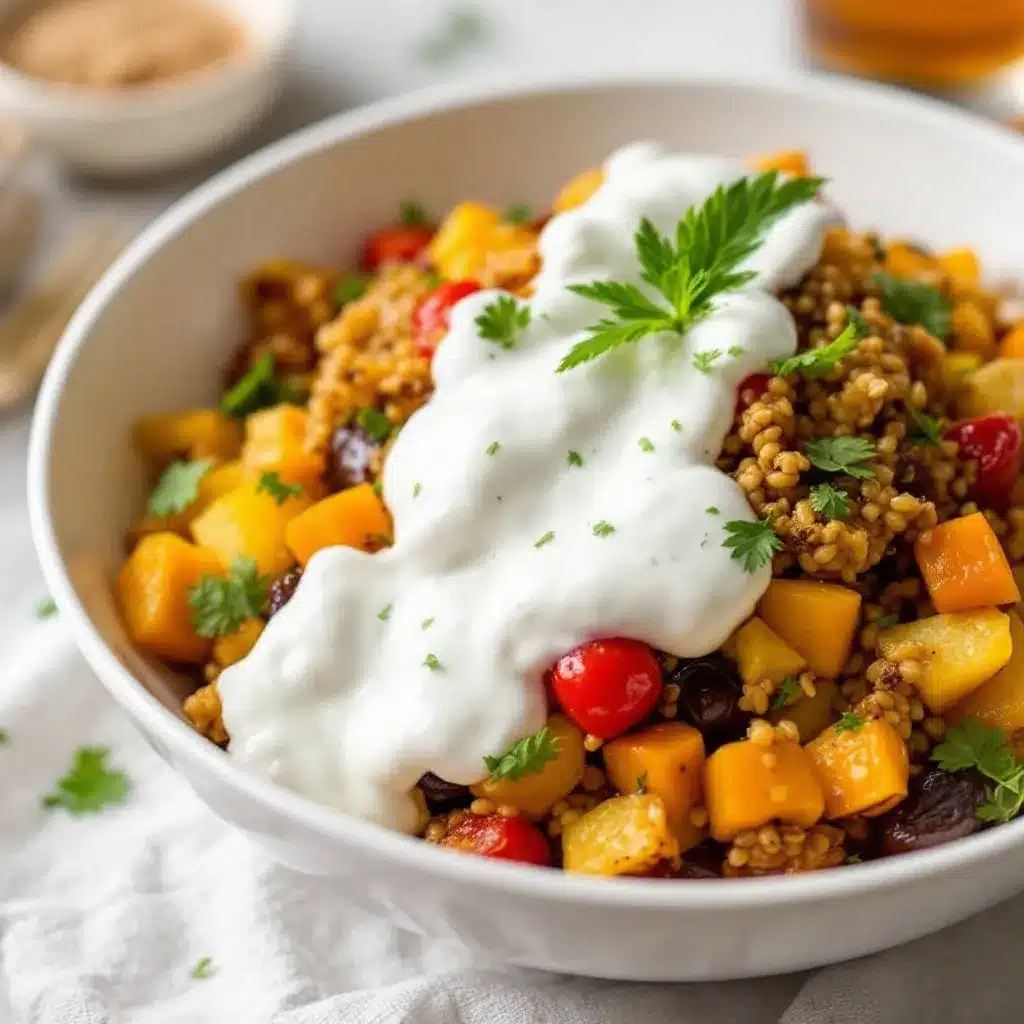
Let’s get cooking. This recipe comes together quickly, so I recommend having all your ingredients measured and ready before you start. Trust me on this one—it makes the whole process smoother.
- Preheat your oven to 425°F (218°C). Position the rack in the middle of the oven. Give it a full 15-20 minutes to come to temperature. A properly preheated oven is crucial for getting those caramelized edges. While the oven heats, line your baking sheet with parchment paper if you’re using it.
- Wash and dry the delicata squash. Give them a good rinse under cool water and scrub gently with your hands to remove any dirt. Pat them completely dry with a clean kitchen towel. Moisture is the enemy of caramelization, so don’t skip this step. If the squash feels damp, let it air dry for a few minutes.
- Slice off the ends. Using your sharp chef’s knife, cut about ¼ inch off both the stem end and the blossom end of each squash. This creates a flat surface and removes the tough bits. Discard the ends or compost them.
- Cut the squash in half lengthwise. Stand the squash on one of the flat ends and slice straight down through the center. You’ll see the seed cavity exposed. If your knife gets stuck, rock it gently back and forth rather than forcing it straight down.
- Scoop out the seeds. Use a spoon to scrape out the seeds and stringy pulp from each half. A grapefruit spoon with serrated edges works great here, but any regular spoon will do. Don’t worry about getting every single seed—a few left behind won’t hurt. Save the seeds to roast later if you’re feeling ambitious! They make a great snack.
- Slice into half-moons or rings. Place each squash half cut-side down and slice crosswise into ½-inch thick pieces. If you want rings instead of half-moons, don’t cut the squash in half first—just slice the whole squash into rings, then scoop out the seeds from each ring. Both shapes work, but rings look prettier on the plate. Aim for uniform thickness so everything cooks evenly. I use a ruler the first few times until I got the hang of it, and honestly, I still check myself sometimes.
- Make the maple glaze. In your large mixing bowl, whisk together the maple syrup, olive oil, kosher salt, black pepper, and cinnamon and cayenne if using. Whisk until the mixture is emulsified and looks slightly thicker. Taste it—it should be sweet with a hint of salt and warmth. Adjust seasoning if needed.
- Toss the squash with the glaze. Add the sliced squash to the bowl with the glaze. Use your hands or a spatula to toss everything together until every piece is evenly coated. I use my hands because I can feel if any pieces are sticking together. Make sure to get the glaze into the crevices where the seeds were. Let it sit for 2-3 minutes to absorb some of the flavor.
- Arrange on the baking sheet. Spread the squash pieces in a single layer on your prepared baking sheet. Make sure none of the pieces are overlapping. If they’re crowded, they’ll steam instead of roast, and you won’t get those crispy edges. If you have too many pieces to fit in one layer, use two baking sheets or roast in batches. Leave a little space between each piece for air circulation.
- Roast for 15 minutes. Place the baking sheet in the preheated oven and set a timer for 15 minutes. Don’t open the oven door during this time—you want to maintain a consistent temperature. The squash should start to brown on the bottom edges.
- Flip the squash. Remove the baking sheet from the oven. Using tongs or a spatula, carefully flip each piece of squash over. The bottoms should be golden brown and slightly caramelized. If they’re not quite there yet, give them another 2-3 minutes before flipping. Be gentle—the squash is tender at this point and can break apart easily.
- Roast for another 10-15 minutes. Return the baking sheet to the oven and roast until the squash is tender when pierced with a fork and the edges are deeply caramelized. The maple syrup should be bubbling and creating sticky, golden edges. Start checking at 10 minutes. Cooking time depends on the thickness of your slices and your oven’s personality.
- Optional broil for extra caramelization. If you want those Instagram-worthy caramelized edges, switch your oven to broil for the last 1-2 minutes. Watch it constantly—maple syrup can burn quickly under the broiler. I learned this the hard way when I walked away for “just a second” and came back to smoking squash. Don’t be like me.
- Remove and rest. Take the baking sheet out of the oven and let the squash rest for 2-3 minutes. This allows the caramelized glaze to set slightly. If you try to move the squash immediately, the glaze might stick to the parchment paper. Patience, my friend.
- Transfer to serving platter. Use a spatula to carefully transfer the roasted squash to a serving platter. If you used fresh thyme, sprinkle the leaves over the top now. Add a final pinch of flaky sea salt if you’re feeling fancy. Serve immediately while the edges are still crispy.
Troubleshooting tip: If your squash is browning too quickly but isn’t tender yet, reduce the oven temperature to 400°F (204°C) and cover the squash loosely with foil for the remaining cooking time. This prevents further browning while allowing the inside to cook through. I’ve had to do this with particularly thick slices, and it works like a charm.
Cooking Tips & Techniques
After making this recipe more times than I can count, I’ve picked up a few tricks that make a real difference. Here are my best tips for perfect maple glazed roasted delicata squash every time.
Don’t overcrowd the pan. This is the number one mistake I see people make. If the squash pieces are touching or overlapping, they’ll steam instead of roast. You want hot air circulating around each piece to get those crispy, caramelized edges. If your baking sheet is too small, use two sheets or roast in batches. I know it’s tempting to cram everything onto one pan to save time, but trust me—it’s worth the extra effort.
Cut uniform pieces. I cannot stress this enough. If some pieces are ¼ inch thick and others are ¾ inch thick, they’ll cook at different rates. The thin pieces will burn before the thick pieces are done. Take the extra 30 seconds to make sure your slices are all about ½ inch thick. Your future self will thank you.
Use room temperature maple syrup. Cold maple syrup is thick and doesn’t mix well with the olive oil. Let it sit out for 10-15 minutes before measuring. If you forgot to take it out, warm the measuring cup slightly with hot water, dry it, then measure the syrup. It’ll pour more easily and mix better.
Watch the broiler like a hawk. I once burned an entire batch of squash because I thought I had 2 minutes before the broiler would do any damage. I was wrong. The sugar in maple syrup caramelizes quickly and burns even faster. If you’re using the broiler, stand by the oven and watch. It takes less than 60 seconds to go from perfectly caramelized to burnt. Set a timer for 30 seconds and check.
Season in layers. Don’t just add all the salt to the glaze. Save a pinch of flaky sea salt to sprinkle on top right before serving. That final hit of salt creates a contrast that makes the sweetness pop. It’s a small step that makes a big difference. I use Maldon sea salt for this, but any flaky salt works.
Make extra glaze. I always make a little extra maple glaze and set it aside before tossing with the squash. After roasting, I drizzle a tiny bit over the finished dish. It adds a fresh maple flavor that complements the caramelized edges. Just a teaspoon or two is enough.
Let the squash come to room temperature before roasting. If your squash has been in the fridge, let it sit on the counter for 15-20 minutes before slicing and roasting. Cold squash takes longer to cook, and the extended cooking time can cause the maple glaze to burn. Room temperature squash roasts more evenly.
I learned most of these tips through trial and error. My first few batches were a mess—some burnt, some undercooked, some just sad and soggy. But each failure taught me something, and now I can make this recipe with my eyes closed. Well, almost.
Variations & Adaptations
One of the best things about this recipe is how adaptable it is. I’ve tried dozens of variations over the years, and here are my favorites:
Savory Herb Version: Skip the cinnamon and cayenne. Instead, add 1 teaspoon of dried rosemary and 1 teaspoon of dried sage to the maple glaze. The earthy herbs balance the sweetness beautifully. I make this version when I’m serving the squash alongside roasted chicken or pork. It feels more grown-up and sophisticated. For an even stronger herb flavor, use fresh herbs and double the amount.
Spicy Maple Version: Double the cayenne to ¼ teaspoon and add ½ teaspoon of smoked paprika. The smokiness from the paprika pairs incredibly well with the maple syrup. This version is my personal favorite for fall dinners. It has a warmth that lingers without being overwhelming. If you really love heat, add a pinch of red pepper flakes on top before serving.
Balsamic Maple Version: Replace 1 tablespoon of the maple syrup with 1 tablespoon of balsamic vinegar. The acidity cuts through the sweetness and adds complexity. This version is excellent alongside bold-flavored mains like crispy beer can chicken with Cajun dry rub or grilled steak. The balsamic also gives the squash a deeper, richer color.
Vegan Version: This recipe is naturally vegan if you use pure maple syrup (which is always vegan). No adaptations needed! It’s also naturally gluten-free and dairy-free. If you’re serving a crowd with various dietary needs, this dish checks a lot of boxes.
Air Fryer Version: If you want even crispier results, try making this in an air fryer. Preheat your air fryer to 375°F (190°C). Toss the squash with the glaze as directed, then arrange in a single layer in the air fryer basket (you may need to work in batches). Cook for 10-12 minutes, shaking the basket halfway through. The air fryer gives you incredibly crispy edges in less time. Just watch closely toward the end because the maple syrup can burn faster in an air fryer.
Fall Harvest Bowl Version: After roasting, toss the squash with cooked farro or quinoa, dried cranberries, toasted pecans, and crumbled goat cheese. Drizzle with a simple maple vinaigrette. It’s a complete meal that’s perfect for lunch or a light dinner. I make this version at least once a week during the fall.
Maple Squash Soup Version: Leftover roasted squash (if you have any) makes an incredible soup. Blend the cooled squash with vegetable broth, a splash of coconut milk, and an extra drizzle of maple syrup. Heat through and serve with crusty bread. It’s like getting two meals out of one recipe.
Serving & Storage Suggestions
This maple glazed roasted delicata squash is versatile enough to fit into almost any meal. Here’s how I like to serve it and store it.
Serving temperature: Serve this squash warm, straight from the oven when the edges are still crispy. It’s at its absolute best within 10 minutes of coming out of the oven. That said, it’s also delicious at room temperature, which makes it perfect for potlucks and holiday buffets. If you’re serving it at a gathering, you can roast it ahead of time and let it sit at room temperature for up to 2 hours before serving.
Presentation: Arrange the squash rings or half-moons in a overlapping pattern on a platter. Sprinkle with fresh thyme leaves, a pinch of flaky sea salt, and a few cracks of black pepper. For a pop of color, add some pomegranate seeds or dried cranberries. If you’re feeling extra fancy, drizzle a tiny bit of maple syrup or balsamic glaze over the top right before serving.
Complementary dishes: This squash pairs beautifully with roasted meats like chicken, pork, turkey, or beef. It’s a natural fit for Thanksgiving dinner alongside turkey and all the trimmings. For a vegetarian meal, serve it with a hearty grain salad or creamy polenta. It also works well alongside other roasted vegetables like Brussels sprouts or carrots. For a complete fall dinner, try serving it with this tender Instant Pot pulled pork and a side of fresh honey mustard coleslaw.
Beverage pairings: A crisp white wine like Sauvignon Blanc or a dry Riesling complements the sweetness of the maple glaze. For non-alcoholic options, try sparkling apple cider or a warm chai tea. The cozy flavors of chai actually enhance the maple and cinnamon notes in the squash.
Storage instructions: Store leftover roasted squash in an airtight container in the refrigerator for up to 4 days. The squash will soften over time, and the crispy edges will lose their crunch, but the flavor will still be delicious. I actually like the leftovers cold, straight from the fridge—they make a great addition to salads or grain bowls.
Reheating methods: For best results, reheat the squash in a 350°F (177°C) oven for 5-7 minutes. This helps restore some of the crispy edges. You can also reheat in an air fryer at 350°F for 3-4 minutes. The microwave works in a pinch, but the squash will be softer and the edges won’t be crispy. If you’re adding the squash to a soup or salad, there’s no need to reheat it at all.
Freezing: I don’t recommend freezing this dish. The texture of the squash changes significantly after freezing and thawing—it becomes watery and mushy. If you have too much squash to eat within 4 days, consider turning the leftovers into soup (see the variations section above) and freezing that instead.
Flavor development: Interestingly, the maple flavor becomes more pronounced after the squash sits overnight. The caramelized notes deepen, and the sweetness mellows into something more complex. This is one of those dishes that tastes great fresh but somehow tastes even better the next day. Just don’t expect the same crispy texture.
Nutritional Information & Benefits
This easy maple glazed roasted delicata squash isn’t just delicious—it’s actually pretty good for you too. Here’s what you’re getting in each serving.
Estimated nutritional values per serving (about 1 cup):
- Calories: 145
- Total Fat: 7g
- Saturated Fat: 1g
- Carbohydrates: 22g
- Fiber: 3g
- Sugar: 12g (naturally occurring plus maple syrup)
- Protein: 2g
- Sodium: 290mg
- Vitamin A: 120% of Daily Value
- Vitamin C: 25% of Daily Value
- Potassium: 10% of Daily Value
Health benefits of key ingredients: Delicata squash is packed with beta-carotene, which your body converts to vitamin A for healthy vision and immune function. It’s also a good source of vitamin C, fiber, and potassium. The maple syrup provides natural sweetness with a lower glycemic index than refined sugar, plus small amounts of minerals like zinc and manganese. Olive oil contributes healthy monounsaturated fats that support heart health.
Dietary considerations: This recipe is naturally gluten-free, dairy-free, and vegan. It’s also Whole30-compliant if you use the recommended amount of maple syrup (the Whole30 program allows pure maple syrup in moderation). For a lower-carb version, reduce the maple syrup to 1½ tablespoons. The squash itself is relatively low in carbs compared to other root vegetables.
Potential allergens: This recipe is free from the top eight allergens (milk, eggs, fish, shellfish, tree nuts, peanuts, wheat, and soy). However, always check your specific brand of maple syrup and olive oil for potential cross-contamination if you have severe allergies.
My personal wellness perspective: I love that this recipe lets me enjoy something that tastes indulgent while still being nutrient-dense. It’s the kind of dish that makes eating vegetables feel like a treat rather than a chore. And honestly, that’s the best kind of healthy eating—the kind that doesn’t feel like a sacrifice.
Conclusion
This easy maple glazed roasted delicata squash has become a staple in my kitchen for good reason. It’s simple enough for a Tuesday night but special enough for Thanksgiving. The combination of sweet maple syrup, warm spices, and tender roasted squash is genuinely hard to beat. And the fact that you don’t have to peel it? That’s just the cherry on top.
I love how this recipe makes people who think they don’t like squash change their minds. I’ve seen it happen more times than I can count. There’s something about that caramelized maple glaze that just works. It’s approachable and familiar but still feels special.
Now I want to hear from you. Have you tried delicata squash before? What’s your favorite way to serve it? Drop a comment below and let me know how this recipe turned out for you. Did you try any of the variations? Did you come up with your own twist? I love hearing about your kitchen experiments and successes.
And if you loved this recipe, share it with a friend who needs a new go-to side dish. Or pin it to your fall recipes board on Pinterest. Every share helps this little blog grow, and I appreciate each and every one. Happy cooking, friends. May your squash be crispy, your maple syrup be sticky, and your dinner table be full of good food and good company.
Frequently Asked Questions
Can I eat the skin of delicata squash?
Yes! That’s one of the best things about delicata squash. The skin is thin, tender, and completely edible once cooked. No peeling required. Just wash the squash thoroughly before slicing. The skin adds a nice texture contrast to the soft interior and contains extra fiber and nutrients.
Can I use butternut squash instead of delicata?
You can, but you’ll need to peel it first since butternut squash skin is tough and not pleasant to eat. The cooking time will also be longer—about 35-40 minutes at 400°F instead of 25-30 minutes. Cut butternut squash into ½-inch cubes for more even cooking. The flavor will be slightly different (butternut is sweeter and nuttier), but it’s still delicious with the maple glaze.
Why is my maple syrup burning in the oven?
This usually happens for one of three reasons: your oven temperature is too high, the squash is too close to the heating element, or the syrup is cooking for too long. Try reducing the temperature to 400°F and positioning your baking sheet on the middle rack. Also, make sure your squash slices are at least ½ inch thick—thin slices cook faster and are more prone to burning. If you’re still having trouble, toss the squash with the maple glaze halfway through roasting instead of at the beginning.
Can I make this recipe ahead of time for a party?
You can roast the squash up to 4 hours ahead of time and keep it at room temperature. To reheat, spread the squash on a baking sheet and warm in a 350°F oven for 5-7 minutes. This helps restore some of the crispy edges. If you’re serving it at room temperature, it’s still delicious—just don’t expect the same level of crispiness. For best results, I recommend roasting it fresh and keeping it warm in a low oven (200°F) for up to 30 minutes before serving.
How do I know when the squash is fully cooked?
The squash is done when you can easily pierce it with a fork or the tip of a sharp knife. The flesh should be tender but not mushy. The edges should be golden brown and caramelized, with some darker spots from the maple syrup. If the squash is still firm when pierced, give it another 5 minutes and check again. Remember that the squash continues to cook slightly after it comes out of the oven, so it’s better to pull it a minute early than to overcook it.
Pin This Recipe!
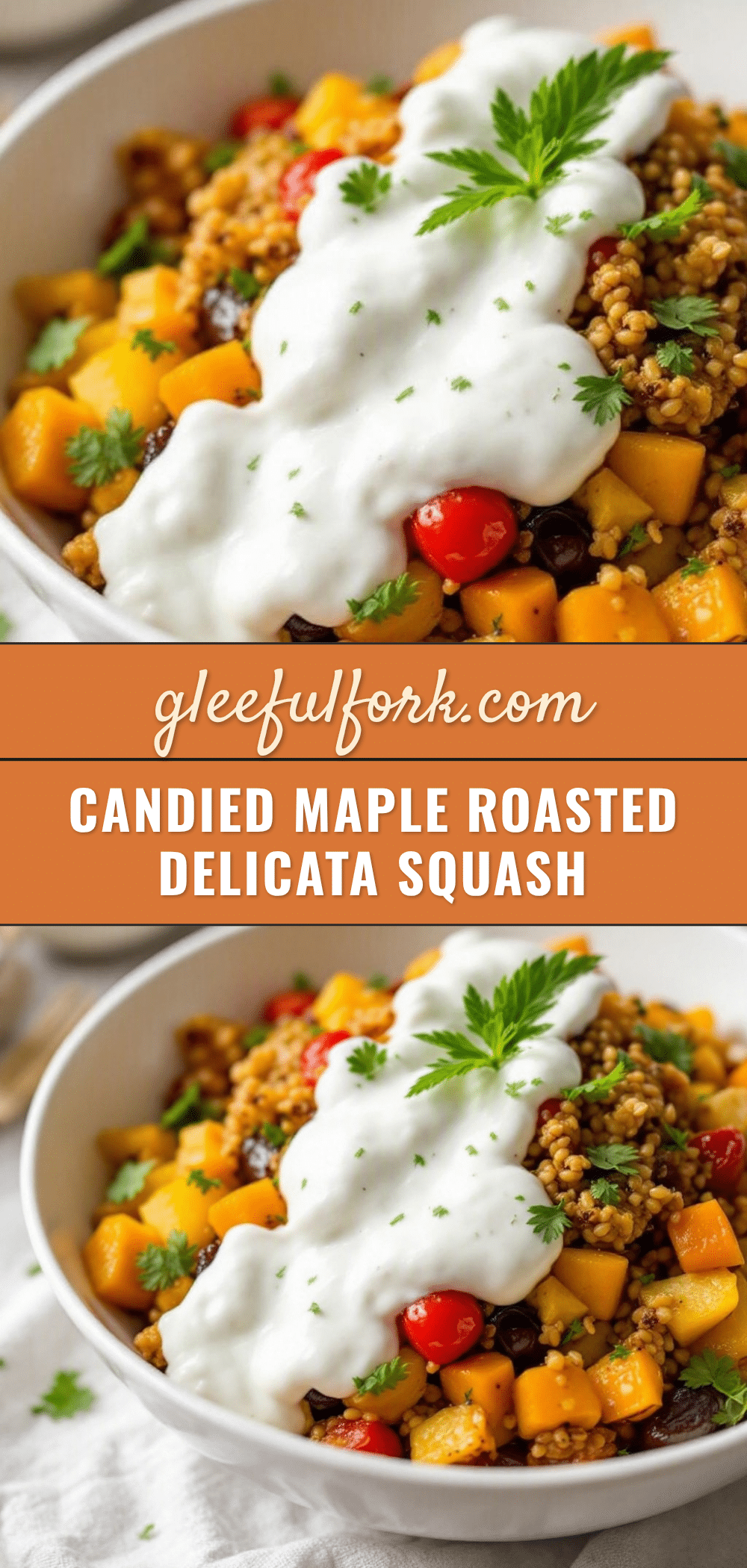
Easy Maple Glazed Roasted Delicata Squash Recipe

This easy maple glazed roasted delicata squash is a quick and delicious side dish that requires no peeling. With a sweet-savory maple glaze and perfectly caramelized edges, it’s perfect for weeknight dinners or holiday feasts.
- Prep Time: 10 minutes
- Cook Time: 25-30 minutes
- Total Time: 35-40 minutes
- Yield: 4 servings 1x
- Category: Side Dish
- Cuisine: American
Ingredients
- 2 medium delicata squash
- 3 tablespoons pure maple syrup
- 2 tablespoons extra virgin olive oil
- 1 teaspoon kosher salt (use ½ teaspoon if using Morton’s or fine table salt)
- ½ teaspoon freshly ground black pepper
- ½ teaspoon cinnamon (optional)
- ⅛ teaspoon cayenne pepper (optional)
- 4–5 sprigs fresh thyme (optional)
Instructions
- Preheat your oven to 425°F (218°C). Position the rack in the middle of the oven. Line a baking sheet with parchment paper (optional but recommended).
- Wash and dry the delicata squash thoroughly.
- Slice off about ¼ inch from both the stem end and blossom end of each squash.
- Cut the squash in half lengthwise to expose the seed cavity.
- Scoop out the seeds and stringy pulp using a spoon.
- Slice each half crosswise into ½-inch thick half-moons. Alternatively, slice the whole squash into rings and remove seeds from each ring.
- In a large mixing bowl, whisk together the maple syrup, olive oil, salt, pepper, and optional cinnamon and cayenne until emulsified.
- Add the sliced squash to the bowl and toss until evenly coated. Let sit for 2-3 minutes.
- Arrange the squash in a single layer on the prepared baking sheet, ensuring pieces do not overlap.
- Roast for 15 minutes.
- Remove from oven and flip each piece using tongs or a spatula.
- Roast for another 10-15 minutes, until tender and edges are caramelized.
- Optional: Switch oven to broil for the last 1-2 minutes for extra caramelization, watching closely to prevent burning.
- Remove from oven and let rest for 2-3 minutes.
- Transfer to a serving platter. If using fresh thyme, sprinkle leaves over the top. Add a final pinch of flaky sea salt if desired. Serve immediately.
Notes
For best results, use room temperature maple syrup and cut uniform ½-inch slices. Do not overcrowd the pan. If using the broiler, watch constantly to prevent burning. Leftovers can be stored in an airtight container in the refrigerator for up to 4 days. Reheat in a 350°F oven for 5-7 minutes to restore crispiness.
Nutrition
- Serving Size: 1 cup
- Calories: 145
- Sugar: 12
- Sodium: 290
- Fat: 7
- Saturated Fat: 1
- Carbohydrates: 22
- Fiber: 3
- Protein: 2
Keywords: delicata squash, maple glazed, roasted squash, easy side dish, fall recipe, Thanksgiving side, vegan, gluten-free