Love this? Save it for later!
Share the inspiration with your friends
The woman at the next stall watched me carefully bagging my peaches. She was in her seventies, maybe older, with flour dusted on her apron like she’d just come from her kitchen. I was being picky—checking each peach for softness, sniffing the stems. She didn’t say anything at first. Then she reached into her own crate and handed me a bruised one. “That one’s for today,” she said. “The rest can wait.”
I laughed, thanked her, and bought a basketful. Honestly, I had no idea what I was going to make. I just knew those peaches smelled like August, and I wasn’t leaving without them. That evening, I stood in my kitchen with the windows open and the counter covered in ripe fruit. I had a bag of brown sugar, a stick of butter, and a vague memory of a cobbler my aunt used to make—except hers always had a syrupy, cake-like topping. I wanted something different. Something with a little crunch, a little fluff, and a whole lot of cozy.
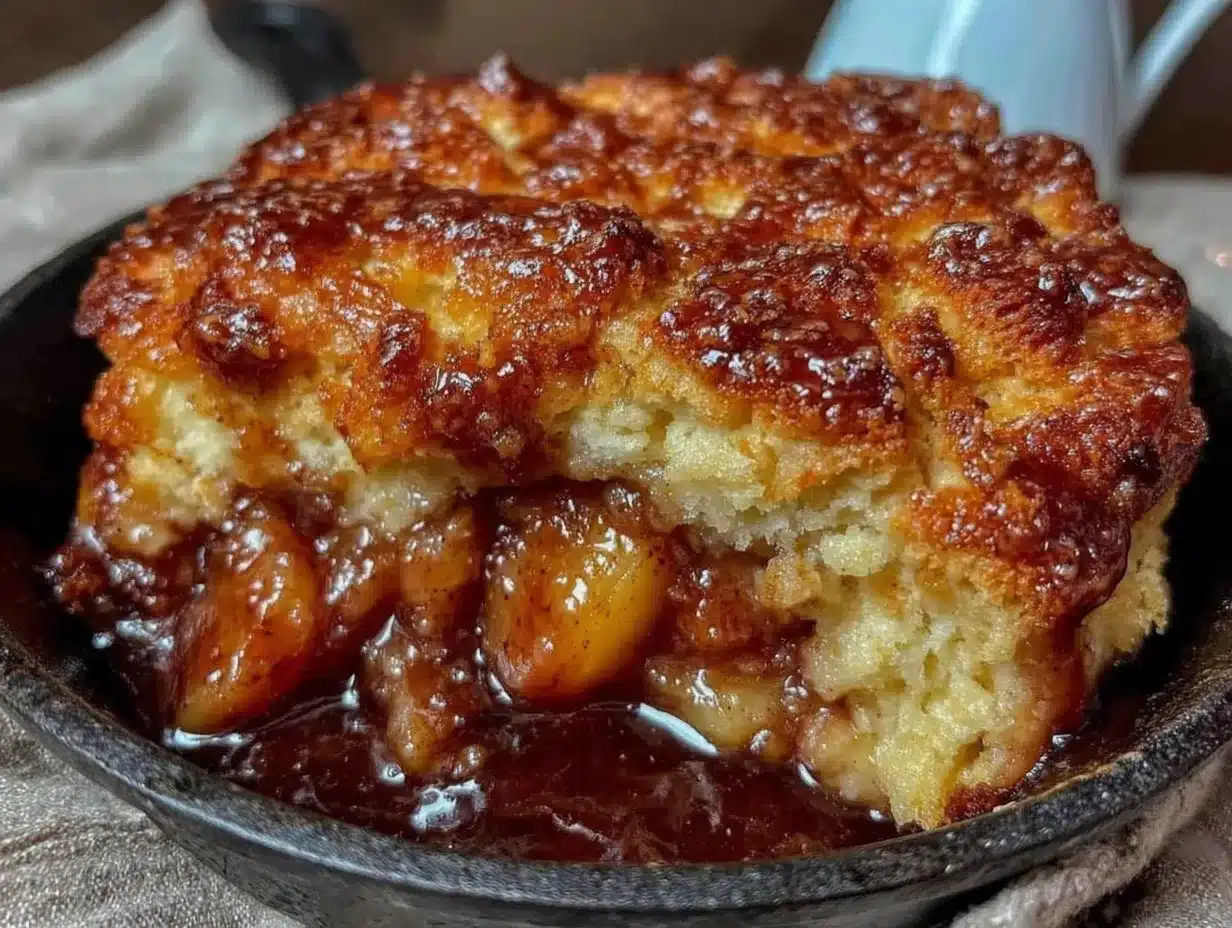
So I started experimenting. I used brown sugar instead of white because it has this warm, almost caramel-like depth that plain sugar just can’t touch. I made a biscuit topping—not too sweet, not too dense—and dropped it in dollops over the bubbling peaches. The first bite? I mean, I actually closed my eyes. You know that feeling when something tastes like a hug? That’s this cobbler.
I have made this cozy brown sugar peach cobbler with biscuit topping at least a dozen times since that evening. It’s become my go-to for everything from summer cookouts to rainy Sunday afternoons. And every time I make it, I think of that woman at the market. She didn’t give me a recipe. She just gave me permission to use the ripest peach first. That’s the kind of cooking I love—no rules, just trust.
Why You’ll Love This Recipe
This isn’t just another peach cobbler. I have tested this recipe more times than I can count, tweaking the butter ratio, adjusting the baking time, and even trying different types of peaches to see what works best. What I landed on is a dessert that hits every single note you want from a summer treat. Here is why it stands out:
- Quick & Easy: You can have this in the oven in about 20 minutes. No peeling peaches (yes, really), no complicated steps. It’s perfect for those moments when you need dessert fast.
- Simple Ingredients: Butter, flour, brown sugar, peaches, milk, baking powder—that’s basically it. You probably have most of these in your pantry right now.
- Perfect for Any Occasion: Serve it at a backyard barbecue, a holiday dinner, or just a quiet Tuesday night. It works for everything. I’ve even brought it to a potluck and watched it disappear in ten minutes.
- Crowd-Pleaser: Kids love the sweet, jammy peaches. Adults love the buttery biscuit topping. Everyone loves that it isn’t overly sugary—it’s just right.
- Unbelievably Delicious: The brown sugar creates this deep, molasses-like sweetness that pairs perfectly with the tartness of fresh peaches. The biscuit topping soaks up just enough juice to stay tender on the inside and golden on the outside. It is comfort food at its finest.
What makes this recipe different from others? It’s the technique. Most cobblers use a cake batter that sinks into the fruit, making everything mushy. My version uses a drop biscuit topping that stays light and fluffy. It sits on top of the peaches like a crown, catching the juices without getting soggy. The brown sugar gets sprinkled over the peaches before baking, creating a syrupy layer that bubbles up around the biscuits. It’s a small change, but it makes a huge difference.
Honestly, this is the kind of dessert that makes people ask for the recipe before they even finish their first serving. It is simple enough for a beginner baker but impressive enough to serve to guests. And let’s face it—anything that makes your kitchen smell like warm peaches and butter is a winner in my book.
What Ingredients You Will Need
This recipe uses simple, wholesome ingredients to deliver bold flavor and satisfying texture without the fuss. Most of these are pantry staples, which means you can whip up this cobbler on a whim without a special trip to the store. Here is everything you need, broken down by category.
For the Peach Filling
- 6 cups fresh or frozen peaches, sliced (about 6-7 medium peaches) – If using fresh, look for peaches that give slightly when you press them. They should smell sweet, not just fruity. Frozen peaches work perfectly too—just thaw and drain them first so you don’t end up with watery filling.
- ½ cup packed light brown sugar – This is my secret weapon. Brown sugar adds a deeper, more complex sweetness than white sugar. It also helps create that syrupy texture around the peaches. I prefer light brown sugar for a milder molasses flavor, but dark brown works if you want a richer taste.
- 1 tablespoon cornstarch – This thickens the juices as the cobbler bakes. Without it, you end up with soup. Trust me, I learned this the hard way.
- 1 teaspoon lemon juice – A tiny splash brightens the flavor and balances the sweetness. Fresh is best, but bottled works in a pinch.
- ½ teaspoon ground cinnamon – Cinnamon and peaches are a classic pairing. It adds warmth without overpowering the fruit.
- ¼ teaspoon ground nutmeg – Just a pinch. Nutmeg gives the filling a subtle, cozy depth that makes this feel like a fall dessert even in summer.
- ¼ teaspoon salt – Salt doesn’t make it salty—it makes everything else taste more like itself. It balances the sweetness and enhances the peach flavor.
For the Biscuit Topping
- 1 ½ cups all-purpose flour – I have tried this with whole wheat pastry flour, and it works, but all-purpose gives the lightest, fluffiest biscuits. Spoon and level your flour—don’t scoop directly from the bag or you’ll pack it down and end up with dense biscuits.
- ¼ cup packed light brown sugar – This goes into the biscuit dough for a hint of sweetness. It’s subtle, not cloying.
- 1 ½ teaspoons baking powder – This is what makes the biscuits rise. Make sure your baking powder is fresh—test it by dropping a bit in hot water. If it fizzes, it’s good.
- ½ teaspoon baking soda – Works with the buttermilk (or milk-vinegar combo) to create extra lift and tenderness.
- ¼ teaspoon salt – Essential for balancing the flavors in the dough.
- 6 tablespoons cold unsalted butter, cubed – Cold butter is key. It creates steam pockets as it melts in the oven, which makes the biscuits flaky. I use unsalted so I can control the salt level. If you only have salted butter, reduce the added salt by half.
- ¾ cup buttermilk, cold – Buttermilk adds tanginess and tenderness. If you don’t have buttermilk, make a quick substitute: add 1 tablespoon of lemon juice or white vinegar to a measuring cup, then fill with regular milk to the ¾ cup line. Let it sit for 5 minutes before using.
- 1 teaspoon vanilla extract – A little vanilla in the biscuit dough makes everything taste warmer and more inviting. I use pure vanilla extract, not imitation.
For the Topping
- 2 tablespoons turbinado or coarse sugar – This gets sprinkled over the biscuits before baking. It adds a lovely crunch and a sparkly finish. Regular granulated sugar works too, but you won’t get the same texture.
- Additional cinnamon for dusting (optional) – I like to add a light sprinkle over the sugar for extra warmth.
I recommend using Bob’s Red Mill all-purpose flour for consistent results, and Land O’Lakes unsalted butter for its reliable fat content. For brown sugar, Domino is my go-to because it stays soft and clump-free. If you are using frozen peaches, I like Wyman’s brand—they are flash-frozen at peak ripeness and taste almost as good as fresh.
Equipment Needed
You do not need a fancy kitchen to make this cobbler. Here is what I use every time:
- 9×13-inch baking dish – Glass or ceramic works best. Metal pans can react with the acidity of the peaches and leave a metallic taste. I use a Pyrex dish and it bakes evenly every time.
- Large mixing bowl – For the biscuit dough. Any bowl works, but a wide one makes it easier to cut in the butter.
- Pastry cutter or two forks – A pastry cutter is faster, but forks work perfectly. You want the butter to be pea-sized pieces mixed into the flour.
- Wooden spoon or spatula – For stirring the peach filling.
- Measuring cups and spoons – Accuracy matters in baking, especially for the flour and leavening agents.
- Chef’s knife and cutting board – For slicing peaches.
- Small bowl – For mixing the cornstarch and sugar.
- Ice cream scoop or two spoons – For dropping the biscuit dough onto the peaches. An ice cream scoop gives you evenly sized biscuits.
If you don’t have a pastry cutter, don’t worry. I actually prefer using two forks because I feel like I have more control. Just cut the butter into the flour until the mixture looks like coarse crumbs with some pea-sized butter pieces still visible. Those little chunks are what make the biscuits flaky.
One tip: if you use a metal baking dish, reduce the oven temperature by 25°F. Metal heats up faster and can burn the bottom of the cobbler before the top is done. Glass and ceramic are more forgiving.
Preparation Method
Let me walk you through this step by step. I’ve made this enough times to know where things can go wrong, so I’ll share all my little tricks along the way.
- Preheat your oven to 375°F (190°C). Place a rack in the middle position. If you have a baking sheet, put it on the lower rack to catch any drips—this cobbler can bubble over, and burnt sugar is a pain to clean.
- Prepare the peaches. If using fresh peaches, wash them, cut them in half, remove the pit, and slice each half into about 6 wedges. I leave the skin on because it adds color and fiber, and it softens during baking. If you really hate peach skin, you can blanch the peaches in boiling water for 30 seconds, then plunge them into ice water—the skin will slip right off. But honestly, I never bother.
- Make the filling. In a large bowl, combine the sliced peaches, ½ cup brown sugar, cornstarch, lemon juice, cinnamon, nutmeg, and salt. Stir gently with a wooden spoon until the peaches are evenly coated. Let this sit while you make the biscuit dough—about 10 minutes. This resting time helps the peaches release their juices, which will create that gorgeous syrup.
- Mix the dry ingredients for the biscuits. In a separate large bowl, whisk together the flour, ¼ cup brown sugar, baking powder, baking soda, and salt. Make sure there are no lumps. The brown sugar might have small clumps—just break them up with your fingers.
- Cut in the butter. Add the cold, cubed butter to the flour mixture. Use a pastry cutter or two forks to cut the butter into the flour until the mixture looks like coarse crumbs with some pea-sized butter pieces. Work quickly—you don’t want the butter to warm up. If the butter starts feeling soft, pop the bowl in the fridge for 5 minutes.
- Add the wet ingredients. Pour the cold buttermilk and vanilla extract into the flour-butter mixture. Stir with a fork or spatula just until the dough comes together. It will be sticky and shaggy—that’s exactly what you want. Do not overmix, or the biscuits will be tough. A few streaks of flour are fine.
- Assemble the cobbler. Pour the peach mixture into your 9×13-inch baking dish and spread it into an even layer. Use a spatula to scrape every last bit of the sugary juice from the bowl. Drop spoonfuls of biscuit dough over the peaches. I use a 2-tablespoon ice cream scoop for evenly sized biscuits. You don’t need to cover every inch—the biscuits will spread as they bake. Leave some gaps so the peach filling can bubble through.
- Add the topping. Sprinkle the turbinado sugar and a light dusting of cinnamon over the biscuit tops. This gives them that beautiful crunchy crust.
- Bake. Place the dish on the middle rack (with the baking sheet on the lower rack to catch drips). Bake for 35-40 minutes, or until the biscuit tops are golden brown and the peach filling is bubbling thickly around the edges. If the biscuits are browning too quickly after 25 minutes, tent the dish loosely with aluminum foil.
- Cool slightly. Let the cobbler cool on a wire rack for at least 15 minutes before serving. This allows the filling to set up. If you dig in right away, it will be runny. I know it’s tempting, but trust me—waiting is worth it.
Sensory cues: At the 20-minute mark, your kitchen will smell like a bakery in heaven. The peaches will be bubbling with thick, amber-colored syrup. The biscuits will be puffed and golden, with darker bits where the sugar caramelized. When you tap a biscuit, it should feel firm but spring back slightly.
Troubleshooting: If your filling seems too thin after baking, it probably needed more cornstarch or more time. Next time, let the peaches sit longer before baking to release more juice, and make sure your cornstarch is fresh. If the biscuits are dense, your butter was too warm or you overmixed the dough. Cold ingredients are non-negotiable for light biscuits.
Cooking Tips & Techniques
After making this cobbler more times than I can count, I’ve collected a few tricks that make a real difference. Let me share the ones I wish I had known from the start.
Use cold ingredients for the biscuits. This is the number one rule for flaky biscuits. Cold butter creates steam as it melts, which lifts the dough and creates those beautiful layers. If your kitchen is warm, chill the flour and butter in the freezer for 10 minutes before starting. I also keep my buttermilk in the fridge until the last second.
Don’t overmix the dough. I cannot stress this enough. Stir just until the flour is moistened. A few lumps are fine. Overmixing develops gluten, which makes biscuits tough and rubbery. You want them tender, not chewy.
Let the peaches macerate. That 10-minute rest after mixing the peaches with sugar and cornstarch is not optional. It draws out the natural juices, which combine with the sugar to create a syrupy base. If you skip this step, your filling will be drier and less flavorful.
Bake on a lower rack if needed. If your biscuit tops are browning too fast but the filling isn’t bubbling yet, move the dish to a lower rack. You can also tent it with foil. I’ve had ovens that run hot, and this trick saves the cobbler every time.
Use a baking sheet underneath. I learned this after cleaning burnt sugar off my oven floor. The cobbler bubbles up, and that syrup can spill over. A baking sheet on the rack below catches everything and makes cleanup a breeze.
Let it rest before serving. This is the hardest tip to follow because the cobbler smells incredible. But if you serve it immediately, the filling will be runny and the biscuits might fall apart. Fifteen minutes of cooling lets the cornstarch do its job and thicken the juices. The texture will be perfect.
One mistake I made: The first time I made this, I used melted butter in the biscuit dough because I was in a hurry. The biscuits came out flat and greasy. Cold butter is not a suggestion—it’s a requirement. Learn from my impatience.
Variations & Adaptations
This recipe is wonderfully flexible. Here are some ways I’ve adapted it for different diets, seasons, and cravings.
Gluten-Free Version: Substitute the all-purpose flour with a 1:1 gluten-free baking flour blend that contains xanthan gum. I have used King Arthur Measure for Measure with great results. The biscuits will be slightly more tender and less flaky, but still delicious. Do not use almond flour or coconut flour alone—they won’t give you the right structure.
Dairy-Free Version: Use cold coconut oil or vegan butter instead of regular butter. For the buttermilk, mix ¾ cup of unsweetened almond or oat milk with 1 tablespoon of lemon juice. Let it sit for 5 minutes. The biscuits will be a little less rich, but still light and flavorful.
Low-Sugar Option: Reduce the brown sugar in the filling to ⅓ cup and use a sugar substitute like monk fruit or erythritol in the biscuits. The cobbler will be less syrupy, but the peach flavor will shine through more. I have tried this for a diabetic friend, and she loved it.
Seasonal Fruit Swaps: This recipe works beautifully with other fruits. In late summer, try nectarines or plums. In fall, use sliced apples or pears with a teaspoon of ginger added. In winter, frozen berries or cherries are fantastic—just reduce the sugar slightly since berries are sweeter than peaches. I made a cherry version last December, and it was perfect for the holidays.
Spice Variations: For a warmer flavor, add ¼ teaspoon of cardamom or allspice to the filling. For a savory twist, add a pinch of black pepper to the biscuit dough—it sounds weird, but it balances the sweetness beautifully. I tried this on a whim and now I do it every other time.
Individual Servings: Divide the filling among 6-8 ramekins and top each with a small biscuit. Bake for 20-25 minutes. These are perfect for dinner parties—everyone gets their own little cobbler.
Serving & Storage Suggestions
This cobbler is best served warm, when the biscuits are still tender and the filling is thick and jammy. Here is how I like to serve it and how to store leftovers.
Serving Temperature: Let the cobbler cool for 15-20 minutes after baking. It should be warm, not piping hot. If you serve it too hot, the filling will be thin and might burn your mouth. Warm allows the flavors to meld and the texture to set.
Presentation: Spoon the cobbler into shallow bowls, making sure each serving gets some peaches and a biscuit. Drizzle a little of the syrupy juice over the top. A scoop of vanilla ice cream is the classic pairing—the cold creaminess against the warm, spiced peaches is perfection. Whipped cream or a dollop of Greek yogurt also works beautifully.
Complementary Dishes: This cobbler is rich enough to stand alone, but it pairs wonderfully with a simple green salad if you’re serving it after a meal. For a brunch spread, serve it alongside a frittata or quiche. A cup of black coffee or a glass of iced tea balances the sweetness nicely.
Storage Instructions: Cover the baking dish tightly with foil or plastic wrap and store in the refrigerator for up to 4 days. The biscuits will soften over time as they absorb the peach juices, but the flavor will deepen. I actually think day-old cobbler has a more intense peach flavor.
Reheating Methods: The best way to reheat is in the oven at 350°F for 10-15 minutes, or until warmed through. The microwave works in a pinch, but the biscuits will be soft, not crisp. For a single serving, microwave for 30-45 seconds. If you want to revive the biscuit texture, pop it under the broiler for 1-2 minutes after microwaving.
Freezing: You can freeze the assembled but unbaked cobbler. Assemble everything in a freezer-safe dish, wrap tightly in foil, and freeze for up to 3 months. Bake from frozen at 375°F, adding 15-20 minutes to the baking time. Alternatively, freeze the baked and cooled cobbler for up to 2 months. Thaw overnight in the refrigerator and reheat in the oven.
Flavor Development: The peach filling becomes more syrupy and complex after a day in the fridge. The spices meld together, and the brown sugar deepens into a caramel-like flavor. If you can resist eating it all at once, the leftovers are a treat.
Nutritional Information & Benefits
While I wouldn’t call this a health food, it does have some redeeming qualities. Here is an approximate nutritional breakdown per serving (based on 8 servings):
- Calories: 320
- Fat: 12g
- Saturated Fat: 7g
- Carbohydrates: 52g
- Fiber: 3g
- Sugar: 34g
- Protein: 4g
- Sodium: 280mg
Health Benefits: Peaches are a good source of vitamins A and C, which support immune health and skin health. They also contain fiber, which aids digestion. The cinnamon and nutmeg in this recipe have anti-inflammatory properties and can help regulate blood sugar. Brown sugar, while still sugar, contains a tiny amount of molasses, which provides trace minerals like calcium and iron. The buttermilk in the biscuits adds calcium and probiotics (if using cultured buttermilk).
Dietary Considerations: This recipe is vegetarian. For a vegan version, use the dairy-free adaptations mentioned earlier. It is not gluten-free unless you use a gluten-free flour blend. The recipe contains dairy and gluten as written.
Potential Allergens: Wheat (gluten), milk (dairy). If you have allergies, please check your specific ingredient brands, as some may contain traces of other allergens.
My Perspective: I believe in balance. This cobbler is a dessert, and I enjoy it as a treat, not a daily staple. But I feel good knowing it uses real ingredients—no artificial flavors, no preservatives, just fruit, butter, and a little sugar. That’s honest food, and I think our bodies appreciate that more than we realize.
Conclusion
This cozy brown sugar peach cobbler with biscuit topping is everything I want in a dessert. It is warm, comforting, and full of real fruit flavor. The brown sugar adds a depth that white sugar just can’t match, and the biscuit topping is light and fluffy without being cakey. It is the kind of recipe that feels special but doesn’t require a lot of effort.
I love that I can make it with fresh peaches in summer or frozen peaches in winter, and it always turns out delicious. I love that it fills my kitchen with that unmistakable scent of butter and cinnamon. And I love that it brings people together—whether it’s a family dinner, a potluck, or just a quiet evening at home.
If you try this recipe, I hope you make it your own. Add more cinnamon if you like. Swap in nectarines. Serve it with ice cream or eat it straight from the dish (no judgment here). The best recipes are the ones that adapt to you.
I would love to hear how yours turns out. Drop a comment below and tell me about your peach cobbler adventure—what fruit you used, what you served it with, or how you made it your own. And if you share it on Pinterest, tag me so I can see your beautiful creation. Happy baking, friend.
Frequently Asked Questions
Can I use canned peaches instead of fresh or frozen?
Yes, but you will need to drain them well and reduce the sugar in the filling. Canned peaches are packed in syrup, so they are already sweet. Use about 4 cups of drained canned peaches and skip the brown sugar in the filling—just toss them with cornstarch, lemon juice, and spices. The texture will be softer, but it still tastes great.
Why are my biscuits dense and not fluffy?
Dense biscuits usually mean the butter was too warm or the dough was overmixed. Make sure your butter and buttermilk are cold when you start. Mix the dough just until it comes together—a few lumps are fine. If the dough feels sticky, resist the urge to add more flour. That stickiness creates steam, which makes the biscuits light.
Can I make this cobbler ahead of time?
Absolutely. You can assemble the cobbler (without baking) up to 24 hours in advance. Cover it tightly and refrigerate. When you are ready to bake, add about 10 minutes to the baking time since you are starting from cold. You can also bake it fully, cool it, and reheat it the next day. The flavors actually get better after a day in the fridge.
How do I prevent the cobbler from bubbling over in the oven?
Place a baking sheet on the rack below the cobbler to catch any drips. You can also use a larger baking dish than you think you need—the filling bubbles up significantly. I recommend a 9×13-inch dish with at least 2-inch sides. If your dish is smaller, consider placing it on a foil-lined baking sheet.
Can I use a different type of sugar in the filling?
Yes. Coconut sugar works well and has a similar depth to brown sugar. White granulated sugar will give you a sweeter, less complex flavor. If you use honey or maple syrup, reduce the amount to ⅓ cup and add an extra tablespoon of cornstarch to thicken the filling. The texture will be slightly different, but still delicious.
Pin This Recipe!

Cozy Brown Sugar Peach Cobbler with Biscuit Topping

A warm and comforting peach cobbler featuring a brown sugar-sweetened filling and a light, fluffy biscuit topping. This easy dessert uses simple ingredients and is perfect for any occasion.
- Prep Time: 20 minutes
- Cook Time: 35-40 minutes
- Total Time: 55-60 minutes
- Yield: 8 servings 1x
- Category: Dessert
- Cuisine: American
Ingredients
- 6 cups fresh or frozen peaches, sliced (about 6–7 medium peaches)
- ½ cup packed light brown sugar
- 1 tablespoon cornstarch
- 1 teaspoon lemon juice
- ½ teaspoon ground cinnamon
- ¼ teaspoon ground nutmeg
- ¼ teaspoon salt
- 1 ½ cups all-purpose flour
- ¼ cup packed light brown sugar
- 1 ½ teaspoons baking powder
- ½ teaspoon baking soda
- ¼ teaspoon salt
- 6 tablespoons cold unsalted butter, cubed
- ¾ cup buttermilk, cold
- 1 teaspoon vanilla extract
- 2 tablespoons turbinado or coarse sugar
- Additional cinnamon for dusting (optional)
Instructions
- Preheat your oven to 375°F (190°C). Place a rack in the middle position. Put a baking sheet on the lower rack to catch any drips.
- Prepare the peaches: If using fresh, wash, halve, pit, and slice each half into about 6 wedges. Leave the skin on.
- Make the filling: In a large bowl, combine sliced peaches, ½ cup brown sugar, cornstarch, lemon juice, cinnamon, nutmeg, and salt. Stir gently. Let sit for 10 minutes.
- Mix the dry ingredients for the biscuits: In a separate large bowl, whisk together flour, ¼ cup brown sugar, baking powder, baking soda, and salt.
- Cut in the butter: Add cold, cubed butter to the flour mixture. Use a pastry cutter or two forks to cut the butter into the flour until the mixture looks like coarse crumbs with some pea-sized butter pieces.
- Add the wet ingredients: Pour cold buttermilk and vanilla extract into the flour-butter mixture. Stir just until the dough comes together. It will be sticky and shaggy.
- Assemble the cobbler: Pour the peach mixture into a 9×13-inch baking dish and spread evenly. Drop spoonfuls of biscuit dough over the peaches, leaving some gaps.
- Add the topping: Sprinkle turbinado sugar and a light dusting of cinnamon over the biscuit tops.
- Bake: Place the dish on the middle rack (with the baking sheet on the lower rack). Bake for 35-40 minutes, or until the biscuit tops are golden brown and the filling is bubbling thickly around the edges. If biscuits brown too quickly, tent loosely with foil after 25 minutes.
- Cool slightly: Let the cobbler cool on a wire rack for at least 15 minutes before serving.
Notes
For best results, use cold ingredients for the biscuits. Do not overmix the dough. Let the peaches macerate for 10 minutes to release juices. Let the cobbler rest for 15 minutes before serving to allow the filling to set. If using frozen peaches, thaw and drain first. For a dairy-free version, use cold coconut oil or vegan butter and unsweetened almond or oat milk with lemon juice. For a gluten-free version, use a 1:1 gluten-free baking flour blend.
Nutrition
- Serving Size: 1 serving (about 1/8
- Calories: 320
- Sugar: 34
- Sodium: 280
- Fat: 12
- Saturated Fat: 7
- Carbohydrates: 52
- Fiber: 3
- Protein: 4
Keywords: peach cobbler, brown sugar, biscuit topping, summer dessert, easy peach dessert