Love this? Save it for later!
Share the inspiration with your friends
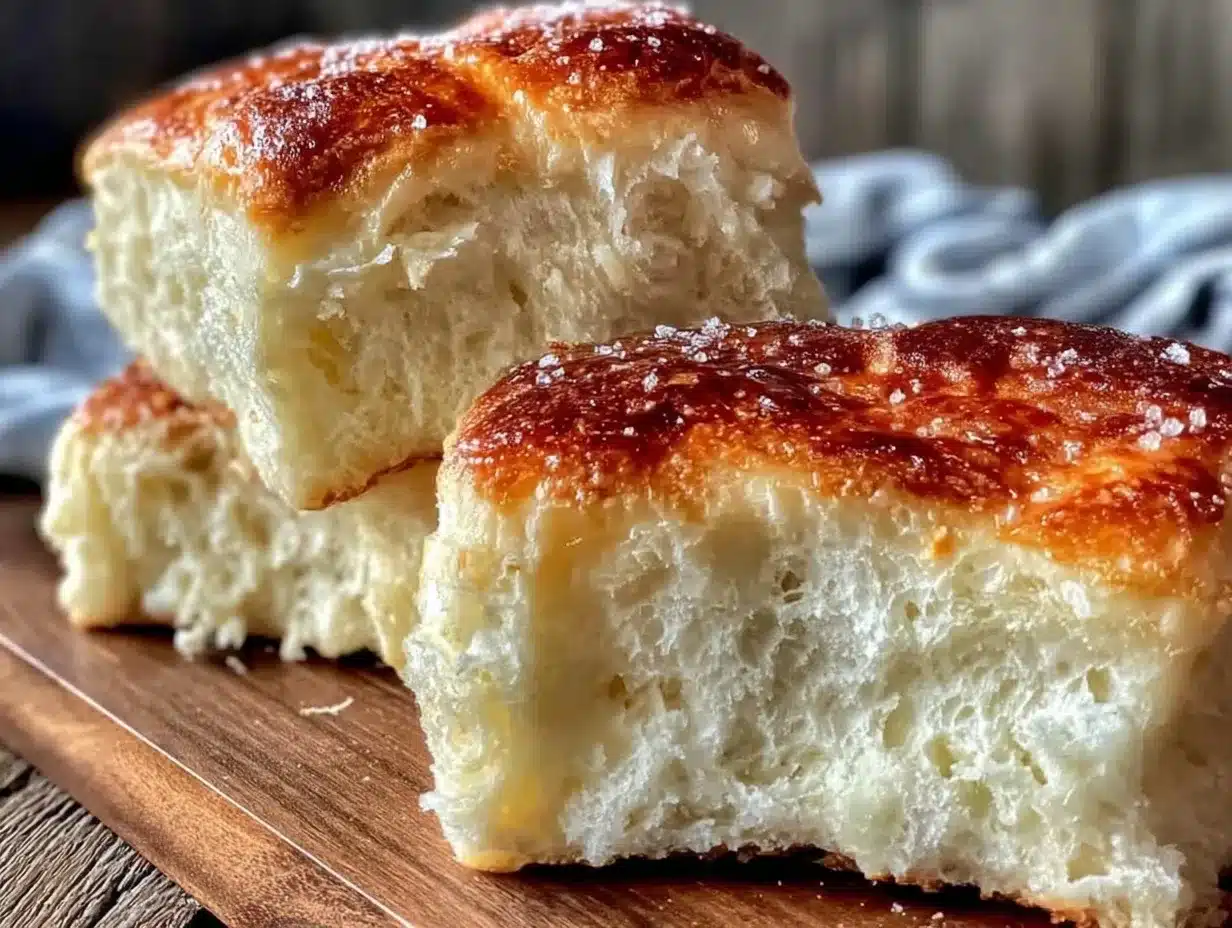
“You won’t believe how soft this bread is,” my neighbor, an avid baker with an impressive collection of cookbooks, said last autumn as she handed me a slice of her homemade Japanese milk bread. I had to admit, I was a bit skeptical at first. I mean, I’d baked plenty of loaves before, but nothing quite as pillowy or tender as this one. The secret wasn’t just in the ingredients but in the method — something called the tangzhong technique. Honestly, I had never heard of it before, but watching the way the bread almost melted on my tongue convinced me I had to try it.
That evening, I dug into the recipe she’d scrawled on a slightly crumpled index card, the ink smudged from her flour-covered hands. I tried it the next morning, fumbling a bit with the tangzhong roux, the sticky dough, and the folding — it was a mess, no doubt. At one point, I even forgot to set my timer and nearly burned the crust, turning my kitchen into a mild smokehouse. But when I finally sliced into the loaf, that soft, slightly sweet crumb and the delicate crust made me realize this was more than just bread; it was a texture and taste experience I hadn’t expected at all.
Maybe you’ve been there — staring at a loaf in the bakery, wondering how something so soft and light could possibly exist. Well, let me tell you, this Tender Japanese Milk Bread (Hokkaido Shokupan) with Tangzhong is the recipe that will get you there, right in your own kitchen. It’s become a staple for lazy Sunday breakfasts and fuss-free tea times, and I keep making it because, frankly, it feels like a little hug from the inside out.
Why You’ll Love This Recipe
From my many kitchen experiments and countless loaves baked, this Japanese milk bread recipe stands out for a few reasons that might just win you over:
- Quick & Easy: Thanks to the tangzhong technique, the dough is forgiving and easier to handle, coming together in just about 3 hours including rising times — perfect for a weekend project or an afternoon treat.
- Simple Ingredients: No weird or hard-to-find components here. With common pantry staples like bread flour, milk, sugar, and yeast, you can whip this up without a special trip to the grocery store.
- Perfect for Breakfast or Tea: This bread’s soft crumb and slightly sweet taste make it ideal for morning toast with jam or a cozy afternoon snack with butter and green tea.
- Crowd-Pleaser: Kids, adults, and picky eaters alike adore the pillowy texture and subtle sweetness — it’s the kind of bread that disappears fast at family dinners or potlucks.
- Unbelievably Delicious: The tangzhong method creates a moist, soft crumb that stays fresh longer than your average loaf. The slightly sweet milk flavor adds a comforting richness without overpowering.
What makes this recipe different? It’s the tangzhong — a cooked flour and water paste — that transforms the bread from ordinary to extraordinary. This little step locks in moisture and gives the bread its signature softness and longevity. You won’t find yourself throwing away stale slices after a day or two.
Honestly, this bread isn’t just food; it’s a texture celebration. You take a bite and close your eyes because it’s that good. Whether it’s your first time baking bread or you’ve been kneading dough for years, this Hokkaido Shokupan recipe is a must-try that stays with you.
What Ingredients You Will Need
This recipe uses simple, wholesome ingredients to deliver bold flavor and that signature fluffy texture without fuss. Most are pantry staples, and substitutions are easy if you need them.
- For the Tangzhong (Flour Roux):
- All-purpose flour – 3 tablespoons (25 g)
- Water – ½ cup (120 ml)
- Whole milk – ¼ cup (60 ml)
- For the Dough:
- Bread flour – 2 ½ cups (320 g) (I like King Arthur for consistent results)
- Active dry yeast – 2 teaspoons (7 g)
- Granulated sugar – ¼ cup (50 g) (adjust to taste if you want it less sweet)
- Salt – 1 teaspoon (5 g)
- Whole milk – ½ cup (120 ml), warmed to about 110°F (43°C)
- Heavy cream – ¼ cup (60 ml) (adds richness, but you can swap with extra milk)
- Unsalted butter – 4 tablespoons (57 g), softened
- Optional:
- Egg wash (1 egg beaten with 1 tablespoon water) to brush the loaf for a shiny crust
For best texture, pick fresh yeast and good-quality bread flour. If you want a dairy-free option, swap milk and cream with unsweetened almond or oat milk, but expect a slightly different crumb. In summer, I sometimes add a teaspoon of vanilla extract for a subtle twist. The sugar is flexible – go lighter if you prefer a less sweet loaf.
Equipment Needed
- Mixing bowls – A medium and a small one for the tangzhong and dough
- Whisk and rubber spatula – For mixing and folding
- Digital kitchen scale – For precise measurement (baking is a science, after all)
- Measuring cups and spoons – For convenience if you don’t have a scale
- Loaf pan (8.5 x 4.5 inches / 21.5 x 11.5 cm) – Essential for shaping the bread
- Plastic wrap or damp towel – To cover dough while rising
- Thermometer – To check milk temperature for activating yeast
- Stand mixer with dough hook (optional) – Makes kneading easier, but hand-kneading works fine if you don’t mind a little workout
If you don’t have a stand mixer, a wooden spoon and some elbow grease will do the job. I once made this while camping with just a bowl and a spoon — messy but doable! Keeping your loaf pan well-greased or lined with parchment paper helps with release after baking. For shiny crust lovers, a pastry brush is handy but not mandatory.
Preparation Method
- Make the Tangzhong: In a small saucepan, whisk together 3 tablespoons all-purpose flour, ½ cup water, and ¼ cup milk until smooth. Heat over medium-low, stirring constantly until it thickens to a pudding-like consistency (about 3-5 minutes). Remove from heat and let cool completely to room temperature (about 20-30 minutes). This step locks moisture into the bread.
- Activate the Yeast: In a medium bowl, combine ½ cup warm milk (110°F/43°C) with 2 teaspoons active dry yeast and 1 tablespoon sugar (from the total sugar amount). Let it sit for 5-10 minutes until frothy. This means your yeast is alive and kicking.
- Mix the Dough: To the yeast mixture, add the cooled tangzhong, 2 ½ cups bread flour, remaining sugar, 1 teaspoon salt, ¼ cup heavy cream, and softened butter. Mix with a wooden spoon or stand mixer on low speed until a sticky dough forms.
- Knead: Knead the dough on a lightly floured surface for about 10 minutes until smooth and elastic. If using a stand mixer, knead with dough hook on medium for 7-8 minutes. The dough should be tacky but not overly sticky.
- First Rise: Shape the dough into a ball and place it in a greased bowl. Cover with plastic wrap or damp towel. Let it rise in a warm place for 1 to 1.5 hours, or until doubled in size.
- Shape the Loaf: Punch down the dough to release air and transfer it to a floured surface. Divide into 3 equal portions. Roll each into an oval, then fold each oval into thirds lengthwise. Place the rolls seam-side down into your greased loaf pan, side by side.
- Second Rise: Cover the pan loosely and let dough rise another 45 minutes, until puffy and nearly doubled.
- Preheat Oven: Meanwhile, preheat your oven to 350°F (175°C).
- Optional Egg Wash: Brush the top with egg wash for a shiny, golden crust.
- Bake: Bake for 30-35 minutes until the top is golden brown and the loaf sounds hollow when tapped. If crust browns too fast, tent with foil halfway through baking.
- Cool: Remove from oven and immediately transfer loaf to a wire rack. Let cool completely before slicing to preserve soft crumb.
Pro tip: If your dough feels too sticky while kneading, resist the urge to add too much flour—use a little water on your hands or a slick surface instead. The dough might look wet but it’s supposed to be moist and soft. Also, using warm milk helps the yeast wake up without killing it.
Cooking Tips & Techniques
The tangzhong technique is the star here — cooking a portion of the flour and liquid before mixing with the rest keeps the bread tender longer. Don’t skip cooling the tangzhong completely; warm roux can kill your yeast or make the dough too loose.
When kneading, aim for a smooth, elastic dough. It’s okay if the dough is sticky but avoid adding too much flour, which dries out your bread. You’ll feel the difference in the crumb’s softness.
Proofing times can vary depending on room temperature. If your kitchen is cold, place the dough near a warm spot like the oven with just the light on. Be patient; rushing the rise will make the bread dense.
During baking, keep an eye on crust color. Tent with foil if it browns too quickly to avoid bitterness. Also, let the bread cool fully before slicing — I know it’s tempting to dig in right away, but cutting warm bread can squash that delicate crumb.
One time, I forgot to punch down the dough after the first rise. The result? A loaf with huge air pockets and a wonky shape. Lesson learned: knocking out the air properly makes shaping easier and gives a better crumb.
Variations & Adaptations
- Gluten-Free Version: Use a gluten-free all-purpose flour blend, and add a teaspoon of xanthan gum to mimic the elasticity. Expect a slightly denser crumb.
- Whole Wheat Adaptation: Substitute half the bread flour with whole wheat flour for more fiber and nuttier flavor. Increase hydration slightly as whole wheat absorbs more water.
- Sweet Twist: Add 2 tablespoons honey instead of sugar and fold in ¼ cup raisins or chopped dried fruit for a breakfast-worthy loaf.
- Vegan Version: Use plant-based milk (oat or soy) and replace butter with vegan margarine or coconut oil. Skip egg wash or brush with plant milk for shine.
- Herb Infusion: Mix in 1 tablespoon finely chopped rosemary or thyme into the dough for a savory bread perfect for sandwiches or toast.
I once tried adding matcha powder to the dough for a green tea-flavored loaf — the color was stunning and the flavor subtle but delightful. If you want to experiment, keep the matcha to 1 teaspoon so it doesn’t dry out the dough.
Serving & Storage Suggestions
This bread is best served slightly toasted with butter or jam. Its soft crumb makes it perfect for classic sandwiches like egg salad or for French toast the next morning. Serve warm or at room temperature to appreciate its delicate texture.
Store the bread wrapped tightly in plastic wrap or in an airtight container at room temperature for up to 3 days. For longer storage, slice and freeze in zip-top bags for up to a month. Toast slices straight from the freezer for a fresh-baked taste.
Reheat gently in a toaster or oven at 300°F (150°C) for 5-7 minutes to revive softness. Over time, the flavors deepen slightly, making it even more comforting.
Nutritional Information & Benefits
Per slice (approximate): 140 calories, 3g fat, 25g carbohydrates, 4g protein.
The use of milk and cream adds calcium and vitamin D, while the tangzhong technique reduces the need for preservatives, keeping the bread moist naturally. Using bread flour gives a better gluten structure, contributing to the loaf’s signature soft texture.
This recipe is naturally free from artificial additives and can be adapted for gluten-free or vegan diets. The moderate sugar content keeps it a healthier alternative to many commercial sweet breads.
Conclusion
This Tender Japanese Milk Bread (Hokkaido Shokupan) with Tangzhong recipe is a keeper. It’s soft, lightly sweet, and fluffy — the kind of bread that makes mornings feel special and afternoon tea a treat. You can tweak it to suit your taste, from sweet to savory, vegan to whole wheat, which makes it endlessly versatile.
I keep baking this loaf because it reminds me of that first bite I took at my neighbor’s kitchen — unexpected, comforting, and just a little bit magical. If you try it out, don’t forget to share your experience or any twists you make. There’s something wonderful about sharing bread stories.
Frequently Asked Questions
What is the tangzhong technique?
Tangzhong is a cooked flour and liquid paste added to bread dough. It helps retain moisture, resulting in softer, fluffier bread that stays fresh longer.
Can I make this bread without a stand mixer?
Absolutely! You can knead by hand on a floured surface for about 10 minutes. It takes more effort but works just as well.
How long does the bread stay fresh?
When stored properly at room temperature, it stays soft for about 3 days. Freezing slices extends freshness up to a month.
Can I use instant yeast instead of active dry yeast?
Yes, you can substitute instant yeast using about 25% less quantity and add it directly to the dry ingredients.
Why is my bread not as soft as expected?
Common issues include skipping the tangzhong step, adding too much flour, or under-proofing. Make sure to follow rising times and keep dough moist but not sticky.
For those who love experimenting with soft breads, you might find the techniques in my crispy garlic chicken post surprisingly useful for mastering texture contrasts in other recipes. And if you enjoy baking, the gentle crumb of this milk bread pairs beautifully with a spread of homemade jams like in my homemade strawberry jam recipe. Baking bread and making jam — now that’s a combo for cozy weekends!
Pin This Recipe!
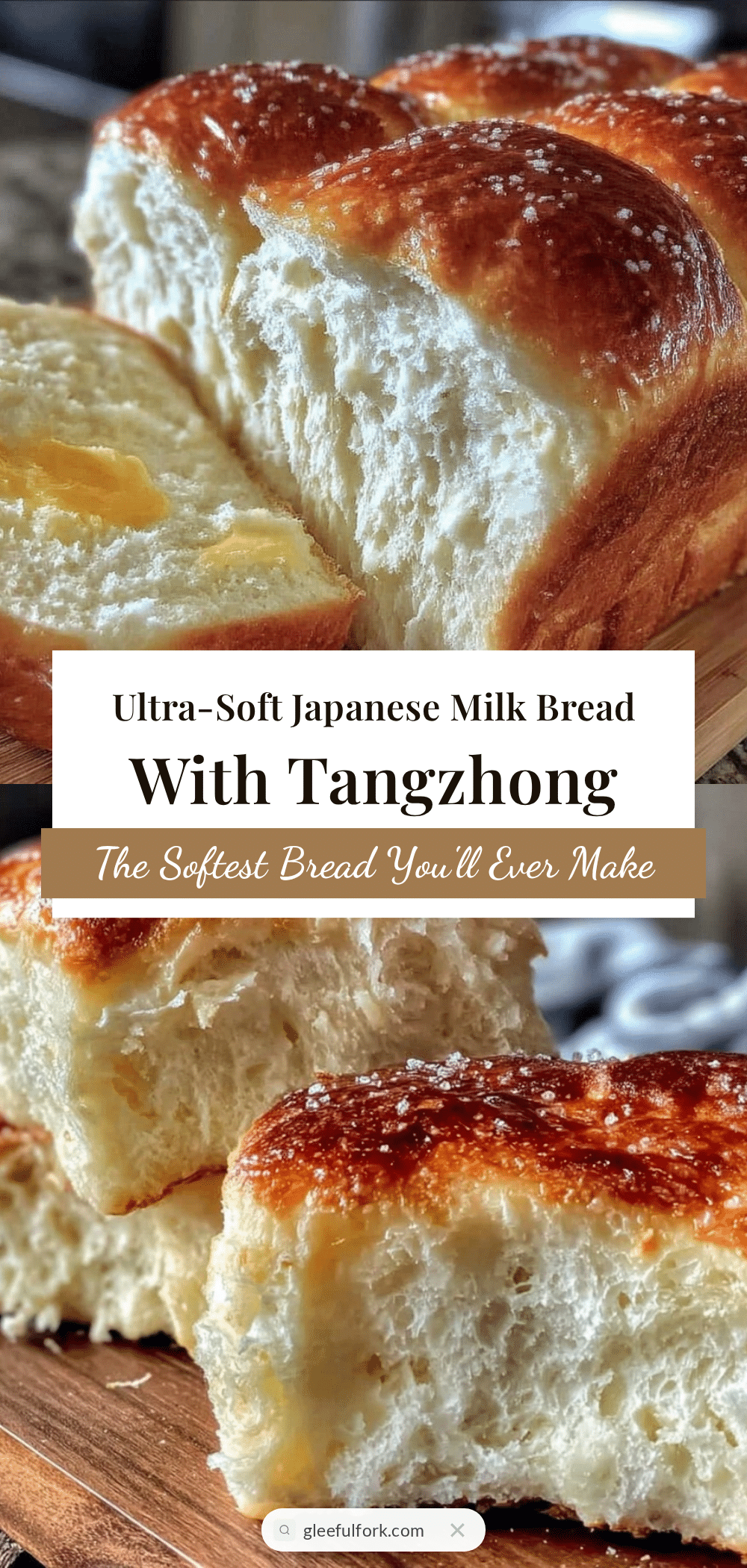
Tender Japanese Milk Bread Recipe Easy Homemade Hokkaido Shokupan with Tangzhong Technique

This Japanese milk bread recipe uses the tangzhong technique to create an incredibly soft, fluffy, and slightly sweet loaf perfect for breakfast or tea time. The bread stays fresh longer and has a moist, tender crumb.
- Prep Time: 45 minutes
- Cook Time: 30-35 minutes
- Total Time: 3 hours 15 minutes
- Yield: 1 loaf (about 8.5 x 4.5 inches) 1x
- Category: Bread
- Cuisine: Japanese
Ingredients
- 3 tablespoons all-purpose flour (25 g)
- ½ cup water (120 ml)
- ¼ cup whole milk (60 ml)
- 2 ½ cups bread flour (320 g)
- 2 teaspoons active dry yeast (7 g)
- ¼ cup granulated sugar (50 g), divided
- 1 teaspoon salt (5 g)
- ½ cup whole milk, warmed to about 110°F (120 ml)
- ¼ cup heavy cream (60 ml)
- 4 tablespoons unsalted butter, softened (57 g)
- Optional: 1 egg beaten with 1 tablespoon water for egg wash
Instructions
- Make the Tangzhong: In a small saucepan, whisk together 3 tablespoons all-purpose flour, ½ cup water, and ¼ cup milk until smooth. Heat over medium-low, stirring constantly until it thickens to a pudding-like consistency (about 3-5 minutes). Remove from heat and let cool completely to room temperature (about 20-30 minutes).
- Activate the Yeast: In a medium bowl, combine ½ cup warm milk (110°F/43°C) with 2 teaspoons active dry yeast and 1 tablespoon sugar (from the total sugar amount). Let it sit for 5-10 minutes until frothy.
- Mix the Dough: To the yeast mixture, add the cooled tangzhong, 2 ½ cups bread flour, remaining sugar, 1 teaspoon salt, ¼ cup heavy cream, and softened butter. Mix with a wooden spoon or stand mixer on low speed until a sticky dough forms.
- Knead: Knead the dough on a lightly floured surface for about 10 minutes until smooth and elastic. If using a stand mixer, knead with dough hook on medium for 7-8 minutes. The dough should be tacky but not overly sticky.
- First Rise: Shape the dough into a ball and place it in a greased bowl. Cover with plastic wrap or damp towel. Let it rise in a warm place for 1 to 1.5 hours, or until doubled in size.
- Shape the Loaf: Punch down the dough to release air and transfer it to a floured surface. Divide into 3 equal portions. Roll each into an oval, then fold each oval into thirds lengthwise. Place the rolls seam-side down into your greased loaf pan, side by side.
- Second Rise: Cover the pan loosely and let dough rise another 45 minutes, until puffy and nearly doubled.
- Preheat Oven: Preheat your oven to 350°F (175°C).
- Optional Egg Wash: Brush the top with egg wash for a shiny, golden crust.
- Bake: Bake for 30-35 minutes until the top is golden brown and the loaf sounds hollow when tapped. Tent with foil halfway through baking if crust browns too fast.
- Cool: Remove from oven and immediately transfer loaf to a wire rack. Let cool completely before slicing.
Notes
Cool the tangzhong completely before mixing with yeast to avoid killing it. Use warm milk to activate yeast without overheating. Avoid adding too much flour during kneading; the dough should be moist and tacky. Tent with foil if crust browns too quickly. Let bread cool completely before slicing to preserve soft crumb.
Nutrition
- Serving Size: 1 slice
- Calories: 140
- Fat: 3
- Carbohydrates: 25
- Protein: 4
Keywords: Japanese milk bread, Hokkaido Shokupan, tangzhong bread, soft bread recipe, homemade bread, fluffy bread, easy bread recipe