Love this? Save it for later!
Share the inspiration with your friends
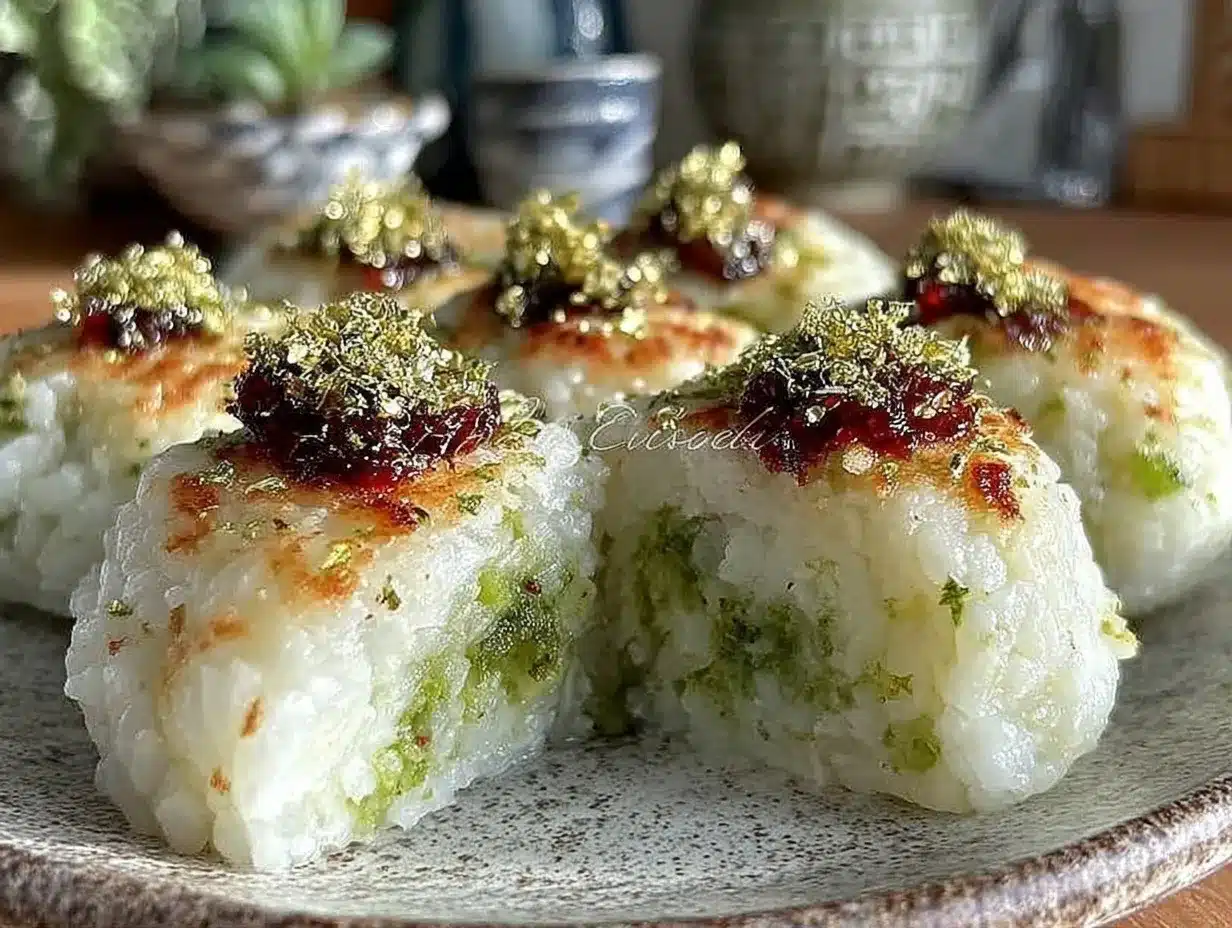
“You know, I never thought I’d find a rice cake that feels like a celebration on every single bite,” my friend Mina said as we sat at her kitchen table last spring. She had just pulled out a shimmering green and gold dessert that looked too elegant to eat — it was her homemade Korean tteok, crafted with matcha and adorned with delicate gold leaf. Honestly, I was skeptical at first because traditional tteok usually feels so simple, but this version? It was something else.
That afternoon, between the clinking of tea cups and the soft hum of a rainy day outside, Mina shared how this Perfect Korean Tteok Graduation Rice Cake with Matcha and Gold Leaf was her way of marking milestones—not just graduations, but any moment worth pausing for. The matcha gave it that earthy brightness, while the gold leaf whispered luxury without being flashy. I remember fumbling with the gold leaf myself (it’s so delicate it sticks to everything except the rice cake, go figure) and laughing at my mess.
If you’ve ever been invited to a Korean celebration or peeked into a Korean bakery, you might have seen tteok, but this recipe brings a fresh twist that feels both traditional and special. Maybe you’ve been there, staring at a fancy dessert wondering if you could make it yourself without a culinary degree or a million ingredients. Well, this recipe is my answer to that. It’s approachable, beautiful, and honestly, a little bit magical. Let me tell you why this tteok recipe has stuck with me and why you might want to keep it close for your own celebrations.
Why You’ll Love This Recipe
After countless tests in my kitchen (and a few near disasters involving sticky hands and runaway gold leaf), this Korean Tteok Graduation Rice Cake with Matcha and Gold Leaf has become a crowd favorite. I mean, you’re getting more than just a dessert — it’s a moment of tradition wrapped in freshness.
- Quick & Easy: Comes together in about 45 minutes, perfect for those last-minute celebrations or when you want something impressive without fuss.
- Simple Ingredients: Uses pantry staples like glutinous rice flour and matcha powder you can find at most grocery stores or Asian markets.
- Perfect for Graduations & Special Occasions: The gold leaf adds that wow factor without needing fancy decorations.
- Crowd-Pleaser: Kids and adults alike love the chewy texture combined with the subtle matcha flavor.
- Unbelievably Delicious: The balance of the subtle bitterness from matcha paired with the mild sweetness of the rice cake is next-level comfort food.
What makes this recipe stand out is the gentle folding of matcha into the dough, which keeps the texture soft but vibrant. Plus, the gold leaf isn’t just for show — it’s a nod to the celebratory spirit of Korean culture, making this rice cake feel truly special. It’s not just another dessert; it’s the kind of treat that makes you close your eyes after the first bite, savoring that perfect chewy and slightly sweet moment.
What Ingredients You Will Need
This Perfect Korean Tteok Graduation Rice Cake with Matcha and Gold Leaf uses simple, wholesome ingredients to deliver a chewy, flavorful treat that’s surprisingly easy to make at home. Most of these are pantry staples, and the matcha powder adds a lovely earthy note.
- Glutinous Rice Flour (1 ½ cups / 180g) – Look for a finely milled brand like Bob’s Red Mill for best texture.
- Matcha Powder (2 tablespoons) – Use ceremonial grade for vibrant color and flavor, but culinary grade works fine too.
- Sugar (½ cup / 100g) – Regular granulated sugar balances the earthiness of matcha.
- Water (1 cup / 240ml) – Warm water helps bind the dough smoothly.
- Salt (a pinch) – Enhances the subtle sweetness.
- Vegetable Oil (for greasing) – Prevents sticking during steaming.
- Edible Gold Leaf Sheets (a few sheets) – Optional but highly recommended for that stunning graduation look.
Substitution notes: If you want a gluten-free option, glutinous rice flour is naturally gluten-free, so you’re good there. For a dairy-free version, no worries—the recipe is already dairy-free! If you can’t find gold leaf, lightly dust with toasted sesame seeds for a different but still festive finish.
Equipment Needed
- Steamer Basket or Bamboo Steamer – Essential for steaming the rice cake evenly. If you don’t have one, a metal colander over a pot of boiling water works.
- Mixing Bowls – One large bowl for mixing the rice flour and matcha, and another for combining liquids.
- Spatula or Wooden Spoon – For stirring the dough gently.
- Square or Round Steaming Pan (about 8×8 inches / 20×20 cm) – To shape the cake. I’ve used ceramic and metal pans; both work but make sure to oil it well.
- Kitchen Towel – To cover the steamer lid and prevent condensation from dripping onto the cake.
Personally, I like bamboo steamers because they add a slight woody aroma and are easy to clean. Just remember to oil the steamer basket lightly to avoid sticking. If budget is tight, a simple metal colander balanced on a pot works just fine for steaming.
Preparation Method
- Mix Dry Ingredients: In a large mixing bowl, sift together 1 ½ cups (180g) glutinous rice flour, 2 tablespoons matcha powder, ½ cup (100g) sugar, and a pinch of salt. This helps prevent lumps and evenly distributes the matcha. (5 minutes)
- Add Water: Gradually pour in 1 cup (240ml) warm water while stirring gently with a spatula. The mixture should become a smooth, thick batter without lumps. If it feels too dry, add a tablespoon more water at a time. (5 minutes)
- Prepare the Steaming Pan: Lightly grease your steaming pan with vegetable oil to prevent sticking. Pour the batter into the pan, smoothing the surface with a spatula. (5 minutes)
- Steam the Cake: Place the pan into the steamer basket over boiling water. Cover the lid with a clean kitchen towel to catch condensation and steam for 25-30 minutes. You’ll know it’s done when the cake is firm and springs back when pressed lightly. (30 minutes)
- Cool and Slice: Remove the cake from the steamer and let it cool completely at room temperature. Once cooled, use a sharp knife lightly oiled to cut into bite-sized squares or rectangles. (15 minutes)
- Decorate with Gold Leaf: Carefully lay edible gold leaf sheets on top of each piece using tweezers or a dry brush. The gold leaf is incredibly delicate, so I recommend patience here! (10 minutes)
Pro tip: If you notice the top of the cake drying out during steaming, you can cover it loosely with parchment paper before covering with the kitchen towel. Also, avoid opening the steamer often to keep the temperature steady.
Cooking Tips & Techniques
Getting the perfect chewy texture for tteok can be a bit of a dance, but here are some tips that have saved me from many sticky situations.
- Use Warm Water: It helps the rice flour hydrate better, resulting in a smooth, pliable dough.
- Don’t Overmix: Stir just enough to combine. Overmixing can toughen the texture.
- Steaming Temperature: Keep the water boiling gently but not roaring. Too much steam pressure can cause the cake to crack.
- Prevent Condensation Drips: The kitchen towel on the lid is a game-changer. Without it, water droplets can make the surface soggy.
- Gold Leaf Handling: Use tweezers and avoid touching with fingers. I once lost half the gold leaf stuck to my sleeve – lesson learned!
Honestly, timing is everything. I sometimes multitask by prepping tea or setting the table during steaming, so the kitchen doesn’t get too crowded. If you want to see how the texture should feel, think firm but with a slight bounce back — not squishy or crumbly.
Variations & Adaptations
This recipe is versatile and can be adapted to suit various tastes and dietary needs.
- Flavor Twists: Swap matcha for ground black sesame or finely grated yuzu zest for a citrusy note.
- Sweetness Level: Adjust sugar to taste or replace with honey or agave syrup for a natural sweetener.
- Gluten-Free & Vegan: This recipe is naturally gluten-free and vegan, but you can try using coconut sugar for a different flavor profile.
- Cooking Method: Instead of steaming, try microwaving the batter in a greased dish for 3-4 minutes, checking firmness. It’s a quick shortcut but less traditional.
- Personal Touch: I once added a thin layer of sweet red bean paste in the middle before steaming — a treat that impressed guests at a small gathering.
Serving & Storage Suggestions
These rice cakes are best served at room temperature or slightly chilled, allowing the matcha flavor to really come through. Arrange them on a pretty platter, and the gold leaf will catch the light beautifully.
They pair wonderfully with a cup of green tea or a mild jasmine tea, creating a calming moment perfect for reflection or celebration.
To store, wrap the rice cakes tightly in plastic wrap and keep in an airtight container in the refrigerator for up to 3 days. For longer storage, freeze individual pieces separated by parchment paper, then thaw at room temperature before serving.
Reheating is simple — microwave for 10-15 seconds to soften slightly, but don’t overdo it or the texture can become tough. Interestingly, the flavors mellow and deepen after a day or two, so if you can wait, the taste improves!
Nutritional Information & Benefits
Each serving of this Perfect Korean Tteok Rice Cake is a modest source of carbohydrates, providing quick energy with minimal fat. The glutinous rice flour is naturally gluten-free, making it suitable for many dietary needs.
Matcha adds antioxidants, notably catechins, which have been linked to various health benefits including improved metabolism and calm alertness. The gold leaf, while luxurious, is edible and adds negligible calories.
This recipe contains no dairy or eggs, so it’s suitable for vegans and those with lactose intolerance. Just keep in mind the sugar content if you’re watching intake.
Conclusion
This Perfect Korean Tteok Graduation Rice Cake with Matcha and Gold Leaf combines tradition with a modern, elegant twist that’s surprisingly simple to create. Whether you’re marking a milestone or just craving something special, this recipe offers a chewy, subtly sweet treat that feels both familiar and festive.
Feel free to adjust the matcha intensity or experiment with flavors — it’s a recipe that welcomes your creativity. I keep coming back to this one because it’s not just dessert; it’s a little ritual that brings joy and a sense of occasion to my kitchen.
If you try it, I’d love to hear how it turns out or what variations you come up with — sharing these moments makes cooking all the more fun. Happy steaming!
FAQs
What is the difference between regular rice flour and glutinous rice flour?
Glutinous rice flour is made from sticky rice and gives tteok its chewy texture, whereas regular rice flour results in a crumblier texture. For this recipe, glutinous rice flour is essential.
Can I make this rice cake without matcha?
Yes! You can omit matcha for a plain rice cake or substitute it with flavors like black sesame or cinnamon for a different twist.
How do I store leftover Korean tteok rice cake?
Wrap leftovers tightly and store in the refrigerator for up to 3 days or freeze for up to a month. Thaw and microwave briefly before serving.
Is edible gold leaf safe to eat?
Absolutely! Edible gold leaf is made from pure gold or gold alloy safe for consumption and is often used in luxury desserts and dishes.
Can I use a microwave instead of steaming?
Yes, microwaving is a quick alternative. Cook the batter in a greased microwave-safe dish for 3-4 minutes, checking doneness, but steaming provides the best texture.
PrintPerfect Korean Tteok Rice Cake Recipe with Matcha and Gold Leaf

A chewy and subtly sweet Korean rice cake infused with earthy matcha and adorned with delicate edible gold leaf, perfect for celebrations and special occasions.
- Prep Time: 15 minutes
- Cook Time: 30 minutes
- Total Time: 45 minutes
- Yield: 8 servings 1x
- Category: Dessert
- Cuisine: Korean
Ingredients
- 1 ½ cups (180g) glutinous rice flour
- 2 tablespoons matcha powder
- ½ cup (100g) sugar
- 1 cup (240ml) warm water
- a pinch of salt
- vegetable oil (for greasing)
- edible gold leaf sheets (a few sheets, optional)
Instructions
- Mix dry ingredients: sift together glutinous rice flour, matcha powder, sugar, and salt in a large bowl (5 minutes).
- Gradually add warm water while stirring gently until smooth, thick batter forms without lumps (5 minutes).
- Lightly grease steaming pan with vegetable oil, pour batter in, and smooth surface (5 minutes).
- Steam the cake in a steamer basket over boiling water, cover lid with kitchen towel, steam for 25-30 minutes until firm and springs back when pressed (30 minutes).
- Remove cake and cool completely at room temperature, then cut into bite-sized squares or rectangles using a lightly oiled sharp knife (15 minutes).
- Carefully decorate each piece with edible gold leaf sheets using tweezers or a dry brush (10 minutes).
Notes
Use warm water to hydrate rice flour better. Avoid overmixing to keep texture soft. Cover steamer lid with kitchen towel to prevent condensation drips. Handle gold leaf with tweezers to avoid sticking. If top dries during steaming, cover loosely with parchment paper. Microwave option available but steaming yields best texture.
Nutrition
- Serving Size: 1 piece (approximate
- Calories: 130
- Sugar: 10
- Sodium: 10
- Fat: 0.2
- Carbohydrates: 32
- Fiber: 1
- Protein: 1
Keywords: Korean rice cake, tteok, matcha dessert, gold leaf dessert, steamed rice cake, gluten-free dessert, vegan dessert, celebration dessert