Love this? Save it for later!
Share the inspiration with your friends
It wasn’t even that bad of a squash. It was a decent size, orange, and looked promising on the counter. But I didn’t know what I was doing with the sugar content in the flesh. I cranked the oven to 450 degrees because I wanted it fast, and I watched the cubes turn from vibrant orange to black charcoal in about twelve minutes. Smoke alarm went off. My kitchen smelled like a campfire that had lost its friend. I stood there holding a spatula, covered in ash, wondering why roasted vegetables always felt like a gamble.
That was three years ago. Today, I have this recipe down to a science that actually works every single time. The secret isn’t high heat. It’s low and slow with a little help from cornstarch. You know how it goes—everyone tells you to roast veggies, but they don’t tell you about the steam trap or the oil ratio. Honestly, most people just toss them in and pray. I used to pray too. Now I just trust the process.
This crispy roasted butternut squash salad with feta is the result of that failure. It’s not just roasted squash. It’s caramelized edges, tender centers, and a crunch that actually stays crunchy until you toss it with the greens. I didn’t think squash could be a salad star. I thought it was just a soup ingredient or a pie filling. But once I tried it with tangy feta and a sharp vinaigrette, I realized I’d been sleeping on the best autumn ingredient there is. It’s simple, it’s forgiving, and it doesn’t require a smoke detector check.
I make this when the air turns crisp and I need something that feels like a hug but doesn’t weigh me down. It’s the kind of dish that sits well on the counter while you finish up other things, because unlike that first burnt disaster, this one is hard to mess up. You just chop, toss, roast, and assemble. No fancy techniques. No stress. Just good food that tastes like you spent hours on it, when really you just paid attention.
Why You’ll Love This Recipe
There is a specific magic that happens when butternut squash hits the oven, and it has nothing to do with complicated skills. It’s about texture contrast. You get that crispy exterior that shatters slightly when you bite into it, followed by the creamy, sweet interior. It’s the kind of dish that makes you close your eyes after the first bite because the balance is just right. This isn’t just another side dish; it’s a complete experience that brings together earthy, sweet, salty, and tangy notes in one bowl.
- Quick & Easy: Despite the roasting time, active prep is under 15 minutes. You can have this on the table in 45 minutes, which is perfect for busy weeknights when you want something better than takeout but don’t want to spend hours in the kitchen.
- Simple Ingredients: You likely already have most of this in your pantry. Butternut squash, olive oil, salt, pepper, and feta are staples. No fancy grocery trips needed for obscure spices or hard-to-find items.
- Perfect for Meal Prep: This salad holds up incredibly well in the fridge. The flavors actually meld and improve after a day or two, making it an ideal lunch option for the work week. It’s also great for potlucks because it travels well without getting soggy.
- Crowd-Pleaser: Even people who claim they “don’t like vegetables” usually love this. The sweetness of the squash masks any bitter greens, and the feta adds a savory punch that appeals to everyone.
- Unbelievably Delicious: The combination of crispy roasted squash and crumbled feta creates a next-level comfort food experience. It’s hearty enough to be a main course but light enough to feel refreshing.
What makes this recipe different is the cornstarch trick. Most people just roast squash in oil and get soft, mushy pieces. By tossing the cubes in a tiny bit of cornstarch before roasting, you create a microscopic crust that stays crisp even after being tossed with dressing. It’s a small detail that changes everything. I’ve tested this method dozens of times, and it’s the only way to get that restaurant-quality crunch at home. It’s not just good—it’s the kind of recipe that proves you don’t need meat to feel satisfied.
What Ingredients You Will Need
This recipe relies on the natural sweetness of the squash and the sharpness of the cheese to do the heavy lifting. You don’t need a long list of spices because the quality of the main ingredients speaks for itself. Using simple, wholesome ingredients allows the natural flavors to shine without being masked by unnecessary additives. Most of these items are pantry staples or common produce found in any grocery store.
- Butternut Squash (2 medium, peeled and cubed): Look for squash that feels heavy for its size with a matte, tan skin. Avoid ones with soft spots or cracks. Peeled and cut into 1-inch cubes ensures even cooking. (Removes the hassle of peeling later)
- Extra Virgin Olive Oil (3 tablespoons): Use a good quality oil with a fruity note. It coats the squash and helps the cornstarch adhere. (Adds richness and helps browning)
- Cornstarch (1 tablespoon): This is the secret weapon. It absorbs surface moisture and creates a crispy exterior during roasting. (Essential for crunch)
- Feta Cheese (1 cup, crumbled): I recommend using a block and crumbling it yourself rather than buying pre-crumbled. Pre-crumbled often contains anti-caking agents that make it dry. (Adds tang and saltiness)
- Mixed Greens (4 cups): Arugula or spinach works best. Arugula adds a peppery bite that cuts through the sweetness, while spinach is milder and kid-friendly. (Provides the salad base)
- Balsamic Vinegar (2 tablespoons): A good quality balsamic adds acidity and depth. Look for one that isn’t too syrupy unless you want a sweeter dressing. (Adds tang and brightness)
- Honey (1 teaspoon): Just a touch to balance the acidity of the vinegar and the saltiness of the feta. (Balances flavors)
- Garlic (1 clove, minced): Fresh garlic is non-negotiable here. It adds a savory backbone to the dressing. (Adds savory depth)
- Salt and Black Pepper (to taste): Use kosher salt for better control. Freshly cracked pepper adds warmth. (Seasoning)
- Pumpkin Seeds (2 tablespoons, optional): For extra crunch and nuttiness. Toasting them beforehand enhances the flavor. (Adds texture)
If you can’t find fresh butternut squash, you can use pre-cubed frozen squash, but you’ll need to thaw and pat it very dry first, or the cornstarch won’t work properly. For a dairy-free option, swap the feta for a vegan feta made from tofu or almonds. The structure of the salad remains the same, and the flavor profile stays satisfying.
Equipment Needed
You don’t need a fancy kitchen to make this. The main tool you’ll use is a baking sheet. I prefer a rimmed half-sheet pan because it gives the squash enough space to roast instead of steam. If you crowd the pan, the squash will boil in its own juices, and you’ll lose that crispy texture we’re aiming for. A large mixing bowl is also essential for tossing the squash with oil and cornstarch evenly.
A sharp chef’s knife is helpful for peeling and cubing the squash, but if your knife isn’t up to the task, a sturdy vegetable peeler works for removing the skin. Just be careful with the rounded bottom. A microplane or fine grater is useful if you want to grate the garlic into the dressing for a smoother emulsion, though mincing it finely works too. Finally, a whisk or a small jar with a lid is needed to shake up the vinaigrette. I usually just use a fork, but a whisk makes the emulsion faster.
If you don’t have a rimmed baking sheet, a large roasting pan works, but you might need to use two pans to avoid overcrowding. Avoid using non-stick pans if they are scratched, as the cornstarch can stick to damaged surfaces. A well-seasoned cast iron skillet can also work if you are roasting in batches, but a sheet pan is more efficient. Keep your tools simple and clean for the best results.
Preparation Method
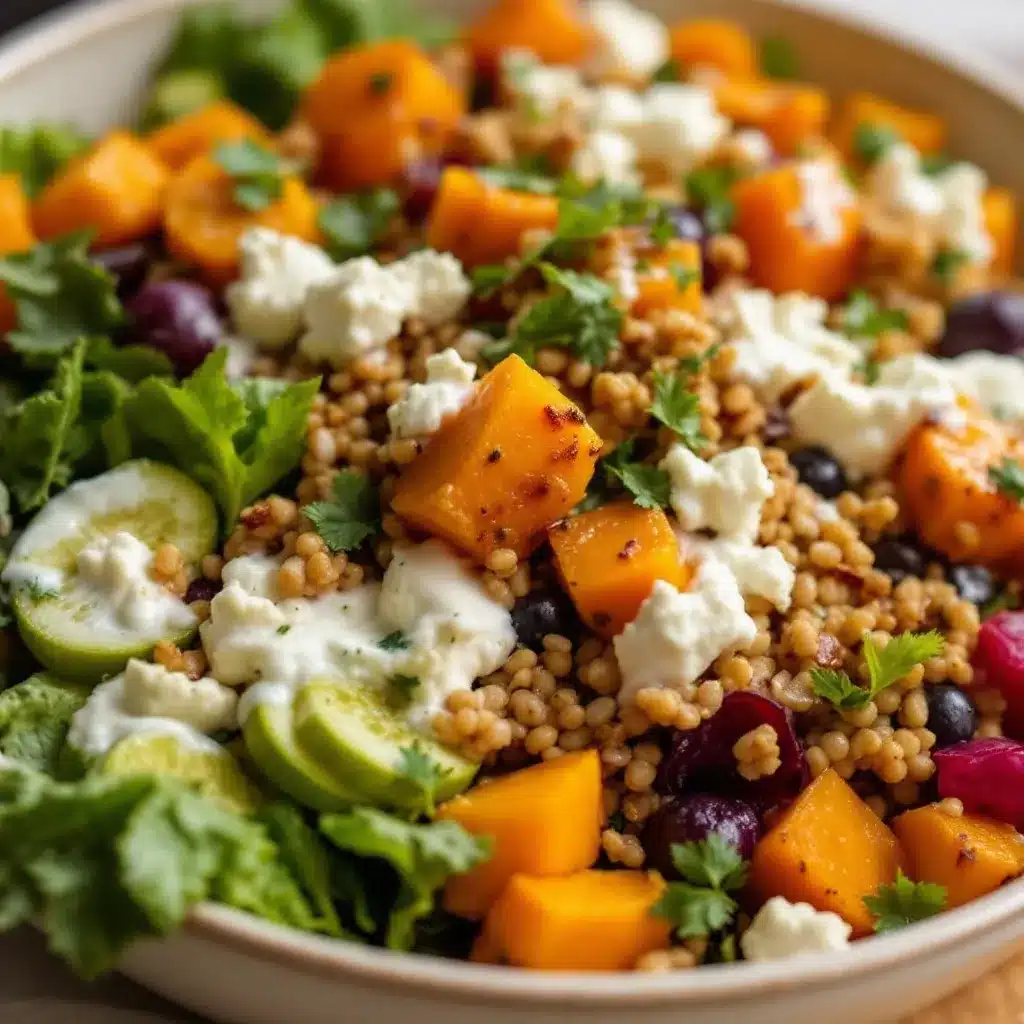
Start by preheating your oven to 400°F (200°C). This temperature is lower than most roast recipes call for, and that’s intentional. It allows the inside to cook through without burning the outside. While the oven heats, prepare your workspace. Line a large baking sheet with parchment paper for easy cleanup, though a lightly oiled pan works too.
Step 1: Prep the Squash (10 minutes). Peel the butternut squash using a sturdy vegetable peeler. Cut off the top and bottom, then slice it in half lengthwise. Scoop out the seeds with a spoon. Cut the flesh into 1-inch cubes. Try to keep them uniform so they cook evenly. Place the cubes in a large bowl.
Step 2: The Cornstarch Toss (2 minutes). Sprinkle the cornstarch over the squash cubes. Drizzle with olive oil and sprinkle with salt and pepper. Toss everything together with your hands until every cube is lightly coated. The cornstarch should disappear into a thin layer on the surface. This is the most critical step for crispiness.
Step 3: Roast (35-40 minutes). Spread the squash in a single layer on the baking sheet. Do not overlap the pieces. If they touch, they will steam. Roast in the preheated oven for 35-40 minutes, flipping halfway through. You want them tender inside and browned/crispy on the edges. Use a fork to test for doneness; it should slide in easily.
Step 4: Make the Dressing (2 minutes). While the squash roasts, whisk together the balsamic vinegar, honey, minced garlic, and a pinch of salt and pepper in a small bowl. Taste and adjust. You want it tart but balanced. If it’s too sharp, add a tiny drop more honey.
Step 5: Assemble the Salad (5 minutes). In a large serving bowl, toss the mixed greens with half the dressing. Arrange the greens on a platter or in individual bowls. Top with the warm roasted squash. Crumble the feta cheese generously over the top. Drizzle with the remaining dressing. Garnish with pumpkin seeds if using. Serve immediately while the squash is still warm and crisp.
If the squash cools down before serving, it will lose some crunch. That’s why assembly is the final step. Don’t dress the greens until you’re ready to eat. Wet greens get sad and wilted quickly. Keep the components separate until the last moment for the best texture.
How do I prevent the squash from sticking to the pan?
Using parchment paper is the easiest way. Alternatively, ensure your baking sheet is clean and lightly oiled. The cornstarch helps, but a non-stick surface guarantees no sticking.
Can I make this ahead of time?
You can roast the squash up to 2 days in advance. Store it in an airtight container in the fridge. Reheat it in the oven or air fryer for 5 minutes to restore crispiness before assembling the salad. Do not store the dressed salad.
Cooking Tips & Techniques
The biggest mistake people make with roasted vegetables is overcrowding the pan. When pieces are touching, moisture gets trapped between them. That moisture turns to steam, and steam makes things soggy. If you have a small oven or a small pan, roast in two batches. It takes longer, but the result is worth it. You want dry heat surrounding each cube.
Another tip is to pat the squash dry after cutting. Butternut squash has a high water content. If it’s wet when you toss it in oil and cornstarch, the starch will clump instead of coating evenly. A quick pat with a paper towel makes a huge difference in the final texture. I learned this the hard way after a batch of clumpy, unevenly roasted squash ended up in the compost.
Flipping halfway is non-negotiable. The oven has hot spots, and flipping ensures even browning. Also, don’t be afraid of the edges. You want some char on the corners of the squash cubes. That caramelization adds a smoky sweetness that balances the tangy feta. If you prefer less char, reduce the time by 5 minutes, but you’ll sacrifice some flavor depth.
When making the dressing, let the garlic sit in the vinegar for a minute before adding the oil or honey. This softens the raw garlic bite and infuses the vinegar with flavor. It’s a small pro tip that makes the dressing taste more integrated and less like separate ingredients thrown together.
Variations & Adaptations
This recipe is a canvas for your preferences. You can change the cheese, the greens, or the add-ins to suit your diet or mood. Here are a few variations I’ve tried that work well.
- Dairy-Free Option: Swap the feta for a dairy-free alternative or omit it entirely. Add toasted walnuts or pecans for the salty crunch that cheese usually provides. The sweetness of the squash still shines without the dairy.
- Protein Boost: Add grilled chicken breast, chickpeas, or quinoa to make it a heartier meal. Roasted chickpeas tossed in the same spices as the squash add a great crunch. I often add leftover rotisserie chicken for a quick weeknight dinner.
- Spicy Twist: Add a pinch of red pepper flakes to the dressing or sprinkle crushed red pepper on the squash before roasting. The heat contrasts beautifully with the sweet squash and creamy feta.
- Seasonal Swap: In the spring, you can swap the squash for roasted asparagus or zucchini, though the cooking time will be much shorter. In the winter, try roasted sweet potatoes with a similar method.
For a gluten-free version, this recipe is naturally gluten-free. Just ensure your cornstarch and feta are certified gluten-free if you have celiac disease. Most brands are, but it’s always good to check labels. This adaptability is why I keep coming back to this base recipe. It’s flexible enough to fit any dietary need.
Serving & Storage Suggestions
This salad is best served warm, with the squash still holding its heat against the cool greens. It’s a perfect side dish for grilled meats, roasted chickens, or fish. It also pairs well with a glass of crisp white wine or a sparkling water with lemon. For presentation, arrange the squash in a mound over the greens rather than tossing it all together. This keeps the greens crisp and the squash visible.
Store leftovers in an airtight container in the refrigerator for up to 3 days. The roasted squash holds up better than the greens, so if you have extra dressing, store it separately. To reheat, use an air fryer or oven at 350°F for 5-7 minutes. Microwave reheating will make the squash soft and the feta rubbery, so avoid it if you want to preserve texture.
Flavors develop over time, so the salad tastes even better on day two. The squash absorbs the dressing slightly, becoming more flavorful. However, the greens will wilt, so if you meal prep, keep the greens separate until you’re ready to eat. This salad is also great for picnics or potlucks because it doesn’t require reheating and tastes good at room temperature.
Nutritional Information & Benefits
Butternut squash is packed with vitamins A and C, which are great for immune health and skin health. It’s also high in fiber, which aids digestion and keeps you feeling full. Feta cheese provides calcium and protein, though it is high in sodium, so use it in moderation if you’re watching your salt intake. The olive oil in the dressing offers healthy monounsaturated fats, which are good for heart health. Overall, this salad is a nutrient-dense option that balances macros well. It’s gluten-free and can be made vegan, making it accessible for many dietary preferences. I love this recipe because it feels indulgent but is actually quite wholesome.
Conclusion
This crispy roasted butternut squash salad with feta is more than just a recipe; it’s a lesson in patience and technique. It proves that simple ingredients, when treated with care, can create something extraordinary. I hope you try it and find your own favorite variations. Customize it with your favorite nuts, seeds, or greens. Make it your own. I’d love to hear how you adapt it in the comments below. Share your tips or ask questions. Let’s keep cooking together. Enjoy every bite.
FAQs
Can I use frozen butternut squash?
Yes, but you must thaw it completely and pat it very dry with paper towels. Excess moisture will prevent the cornstarch from creating a crispy crust. Fresh is preferred, but frozen works in a pinch.
What is the best way to peel butternut squash?
Use a sturdy vegetable peeler for the top part. For the bottom bulb, cut it in half first, then peel the halves. If the squash is very hard, microwave it for 1-2 minutes to soften the skin slightly before peeling.
Why is my squash not crispy?
Most likely, the pan was overcrowded, causing steaming instead of roasting. Make sure there is space between each cube. Also, ensure you are using cornstarch and not flour, as cornstarch creates a crispier exterior.
Can I make the dressing ahead of time?
Yes, the vinaigrette can be made up to a week in advance. Store it in a jar in the fridge. Shake well before using, as the ingredients may separate.
How do I store leftovers?
Store the roasted squash and the dressed greens in separate airtight containers in the refrigerator. Reheat the squash in the oven or air fryer to restore crispiness before serving.
Pin This Recipe!
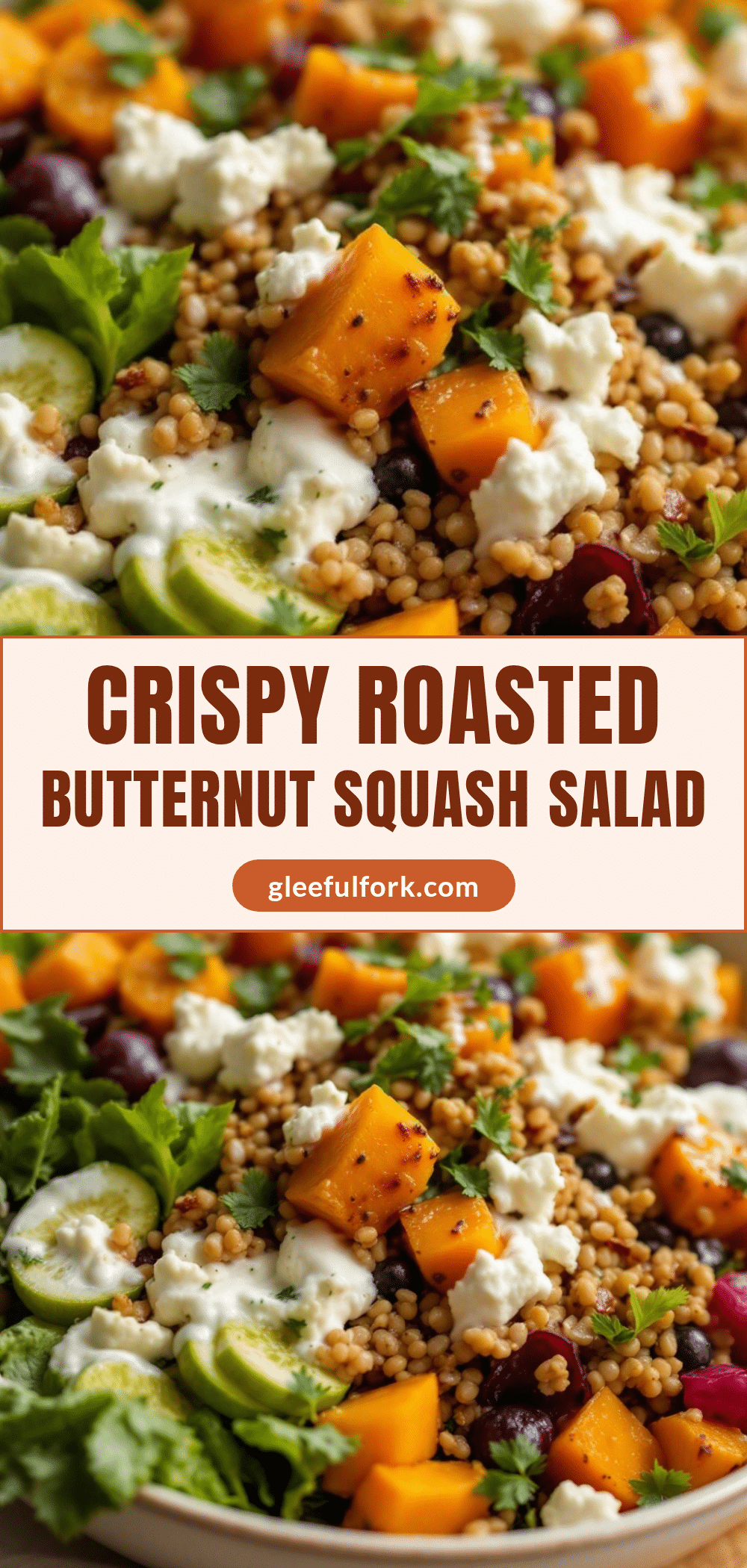
Crispy Roasted Butternut Squash Salad: Easy 5-Ingredient Feta Recipe
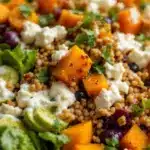
A simple yet sophisticated salad featuring caramelized, crispy roasted butternut squash tossed with mixed greens, tangy feta cheese, and a sharp balsamic vinaigrette. The secret to the perfect texture is a light coating of cornstarch before roasting.
- Prep Time: 15 minutes
- Cook Time: 40 minutes
- Total Time: 55 minutes
- Yield: 4 servings 1x
- Category: Salad
- Cuisine: American
Ingredients
- 2 medium butternut squash, peeled and cut into 1-inch cubes
- 3 tablespoons extra virgin olive oil
- 1 tablespoon cornstarch
- Salt and black pepper to taste
- 4 cups mixed greens (arugula or spinach)
- 1 cup feta cheese, crumbled
- 2 tablespoons balsamic vinegar
- 1 teaspoon honey
- 1 clove garlic, minced
- 2 tablespoons pumpkin seeds, optional and toasted
Instructions
- Preheat oven to 400°F (200°C). Line a large rimmed baking sheet with parchment paper.
- Place the cubed butternut squash in a large bowl.
- Sprinkle cornstarch over the squash, then drizzle with olive oil and season with salt and pepper. Toss with hands until every cube is lightly coated.
- Spread the squash in a single layer on the baking sheet, ensuring pieces do not overlap.
- Roast for 35-40 minutes, flipping halfway through, until tender inside and browned/crispy on the edges.
- While squash roasts, whisk together balsamic vinegar, honey, minced garlic, and a pinch of salt and pepper in a small bowl to make the dressing.
- In a large serving bowl, toss mixed greens with half of the dressing.
- Arrange dressed greens on a platter or in bowls.
- Top with warm roasted squash and crumbled feta cheese.
- Drizzle with remaining dressing and garnish with pumpkin seeds if using. Serve immediately.
Notes
Do not overcrowd the baking sheet, as this causes steaming instead of roasting, resulting in soggy squash. Pat the squash dry before tossing with cornstarch for best crispiness. For meal prep, store roasted squash and dressed greens separately to maintain texture. Reheat squash in an oven or air fryer to restore crunch.
Nutrition
- Serving Size: 1 bowl
- Calories: 320
- Sugar: 12
- Sodium: 450
- Fat: 18
- Saturated Fat: 6
- Carbohydrates: 35
- Fiber: 6
- Protein: 10
Keywords: butternut squash salad, roasted squash, feta salad, healthy dinner, gluten-free, vegetarian, meal prep, crispy vegetables, balsamic vinaigrette