Love this? Save it for later!
Share the inspiration with your friends
For a while, I just accepted that macaroni and cheese wasn’t going to taste like autumn in a bowl. You know how it is. You want that deep, earthy sweetness of roasted vegetables, but you also need the heavy, salty comfort of a good cheese sauce. The two rarely meet in the same pot. Usually, you end up with either a bland vegetable mash or a cheese dish that feels like it’s weighing you down before you’ve even finished the first bite.
I had been looking for a way to bridge that gap without using heavy cream or flour rouxes that sat at the bottom of the pan. Honestly, I didn’t want to compromise on the creamy texture either. Most “healthier” versions I tried were grainy or lacked the rich mouthfeel that makes comfort food actually comforting. Let’s face it, if it doesn’t coat the spoon properly, it’s just hot pasta with some seasoning sprinkled on top.
The turning point wasn’t a grand revelation. It was just a Tuesday evening, and I had a butternut squash sitting on the counter that was getting too heavy to ignore. I roasted it with a few sprigs of sage, and the aroma changed the whole kitchen. That’s when I realized the squash wasn’t just a side dish; it was the base for the sauce itself. Blending it with the cheese created something that felt familiar yet entirely new. It’s the kind of dish that feels like a hug, but lighter.
Now, whenever October rolls around and the air turns crisp, this is the first thing I think of making. It’s not about being fancy. It’s about taking what’s available and making it work until it tastes right. And honestly, it does.
Why You’ll Love This Creamy Butternut Squash Mac & Cheese
This recipe isn’t just another twist on a classic. It’s the result of trying to make mac and cheese that feels substantial without feeling heavy. Here is why this version sticks to the rotation:
- Quick & Easy: If you buy pre-cut squash or use a microwave to soften it quickly, this comes together in under 30 minutes. Perfect for busy weeknights when you want something better than takeout but don’t have hours to spend.
- Simple Ingredients: No fancy grocery trips needed. You likely already have the squash, pasta, and cheese in your kitchen or local store. It relies on pantry staples to deliver bold flavor.
- Perfect for Fall Entertaining: Great for potlucks or cozy dinners. It looks elegant on the table, especially with the crispy sage garnish, but it’s sturdy enough to travel well.
- Crowd-Pleaser: Always gets rave reviews from kids and adults alike. The sweetness of the squash masks the bitterness sometimes found in green vegetables, while the cheese satisfies the carb craving.
- Unbelievably Delicious: The texture is silky smooth. The sage adds a peppery, herbal note that cuts through the richness, creating a balance that feels next-level.
What makes this different from the rest is the method. Instead of adding pureed squash as a mix-in, we blend it directly into the cheese sauce. This ensures every single noodle is coated in that orange-hued creaminess. It’s not just another version—it’s your best version because it solves the problem of separation. The sauce stays together.
It’s the kind of dish that makes you close your eyes after the first bite. It’s comfort food reimagined—healthier, faster, but with the same soul-soothing satisfaction. I often serve this alongside crispy bacon-wrapped asparagus for a complete meal that feels seasonal and intentional.
What Ingredients You Will Need
This recipe uses simple, wholesome ingredients to deliver bold flavor and satisfying texture without the fuss. The key is quality cheese and ripe squash.
- Butternut Squash: About 4 cups of cubed, peeled squash. Look for one that feels heavy for its size. (Adds natural sweetness and creaminess).
- Elbow Macaroni: 1 pound of dried pasta. Short shapes hold the thick sauce better. (Gluten-free pasta works too, but may need more liquid).
- Sharp Cheddar Cheese: 2 cups, freshly grated. I recommend Horizon Organic or a local deli block. Pre-shredded cheese contains anti-caking agents that can make the sauce grainy.
- Fontina Cheese: 1 cup, shredded. This melts beautifully and adds a nutty depth. (Use dairy-free shreds if needed).
- Unsalted Butter: 3 tablespoons. Used for sautéing the aromatics and enriching the sauce.
- All-Purpose Flour: 3 tablespoons. Helps thicken the sauce into a proper béchamel base.
- Whole Milk: 2 cups, room temperature. Adds creaminess without the heaviness of heavy cream.
- Fresh Sage Leaves: 1/2 cup, large leaves. Essential for the garnish and flavor profile.
- Garlic: 2 cloves, minced. Adds a savory backbone to the sweet squash.
- Nutmeg: 1/4 teaspoon, freshly grated. A pinch goes a long way in cheese sauces.
- Salt and Black Pepper: To taste. Adjust based on the saltiness of your cheese.
For the best texture, avoid pre-packaged squash cubes if you can help it. They often cook unevenly. If you do use them, check for soft spots. In summer, you might swap the squash for roasted sweet potato, but the flavor profile shifts slightly.
Equipment Needed
You don’t need a fancy kitchen to pull this off. Here is what you’ll need:
- Large Saucepan: For boiling the pasta. A 6-quart pot is ideal.
- Medium Saucepan or Skillet: For roasting the squash and making the cheese sauce. A heavy-bottomed pan prevents scorching.
- Immersion Blender or Standard Blender: An immersion blender is easier for pureeing hot squash directly in the pot. If using a standard blender, let the squash cool slightly and blend in batches.
- Baking Sheet: For roasting the squash cubes. Line it with parchment paper for easy cleanup.
- Small Skillet: For crisping the sage leaves in butter. A non-stick pan works well here.
- Grater: A box grater is best for shredding your own cheese blocks.
If you don’t have an immersion blender, a food processor works too, but you might need to add a splash of milk to help it spin. Budget-friendly option: Use a fork to mash the roasted squash if you’re in a hurry, though the texture won’t be as silky.
Preparation Method
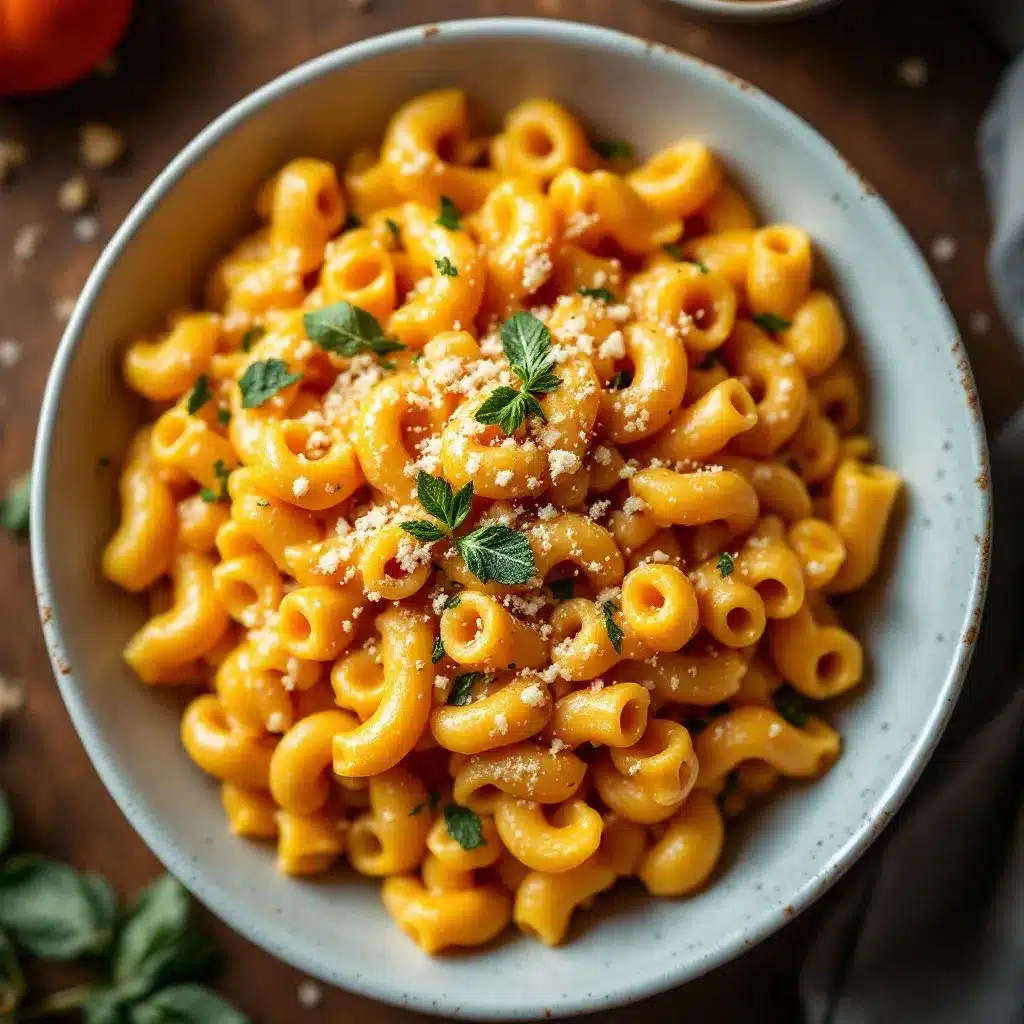
Follow these steps to get that perfect creamy consistency.
- Roast the Squash (15-20 mins): Preheat your oven to 400°F (200°C). Peel and cube the butternut squash into 1-inch pieces. Toss them on a baking sheet with a little olive oil, salt, and pepper. Roast until tender when pierced with a fork. Let them cool slightly. This step concentrates the flavor.
- Boil the Pasta (10 mins): Bring a large pot of salted water to a boil. Add the elbow macaroni and cook according to package directions until al dente. Reserve 1 cup of pasta water before draining. Drain the pasta and set aside.
- Puree the Squash: Transfer the roasted squash to a blender or use an immersion blender directly in the pot. Add a splash of milk if needed to help it blend. Puree until completely smooth. You should have about 2 cups of puree. If it’s too thick, add more milk.
- Make the Roux (5 mins): In a medium saucepan over medium heat, melt the butter. Whisk in the flour and cook for 1-2 minutes, stirring constantly, until it turns a light golden color. This cooks out the raw flour taste.
- Add Milk and Squash (10 mins): Slowly pour in the milk while whisking continuously to prevent lumps. Add the squash puree and minced garlic. Whisk until the mixture thickens and simmers gently. This should take about 5-7 minutes. The sauce should coat the back of a spoon.
- Melt the Cheese (3 mins): Remove the pan from heat. This is crucial. If the pan is too hot, the cheese will break and become oily. Stir in the cheddar and fontina cheese gradually, allowing each handful to melt before adding more. Season with nutmeg, salt, and pepper.
- Combine and Crisp Sage (5 mins): Toss the drained pasta into the cheese sauce until fully coated. In a small skillet, melt 1 tablespoon of butter and fry the sage leaves for 30 seconds until crisp. Drain on a paper towel.
- Serve: Plate the mac and cheese immediately. Top with the crispy sage leaves. Add a splash of reserved pasta water if the sauce looks too thick.
If the sauce breaks, don’t panic. Add a spoonful of cold milk and whisk vigorously. It usually comes back together.
Cooking Tips & Techniques
Getting the sauce right is the hardest part. Here is how to avoid common mistakes.
- Don’t Skip the Roux: The butter and flour mixture is the foundation. If you skip it, you’ll have a soupy mess. Cook the roux until it smells nutty.
- Grate Your Own Cheese: This is the biggest secret. Pre-shredded cheese has cellulose, which prevents smooth melting. Freshly grated cheese melts evenly.
- Remove from Heat: Always add cheese off the heat. High heat causes proteins to tighten and squeeze out fat, resulting in a greasy sauce.
- Reserve Pasta Water: The starch in the water helps emulsify the sauce. If it looks dry, add a little water, a tablespoon at a time.
- Crisp the Sage Correctly: Sage leaves can burn quickly. Keep the heat medium-low and watch them closely. They are done when they stop sizzling and look dark green and crisp.
I once tried to skip roasting the squash and just boiled it. The flavor was watery and bland. Roasting caramelizes the natural sugars, which balances the sharp cheddar. It’s worth the extra ten minutes.
Variations & Adaptations
This recipe is flexible. Here are a few ways to make it your own.
- Gluten-Free: Use gluten-free elbow pasta and check that your cheese and broth are certified gluten-free. The sauce itself is naturally gluten-free if you use a gluten-free thickener like cornstarch instead of flour.
- Dairy-Free: Swap butter for olive oil or vegan butter. Use nutritional yeast and a dairy-free cream cheese base for the sauce. Vegan cheddar shreds can work, but they often melt differently, so add slowly.
- Spicy Kick: Add a pinch of cayenne pepper or red pepper flakes to the roux. This contrasts nicely with the sweet squash.
- Protein Boost: Stir in cooked bacon bits or crispy chickpeas for extra texture. I often add a side of crispy loaded twice-baked potato casserole for a double-carb feast, but adding bacon to the mac is a classic move.
- Vegetable Add-Ins: Stir in sautéed spinach or kale at the end. The greens wilt quickly and add color.
I’ve also tried using sweet potato instead of butternut squash. It’s slightly less earthy and more sugary, but still delicious.
Serving & Storage Suggestions
Serve this dish hot, straight from the pot. It’s best enjoyed immediately while the sage is still crisp. Pair it with a simple green salad or fresh zesty zucchini ribbon salad to cut through the richness.
If you have leftovers, store them in an airtight container in the refrigerator for up to 4 days. The pasta will absorb the sauce, so it may look dry. Reheat gently in a saucepan with a splash of milk or water, stirring often. You can also reheat it in the microwave, covering it to trap steam.
Freezing is possible but not recommended for the best texture. The pasta may become mushy upon thawing. If you must freeze, freeze the sauce separately from the pasta. Reheat the sauce, cook fresh pasta, and combine. The flavors develop over time, becoming slightly richer after a day in the fridge.
Nutritional Information & Benefits
This dish is nutritionally denser than traditional mac and cheese. Butternut squash is packed with Vitamin A, which supports eye health and immune function. It also provides fiber and Vitamin C. The cheese adds protein and calcium.
- Calories: Approximately 450 per serving.
- Protein: 18g from the cheese and pasta.
- Fiber: 6g from the squash and whole wheat pasta option.
- Allergens: Contains dairy and gluten (unless modified).
I try to balance rich meals with lighter sides to keep things digestible. This version feels indulgent but leaves you feeling satisfied rather than sluggish.
Conclusion
This creamy butternut squash mac and cheese is worth the effort. It transforms a simple comfort food into something seasonal and special. The combination of sweet squash, sharp cheese, and crispy sage is hard to beat.
I love this recipe because it feels like a warm blanket on a cold day. It’s perfect for sharing with family or friends. Customize it with your favorite cheeses or spices. Make it your own.
If you try this recipe, please leave a comment below. I’d love to hear how it turned out for you. Share your variations or tips. And if you enjoyed this, check out my creamy white peach sorbet for a lighter dessert option. Happy cooking!
FAQs
Can I use fresh butternut squash instead of pre-cut?
Yes, but it takes more time. You’ll need to peel the tough skin, remove the seeds, and cube it. Pre-cut is fine if you’re in a rush, just check for quality.
Why is my cheese sauce grainy?
This usually happens if the cheese is added while the pan is still on high heat. Remove the pan from the heat before adding the cheese, and stir slowly until melted.
Can I make this ahead of time?
You can prepare the squash and sauce ahead of time. Reheat the sauce gently, then toss with freshly cooked pasta. The pasta does not store well in the sauce for more than a few hours.
What cheese is best for this recipe?
A mix of sharp cheddar for flavor and Fontina or Gruyère for meltability works best. Avoid pre-shredded cheese for the smoothest texture.
Is this recipe gluten-free?
Not by default, but you can easily make it gluten-free by using gluten-free pasta and ensuring your thickeners and cheeses are certified gluten-free.
Pin This Recipe!

Creamy Butternut Squash Mac & Cheese

A comforting, autumn-inspired mac and cheese that uses roasted butternut squash puree as the base for a silky, creamy cheese sauce, eliminating the need for heavy cream or flour rouxes that separate.
- Prep Time: 15 minutes
- Cook Time: 30 minutes
- Total Time: 45 minutes
- Yield: 4 servings 1x
- Category: Side Dish
- Cuisine: American
Ingredients
- 4 cups cubed, peeled butternut squash
- 1 pound elbow macaroni
- 2 cups freshly grated sharp cheddar cheese
- 1 cup shredded fontina cheese
- 3 tablespoons unsalted butter
- 3 tablespoons all-purpose flour
- 2 cups whole milk, room temperature
- 1/2 cup fresh sage leaves
- 2 cloves garlic, minced
- 1/4 teaspoon freshly grated nutmeg
- Salt and black pepper to taste
- Olive oil for roasting squash
Instructions
- Preheat oven to 400°F (200°C). Peel and cube the butternut squash into 1-inch pieces. Toss with olive oil, salt, and pepper on a baking sheet. Roast for 15-20 minutes until tender. Let cool slightly.
- Bring a large pot of salted water to a boil. Cook elbow macaroni according to package directions until al dente. Reserve 1 cup of pasta water, then drain pasta.
- Transfer roasted squash to a blender or use an immersion blender in the pot. Puree until smooth, adding a splash of milk if needed to reach about 2 cups of puree.
- In a medium saucepan over medium heat, melt 3 tablespoons of butter. Whisk in flour and cook for 1-2 minutes until light golden to make a roux.
- Slowly pour in milk while whisking continuously to prevent lumps. Add squash puree and minced garlic. Whisk until the mixture thickens and simmers gently for 5-7 minutes.
- Remove the pan from heat. Stir in cheddar and fontina cheese gradually, allowing each handful to melt before adding more. Season with nutmeg, salt, and pepper.
- Toss the drained pasta into the cheese sauce until fully coated.
- In a small skillet, melt 1 tablespoon of butter and fry sage leaves for 30 seconds until crisp. Drain on paper towels.
- Serve immediately, topped with crispy sage leaves. Add reserved pasta water if the sauce is too thick.
Notes
For the best texture, grate your own cheese as pre-shredded cheese contains anti-caking agents that can make the sauce grainy. Always add cheese off the heat to prevent breaking. If the sauce breaks, whisk in a spoonful of cold milk. Roasting the squash concentrates flavor and balances the sharp cheddar.
Nutrition
- Serving Size: 1 serving
- Calories: 450
- Sugar: 8
- Sodium: 600
- Fat: 22
- Saturated Fat: 12
- Carbohydrates: 48
- Fiber: 6
- Protein: 18
Keywords: butternut squash mac and cheese, creamy mac and cheese, fall recipes, vegetarian side dish, comfort food, easy mac and cheese, sage mac and cheese